
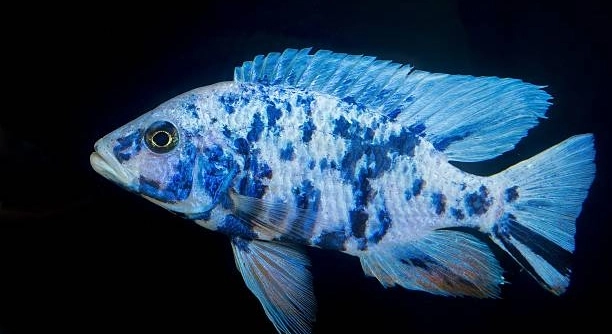
African cichlids are popular aquarium fish known for their bright colors and active behavior. Many fish owners observe their interactions and wonder about the emotions behind their actions. Understanding their behavior helps create a better environment for these lively creatures.
African cichlids do not experience jealousy as humans do, but they show territorial and competitive behaviors that can appear similar. These behaviors are instinctual responses to protect resources like space, mates, and food rather than emotional jealousy.
Exploring these behaviors will help you understand how cichlids interact and what influences their social dynamics in an aquarium setting.
Understanding Cichlid Territorial Behavior
African cichlids are naturally territorial fish. In the wild, they defend specific areas to secure food, breeding sites, and shelter. This territorial instinct carries over into aquariums. When you see a cichlid chasing or nipping at others, it’s usually about protecting its space. Males are often more aggressive during breeding times as they guard their nests. These behaviors are not about jealousy but about survival and reproduction. It helps them maintain order in their environment. Tank size and the number of hiding spots can influence how much territorial behavior you see. If the space is too small or lacks structure, fights and stress can increase. Providing plenty of rocks, caves, and plants can reduce aggressive encounters. Observing how cichlids claim their territory gives insight into their needs and helps you create a better habitat for them.
Territorial behavior is a normal part of African cichlid life and not a sign of jealousy or complex emotions.
Knowing this helps you manage tank mates and design aquariums that minimize conflict and support healthy fish interactions.
Signs That Look Like Jealousy in Cichlids
Cichlids sometimes act possessively toward mates or chosen hiding spots, which might look like jealousy. For example, a male may chase away other males from his female or guard a favored area closely. These actions are instinctive and related to breeding and survival rather than emotional jealousy. In captivity, limited space and fewer choices for the fish can make these behaviors more obvious. This can lead to repeated chasing or aggression toward specific tank mates. Stress and overcrowding may worsen these actions. Recognizing these patterns lets you address the root cause by adjusting tank conditions, such as adding more space or rearranging decorations. Understanding cichlid behavior like this ensures a calmer, healthier aquarium environment for your fish.
How to Manage Aggression in African Cichlids
Aggression is common in African cichlids but can be managed with the right tank setup. Providing enough space and hiding spots helps reduce fights. Keeping the fish well-fed also lowers stress and aggressive behavior.
Tank size plays a big role in managing aggression. A larger tank gives cichlids room to establish their own territories without constant conflict. Rocks, caves, and plants create natural barriers and hiding places, giving fish a chance to escape if needed. Overstocking can increase aggression, so maintaining an appropriate number of fish for the tank size is important. Feeding regularly with balanced food keeps them healthy and less likely to compete aggressively over resources. Careful observation helps catch signs of bullying early, so adjustments can be made quickly.
Another effective method is to keep cichlids in groups with mixed sexes or similar sizes to balance dominance. Rearranging tank decorations occasionally can also disrupt established territories and lower tension among fish.
The Role of Environment in Cichlid Behavior
The environment greatly influences how African cichlids behave. A well-structured tank mimics their natural habitat and promotes calmer interactions. Rocks and caves give them places to hide and claim as territory, reducing stress and fights. Water quality also matters; poor conditions can make fish more irritable and aggressive. Maintaining stable temperature, pH, and cleanliness helps keep behavior balanced.
Lighting and tank decorations affect mood as well. Too much light or an empty tank can cause anxiety and increase aggression. Adding plants or dimmer lighting can create a more relaxed atmosphere. Regular tank maintenance is necessary to prevent buildup of waste that impacts water quality. Adjusting the environment thoughtfully supports your cichlids’ well-being and can lead to a more peaceful aquarium community.
Recognizing Stress in African Cichlids
Stress in African cichlids shows through changes in behavior and appearance. Fish may hide more, lose color, or stop eating. Watching for these signs helps catch problems early.
Stress often results from overcrowding, poor water quality, or aggressive tank mates. Addressing these issues quickly can improve your cichlids’ health and reduce aggressive behavior.
Feeding and Its Impact on Behavior
Proper feeding affects how cichlids behave. Uneven or insufficient feeding can cause competition and aggression. Feeding small amounts several times a day helps keep all fish satisfied and calm. Offering a varied diet with quality flakes, pellets, and occasional live food supports their nutritional needs and reduces stress-driven fighting.
Selecting Compatible Tank Mates
Choosing the right tank mates is key for peace in a cichlid aquarium. Avoid fish that are too small or passive, as they may be bullied. Look for species with similar size and temperament to reduce conflicts and promote harmony.
Monitoring Fish Health Regularly
Regular health checks can prevent many behavioral problems. Sick fish are more likely to be stressed or aggressive. Keep an eye out for unusual behavior or physical changes and act promptly to maintain a healthy tank.
FAQ
Do African cichlids get jealous?
African cichlids do not experience jealousy as humans do. Their behaviors that seem like jealousy are actually instincts related to territory, mating, and survival. When a cichlid chases another fish away from a mate or a favorite spot, it’s protecting resources rather than feeling emotional jealousy.
Why does my cichlid chase other fish?
Chasing is a common territorial behavior. Cichlids establish and defend areas to keep others out. It’s a natural way to reduce competition for food, space, or mates. If chasing gets too aggressive, it could mean the tank is too small or overcrowded.
How can I reduce aggression in my cichlid tank?
You can reduce aggression by providing enough space, hiding places, and visual barriers. A larger tank with rocks and caves allows fish to claim territories without constant conflict. Feeding fish regularly and avoiding overcrowding also helps lower aggression.
Is it normal for cichlids to fight?
Some fighting is normal and expected due to their territorial nature. However, constant or severe fights can harm fish and should be addressed. Adjusting the tank environment or separating aggressive individuals can prevent serious problems.
Can cichlids live peacefully with other fish?
Cichlids can live with certain other fish, but tank mates should be chosen carefully. Ideal companions are those of similar size and temperament. Avoid small, passive fish that may be bullied or stressed.
What causes stress in African cichlids?
Stress can come from overcrowding, poor water quality, aggressive tank mates, or sudden changes in the environment. Stress leads to health problems and increases aggressive behaviors.
How do I know if my cichlid is stressed?
Signs of stress include hiding, loss of appetite, faded colors, and unusual swimming patterns. Monitoring your fish daily helps catch stress early and prevents further issues.
What is the best diet for African cichlids?
A varied diet with high-quality flakes, pellets, and occasional live or frozen food supports their health. Feeding smaller amounts several times a day helps reduce competition and aggression.
How often should I clean the cichlid tank?
Regular cleaning is essential—usually a partial water change every one to two weeks works well. Cleaning prevents waste buildup that harms water quality and causes stress.
Can rearranging the tank decorations help with aggression?
Yes, rearranging decorations disrupts established territories and can reduce aggression. It forces fish to re-establish boundaries, which often calms overly dominant individuals.
Are male cichlids more aggressive than females?
Typically, males show more aggressive and territorial behavior, especially during breeding. Females tend to be less aggressive but still defend their own space.
How do breeding behaviors affect aggression?
During breeding, males become more protective of mates and nesting sites. This increases chasing and displays of dominance, which is natural but can be stressful for other fish in the tank.
Is it necessary to separate fighting cichlids?
If fights cause injuries or persistent stress, separating aggressive fish is best. Providing more space and hiding places can reduce the need for separation, but safety should come first.
Can stress or aggression cause illness in cichlids?
Yes, stressed or injured fish are more vulnerable to disease. Maintaining good tank conditions and reducing aggression helps keep fish healthy.
What is the ideal tank size for African cichlids?
Tank size depends on species and number of fish, but a minimum of 30 gallons is recommended for a small group. Larger tanks give space to reduce aggression and improve fish well-being.
African cichlids are fascinating fish with strong natural instincts that shape their behavior. While they do not experience jealousy as humans understand it, their territorial and competitive actions can sometimes look similar. These behaviors are mostly about survival, protecting resources, and reproduction. Understanding this helps us see their actions more clearly and avoid misunderstanding what they show in the aquarium. Knowing that chasing, guarding, or showing aggression is normal allows fish owners to better manage their tanks and provide a healthy space for these lively creatures.
Creating the right environment is important for reducing aggression and stress among African cichlids. Providing enough room, hiding spots, and places to claim as territory can make a big difference. Fish feel safer when they have options to escape or hide from others. Feeding them well and keeping the water clean also plays a big role in their overall behavior and health. Sometimes small changes, like rearranging tank decorations, can disrupt territorial disputes and calm the fish down. Regular observation helps catch problems early before they become serious, ensuring a more peaceful aquarium.
Taking care of African cichlids means accepting their natural behavior while creating conditions that support their well-being. They will show dominance and competition, but these actions are part of their instincts, not jealousy. With the right care, tank setup, and feeding routine, these fish can live in harmony and display their beautiful colors and interesting personalities. By understanding their needs and behavior, you can enjoy watching African cichlids thrive in your aquarium.

Hello,
If you enjoy the content that we create, please consider saying a "Thank You!" by leaving a tip.
Every little bit helps us continue crafting quality advice that supports the health, happiness, and well-being of pets around the world, for pets of all shapes, sizes, and species.
We really appreciate the kindness and support that you show us!