
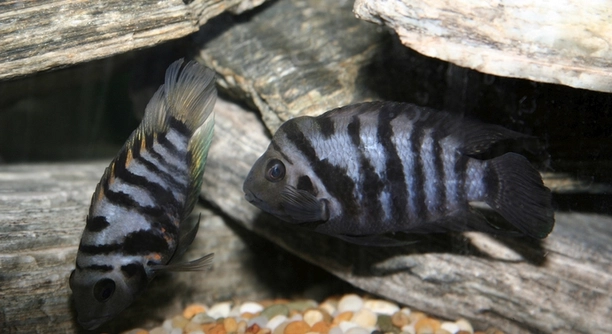
Adding new cichlids to your aquarium requires careful preparation. Ensuring the right conditions helps maintain a healthy environment for your fish. Proper planning prevents stress and potential problems that could arise from hasty decisions.
Before introducing new cichlids, it is essential to research species compatibility, quarantine new fish, check water parameters, prepare the tank environment, and monitor behavior closely. These steps reduce risks and promote a stable aquatic habitat.
Understanding these basics can improve your success with cichlid care. Preparing properly ensures your tank remains balanced and your fish thrive in their new home.
Research Species Compatibility
Choosing the right cichlid species for your aquarium is crucial. Not all cichlids get along well with each other, and some may show aggression if housed together. Researching their temperament, size, and habitat needs will help avoid conflicts. It’s important to understand which species are territorial and which prefer a peaceful environment. Matching fish with similar water requirements ensures everyone can thrive. Also, consider their adult size, as some cichlids grow much larger than others, affecting tank space. Taking time to study these factors reduces the chance of stress and injuries. This preparation leads to a healthier and more peaceful tank where your cichlids can display natural behaviors without unnecessary tension.
Compatibility matters because incompatible species can cause stress and harm to each other. Knowing the right pairs to keep together prevents these issues and maintains tank harmony.
Balancing species means providing enough hiding spots and territories for more aggressive fish, while ensuring peaceful ones have space to swim freely. Proper planning will create a stable community where all your cichlids can live comfortably.
Quarantine New Fish
Isolating new cichlids before adding them to the main tank protects your existing fish from diseases. Quarantine tanks allow you to observe new arrivals for signs of illness or parasites. This step usually lasts two to four weeks, depending on the situation. It helps prevent outbreaks that could spread quickly in a community tank. During quarantine, you can also monitor feeding habits and adjust water parameters if necessary. A clean quarantine tank with proper filtration and temperature control creates a safe environment for new fish to recover from transport stress. This practice greatly increases the chance that your main tank remains healthy and stable.
Quarantining new fish is a simple but effective way to avoid health problems in your aquarium.
Careful observation during quarantine gives you time to treat any health issues before introducing new cichlids. It also helps you adjust the fish gradually to water conditions similar to your main tank. This reduces shock and increases their chance of thriving. Preparing medications in advance and maintaining clean water during quarantine are key steps. Always use separate equipment for the quarantine tank to avoid cross-contamination. This approach protects all your fish and supports long-term success in maintaining a peaceful, healthy aquarium environment.
Check Water Parameters
Water quality is key for cichlid health. Test pH, temperature, ammonia, nitrite, and nitrate levels regularly. Stable parameters reduce stress and disease risks.
Maintaining proper water conditions helps create a comfortable environment for your cichlids. Different species prefer different pH and temperature ranges, so adjust accordingly. Use reliable test kits to monitor levels and perform water changes when needed. Avoid sudden changes to prevent shocking your fish. Keeping ammonia and nitrites at zero is crucial, as they are toxic. Nitrates should remain low through regular maintenance. Consistent water quality supports your fish’s immune system and encourages natural behavior.
Water temperature should be steady and appropriate for your species, usually between 75-82°F. A good filtration system helps maintain water clarity and removes waste. Aeration ensures oxygen levels stay sufficient. These factors combined provide a healthy tank where cichlids can thrive and display their best colors.
Prepare the Tank Environment
Provide hiding places and territories to reduce aggression among cichlids. Use rocks, caves, and plants for structure.
Arrange decorations to create natural barriers that help separate territorial fish. This reduces fights and stress. Ensure enough open swimming space for active species. Keep the substrate clean and suitable for digging, as many cichlids like to rearrange their environment. Lighting should mimic natural conditions without being too harsh. Regularly inspect the tank for damage or loose items that could injure fish. Proper tank setup supports fish behavior and improves overall well-being.
Adding new cichlids is easier when their environment feels familiar and secure. Thoughtful tank preparation encourages peaceful interactions and lets each fish establish its own space. This reduces stress and helps maintain a balanced community, allowing your cichlids to thrive in their new home.
Monitor Behavior Closely
Observe new cichlids carefully during the first few days after introduction. Watch for signs of stress or aggression.
Early detection of problems helps prevent serious injuries or long-term stress. Intervene if necessary to separate aggressive fish or adjust tank conditions.
Adjust Feeding Routine
Feed new cichlids smaller amounts more frequently to reduce competition. Provide a balanced diet suitable for their species.
Avoid overfeeding to keep water quality stable. Consistent feeding helps fish adapt and supports their health during the transition.
Maintain Tank Cleanliness
Regular cleaning prevents waste buildup that can harm fish health. Remove uneaten food and debris daily.
Consistent water changes and filter maintenance are essential. A clean tank supports strong immunity and reduces disease risk among cichlids.
FAQ
How long should I quarantine new cichlids?
Quarantining new cichlids for at least two to four weeks is recommended. This time allows you to observe any signs of illness or parasites and treat them before introducing the fish to the main tank. It also helps the fish recover from transport stress.
What water parameters are ideal for cichlids?
Most cichlids prefer a pH between 7.0 and 8.0 and temperatures from 75°F to 82°F. Ammonia and nitrite levels should be at zero, while nitrate should be kept low through regular water changes. Keeping these parameters stable supports fish health.
How can I prevent aggression between cichlids?
Providing plenty of hiding spots and territories helps reduce aggression. Use rocks, caves, and plants to create barriers. Also, avoid overcrowding and select species known to be compatible. Observing behavior closely during the introduction period is important.
What should I feed my cichlids?
Feed a varied diet including pellets, flakes, and occasional live or frozen foods. Adjust feeding amounts based on the species and avoid overfeeding to maintain water quality. Smaller, frequent meals help reduce competition and stress.
How often should I clean the tank?
Daily removal of uneaten food and waste is best. Perform partial water changes of 20-30% weekly or as needed, depending on tank size and bio-load. Clean or replace filter media regularly to keep water clear and healthy.
Can I add multiple cichlids at once?
Adding several cichlids at the same time is possible but increases the risk of aggression and stress. If you do, ensure the tank is large with ample hiding spaces. Introducing new fish slowly often works better for maintaining peace.
What signs indicate a sick cichlid?
Look for changes in appetite, lethargy, clamped fins, unusual spots, or labored breathing. Early detection and treatment are key to preventing illness spread. Quarantine tanks help manage sick fish away from healthy ones.
How do I acclimate new cichlids to my tank water?
Float the bag in your tank for 15-20 minutes to equalize temperature. Slowly add small amounts of tank water to the bag over 30-60 minutes. This gradual adjustment reduces shock and helps fish adapt to new water conditions.
Is it necessary to test water parameters regularly?
Yes, regular testing helps catch problems before they affect your fish. Monitoring pH, ammonia, nitrites, and nitrates ensures you can maintain a safe environment. Early intervention prevents stress and disease.
What if my cichlids are too aggressive despite preparations?
Consider rearranging tank decorations to break up established territories. Separating overly aggressive fish or upgrading to a larger tank may be necessary. In some cases, choosing different species is the best option for long-term harmony.
Final Thoughts
Adding new cichlids to your aquarium requires careful preparation and attention. Following the necessary steps helps create a healthy and balanced environment for your fish. Taking the time to research species compatibility and quarantine new arrivals reduces risks of illness and aggression. This planning makes sure that your fish have the best chance to thrive together peacefully. Each step in the process plays an important role in maintaining water quality and fish health.
Maintaining stable water parameters and a well-prepared tank environment is just as important as choosing the right fish. Proper filtration, regular water testing, and cleaning routines keep your aquarium safe from harmful toxins. Providing hiding spaces and territories helps reduce stress and aggressive behavior among cichlids. Watching their behavior closely after introducing new fish lets you act quickly if any problems arise. This care creates a stable habitat where your fish can grow and show their natural colors and personalities.
By paying attention to these details, you create a strong foundation for success in your aquarium. Cichlids are rewarding fish to keep, but they require effort and commitment. Keeping the tank clean, feeding a balanced diet, and monitoring fish health all contribute to their wellbeing. Following these guidelines will help you enjoy a peaceful and vibrant aquarium for years to come. Taking these steps ensures your cichlids remain healthy and happy in their home.

Hello,
If you enjoy the content that we create, please consider saying a "Thank You!" by leaving a tip.
Every little bit helps us continue crafting quality advice that supports the health, happiness, and well-being of pets around the world, for pets of all shapes, sizes, and species.
We really appreciate the kindness and support that you show us!