
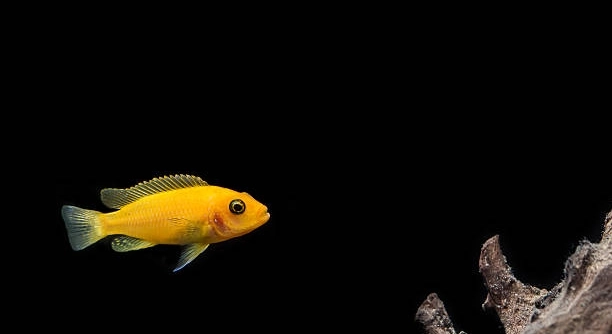
Cichlids are popular aquarium fish admired for their vibrant colors and lively behavior. Keeping them healthy is important for a thriving tank. Recognizing signs of illness early can prevent serious problems and improve your fish’s well-being.
Identifying if a cichlid is sick involves observing physical changes such as discoloration, unusual spots, or damaged fins, alongside behavioral shifts like lethargy, loss of appetite, and erratic swimming. These symptoms indicate the need for prompt care and treatment.
Knowing how to spot these signs can help maintain a healthy environment and ensure your cichlid enjoys a long, happy life in your aquarium.
Physical Signs of Illness in Cichlids
Changes in a cichlid’s appearance are often the first indication of illness. Watch for faded or dull colors, as healthy cichlids usually display vibrant hues. Look closely for white spots, redness, or swelling on the body and fins. Torn or clamped fins can also signal health problems. Some diseases cause visible sores or ulcers. Additionally, excessive mucus or cloudiness around the eyes and gills may indicate infection. These physical signs should never be ignored, as they often precede more severe symptoms. Keeping a regular eye on your fish’s condition helps catch these changes early and improves chances of successful treatment.
Noticing any of these physical signs means it is time to check water quality and consider medical treatment options.
Early detection and proper tank maintenance are key to helping your cichlid recover quickly. Maintaining clean water, balanced diet, and appropriate temperature supports their immune system. If physical symptoms persist, consulting a veterinarian or specialist can provide a clear diagnosis and treatment plan. Avoid overcrowding, which can stress fish and increase vulnerability to disease. Regular observation ensures problems are addressed before they worsen, keeping your cichlid healthy and active.
Behavioral Changes to Monitor
Behavior often reflects the internal health of your cichlid.
Sick cichlids commonly exhibit lethargy, hiding more than usual, or loss of appetite. They may swim erratically or float near the surface or bottom, which is not normal behavior. Gasping for air or rapid gill movement can indicate oxygen stress or infection. Changes in social interaction, such as aggression or withdrawal, can also suggest illness. These behaviors reveal discomfort or stress that physical signs alone might miss.
Recognizing these subtle behaviors helps catch illness early.
Fish behavior can shift quickly, so consistent monitoring is important. Even small changes in swimming patterns or feeding habits deserve attention. When a cichlid stops eating, it may weaken rapidly, leading to worse health outcomes. Offering varied, nutritious food and maintaining stable tank conditions encourages normal behavior. Observing your fish daily helps detect early warning signs and guides timely intervention. Acting promptly improves recovery chances and minimizes stress on your cichlid and the entire aquarium community.
Appetite Loss in Cichlids
Loss of appetite is a common sign that something is wrong with a cichlid. If your fish stops eating or shows less interest in food, it could indicate illness or stress. Monitoring feeding habits helps detect health issues early.
Appetite loss can result from various causes such as poor water quality, parasites, or infections. When cichlids feel unwell, their metabolism slows, reducing their desire to eat. Sometimes, illness affects their ability to hunt or recognize food. It’s important to assess tank conditions and ensure a balanced diet is offered. Removing uneaten food quickly also prevents water contamination that might worsen health.
To encourage eating, try offering different types of food like live or frozen options. If appetite does not improve, seek advice from an aquatic specialist. Early intervention improves chances of recovery and keeps your fish healthy.
Abnormal Swimming Patterns
Abnormal swimming is often a clear sign of distress or illness in cichlids. Erratic movements, floating sideways, or difficulty maintaining balance indicate a problem. These signs require immediate attention.
Such behaviors may result from swim bladder disorders, infections, or poor water conditions. Swim bladder issues affect buoyancy, causing fish to struggle swimming normally. Parasites and bacteria can impair movement or cause discomfort, making swimming erratic. Low oxygen levels or toxins in the water also cause distress. It’s essential to test water parameters regularly to maintain a safe environment. Observing how your cichlid swims daily helps spot changes early and prevent worsening symptoms.
Treatment depends on the cause but usually involves improving tank conditions and providing appropriate medication. Keeping a stable, clean tank minimizes risks of swim-related problems. Addressing abnormal swimming quickly promotes recovery and helps your cichlid return to normal activity.
Gills and Breathing Issues
Rapid or labored breathing can signal respiratory problems in cichlids. Watch for gasping at the surface or swollen gills. These symptoms indicate oxygen stress or infection.
Poor water quality often causes breathing difficulties. Ammonia, nitrite, or low oxygen levels strain gill function. Regular water testing and partial water changes are essential. Treating infections promptly prevents further damage to the gills and improves breathing.
Clamped Fins
Clamped fins appear when a cichlid holds its fins close to its body, often signaling stress or illness. This behavior reduces movement and indicates discomfort.
Changes in Color
Fading or darkening of colors may indicate illness or poor tank conditions. Color changes can also be a response to stress or aging.
Lethargy
Lethargy is a sign that a cichlid lacks energy and spends most time resting. This may indicate disease or poor water quality and should be monitored carefully.
What causes cichlids to get sick?
Cichlids can become sick due to poor water quality, improper diet, stress, or infections caused by bacteria, parasites, or fungi. Overcrowding and sudden changes in water temperature or chemistry can also weaken their immune systems, making them more vulnerable to illness.
How can I improve my cichlid’s water quality?
Regular water changes are essential for maintaining good water quality. Test the water weekly for ammonia, nitrites, nitrates, and pH levels. Use a reliable filter and clean it often. Avoid overfeeding, as leftover food can pollute the water. Maintaining stable temperature and proper tank size also helps keep water clean.
What should I feed a sick cichlid?
Feed your sick cichlid high-quality, easily digestible food like specialized pellets or flakes designed for sick fish. Adding vitamin supplements can boost their immune system. Offering live or frozen foods like bloodworms or brine shrimp may encourage eating but should be introduced carefully to avoid further stress.
How long does it take for a sick cichlid to recover?
Recovery time varies depending on the illness and treatment. Mild infections may improve within a week, while severe diseases can take several weeks. Consistent care, clean water, and proper medication are necessary for a full recovery.
When should I isolate a sick cichlid?
Isolate a sick cichlid as soon as you notice symptoms to prevent spreading disease. Use a separate quarantine tank with similar water conditions. Isolation helps in monitoring the fish closely and administering treatments without affecting healthy tank mates.
Can stress cause illness in cichlids?
Yes, stress weakens the immune system, making cichlids more prone to illness. Causes of stress include poor water conditions, overcrowding, aggressive tank mates, or sudden environmental changes. Reducing stress through proper tank care and compatible fish choices helps prevent disease.
How do I know if my cichlid has parasites?
Signs of parasites include scratching against objects, white spots, rapid breathing, or visible worms on the body. Parasites can also cause fin damage and weight loss. Early detection is crucial to apply the right treatment and avoid serious health problems.
Are medications safe for cichlids?
Medications can be safe if used correctly. Always follow the instructions on dosage and duration. Avoid overuse, as this can harm beneficial bacteria in the tank. It’s best to consult a professional if you’re unsure which treatment to use.
Can poor diet cause illness in cichlids?
A poor diet lacking essential nutrients weakens a cichlid’s immune system and makes it susceptible to disease. Providing a varied and balanced diet with proper proteins, vitamins, and minerals supports overall health and disease resistance.
What is the best way to prevent illness in cichlids?
Maintaining stable water conditions, feeding a nutritious diet, avoiding overcrowding, and minimizing stress are key to preventing illness. Regular observation for early signs of disease helps catch problems before they worsen. Quarantining new fish before adding them to the tank reduces risk of introducing infections.
How often should I clean my cichlid tank?
Partial water changes of 20-30% weekly help keep the tank clean. Avoid deep cleaning that removes beneficial bacteria. Cleaning the substrate and filter media as needed prevents buildup of waste. Consistent maintenance supports a healthy environment for your cichlids.
Can temperature affect cichlid health?
Yes, cichlids are sensitive to temperature changes. Keeping the water within the recommended range for your species helps maintain their immune system and reduces stress. Sudden drops or rises can cause illness or shock, so temperature stability is important.
What signs mean I should seek professional help?
If your cichlid shows severe symptoms like constant hiding, severe fin damage, rapid weight loss, or fails to improve after basic treatment, it’s time to consult a veterinarian or aquatic specialist. Professional diagnosis and treatment ensure the best care for your fish.
Is it normal for cichlids to change color?
Some color change can be normal due to mood, breeding, or age. However, sudden fading, darkening, or patchy colors may indicate illness, stress, or poor water quality. Monitoring these changes helps detect health problems early.
Can overcrowding cause illness in cichlids?
Overcrowding increases stress, reduces oxygen levels, and leads to poor water quality. These conditions make cichlids more vulnerable to diseases. Providing enough space and proper filtration helps keep your fish healthy and comfortable.
Final Thoughts
Caring for cichlids requires careful attention to their health and environment. Recognizing early signs of illness, such as changes in behavior, appearance, or appetite, can make a significant difference in treatment success. Paying close attention to these details helps prevent minor issues from becoming serious problems. Regular observation is a simple but effective way to ensure your cichlids remain healthy and active.
Maintaining a clean and stable tank environment is essential for preventing many common diseases. Consistent water testing, proper filtration, and timely water changes create a safe habitat for your fish. Providing a balanced diet tailored to your cichlid’s needs strengthens their immune system and supports overall well-being. Reducing stress by avoiding overcrowding and keeping compatible tank mates also plays an important role in keeping your fish healthy.
When illness does occur, acting quickly with the right treatments is important. Isolating sick fish, consulting experts if needed, and following medication instructions carefully help improve recovery chances. Understanding your cichlid’s normal behavior and physical condition enables you to notice problems early. Being proactive about health and tank care creates a better experience for both you and your cichlids, ensuring they thrive in your aquarium.

Hello,
If you enjoy the content that we create, please consider saying a "Thank You!" by leaving a tip.
Every little bit helps us continue crafting quality advice that supports the health, happiness, and well-being of pets around the world, for pets of all shapes, sizes, and species.
We really appreciate the kindness and support that you show us!