
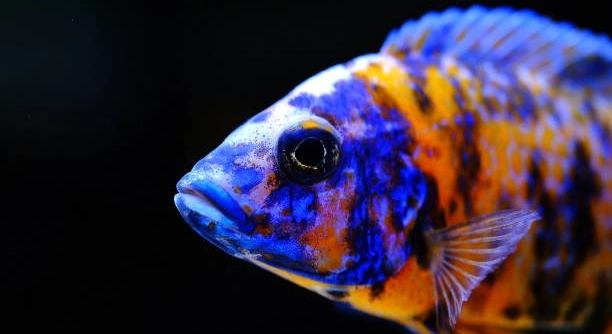
African cichlids are vibrant and active fish that thrive in well-decorated tanks. Choosing the right decorations not only enhances the tank’s appearance but also supports the fish’s natural behaviors and comfort. Proper tank setup plays a key role in their well-being.
The best decorations for African cichlid tanks include rocks, caves, and sandy substrates that mimic their natural habitat. These elements provide hiding spots, breeding areas, and territorial boundaries crucial for their health and social interactions. Selecting sturdy and safe materials is essential.
Finding the right decorations will improve your tank’s environment and keep your cichlids happy and healthy over time.
Rocks and Stones for Natural Territory
Rocks and stones are essential for creating a natural environment in African cichlid tanks. These fish come from rocky lakebeds, so adding rocks helps simulate their habitat. Rocks provide hiding spots and territorial boundaries, which reduce aggression among fish. When choosing rocks, smooth surfaces and non-toxic materials are best to avoid injury and water contamination. Stack them securely to prevent collapsing, which could harm your fish. The arrangement should create caves and crevices for shelter and breeding. Avoid sharp edges, and clean the rocks thoroughly before placing them in the tank. Using a variety of sizes also adds visual interest and natural appeal. Rocks not only serve as decoration but also encourage natural behaviors like exploring and establishing territories. They make the tank feel more like home to your cichlids, improving their overall comfort and reducing stress.
Rocks must be stable and safe to prevent tank damage and protect the fish.
Proper rock placement helps maintain tank balance and enhances your cichlids’ well-being through natural interaction with their environment.
Caves and Hiding Spots
Caves are a crucial addition to African cichlid tanks because these fish need places to hide and feel secure. Hiding spots reduce stress and aggression by giving fish personal space when they feel threatened or want to rest. Many cichlids are territorial and require a place to claim as their own, especially during breeding. Artificial caves made of safe materials or natural hollow rocks work well. It is important to avoid decorations with sharp edges or toxic substances. Placing caves at different levels of the tank encourages exploration and activity. A well-placed cave allows shy fish to retreat and lowers the chances of fights. Providing multiple hiding spots supports a healthier social structure and makes your tank environment more dynamic and interesting.
Adding caves creates a safer and calmer tank for your African cichlids.
Sand and Substrate Choices
Choosing the right substrate is important for the health and behavior of African cichlids. Sand is the preferred choice because it closely resembles their natural lakebeds and is gentle on their bodies. Cichlids like to dig and sift through the substrate, so having soft sand allows them to perform these natural behaviors without injury. Avoid sharp or rough gravel that can damage their delicate fins and mouths. Sand also helps maintain good water quality by trapping debris on the surface where it can be easily cleaned. Light-colored sand enhances the tank’s brightness and showcases the vibrant colors of the fish. It is important to rinse sand thoroughly before adding it to the tank to remove dust and impurities. Sand creates a more comfortable and natural environment, encouraging your cichlids to act naturally and thrive.
Sand is the most suitable substrate for African cichlids, promoting their natural habits and health.
Proper substrate choice improves both the aesthetics and function of your cichlid tank environment.
Plants and Vegetation
Plants add both beauty and functionality to African cichlid tanks. Live plants improve water quality and provide natural hiding spots. However, not all plants thrive with cichlids, as they may uproot or eat them. Hardy species like Anubias and Java fern are good choices.
Choosing plants that can withstand cichlid activity is important. These fish tend to dig and rearrange their environment, so delicate plants often do not survive. Attaching plants to rocks or driftwood helps keep them secure. Plants also contribute oxygen and reduce nitrates, benefiting water quality. They soften the tank’s look, making it feel more natural and less barren. If live plants aren’t an option, artificial plants designed for cichlid tanks can still provide hiding places and add color without the risk of damage.
Balancing plant selection with cichlid behavior enhances the tank environment. Well-chosen vegetation promotes fish comfort and adds visual appeal.
Driftwood and Decorative Wood
Driftwood introduces natural texture and creates interesting territories within the tank. It also serves as a resting and hiding spot for African cichlids, especially shy or smaller fish. Make sure to use aquarium-safe driftwood treated to avoid toxins and excess tannins.
Wood decorations can change the water chemistry by lowering pH slightly, which mimics some natural habitats. This can be beneficial if your cichlids prefer softer, more acidic water. Regular soaking and boiling of driftwood before adding it to the tank reduces unwanted substances and helps it sink properly. Driftwood pairs well with plants and rocks, creating a balanced environment. Its dark tones contrast beautifully with the bright colors of the fish, making the tank more visually engaging. Properly maintained wood pieces also support beneficial bacteria growth, aiding the tank’s biological filtration.
Incorporating driftwood adds both functional benefits and aesthetic richness, improving your cichlid tank’s overall health and appearance.
Backgrounds and Tank Walls
Backgrounds improve the tank’s appearance by hiding equipment and creating depth. Dark or natural-themed backgrounds reduce stress by mimicking the cichlids’ natural environment. Avoid bright or reflective backgrounds that can cause confusion or aggression.
Backgrounds also help highlight the fish’s vibrant colors. A simple, solid color background works well to focus attention on the cichlids rather than the tank’s contents behind them.
Ceramic and Resin Decorations
Ceramic and resin decorations offer a variety of shapes and designs suitable for African cichlid tanks. These materials are non-toxic and durable, making them safe choices. They can be shaped into caves, ruins, or abstract structures.
Many ceramic and resin pieces are designed to provide hiding spots and territories, which help reduce aggression. It is important to choose decorations without sharp edges and ensure they are aquarium-safe to prevent water contamination or injury to the fish.
Floating Plants
Floating plants can add shade and shelter in the upper part of the tank. They help diffuse light, creating a more comfortable environment for cichlids sensitive to bright lighting.
These plants also improve water quality by absorbing excess nutrients and reducing algae growth.
FAQ
What decorations are safest for African cichlid tanks?
The safest decorations are natural rocks, smooth ceramic or resin pieces, and hardy plants like Anubias or Java fern. These materials avoid sharp edges and toxic substances that could harm your fish. Always rinse new decorations thoroughly before placing them in the tank to remove dust or chemicals.
How do decorations affect cichlid behavior?
Decorations provide hiding spots and territory boundaries, which reduce aggression among cichlids. They encourage natural behaviors such as digging, exploring, and breeding. Without enough hiding places, cichlids may become stressed and more aggressive, leading to injury or poor health.
Can live plants survive with African cichlids?
Yes, but it depends on the plant species and tank setup. Cichlids often dig and uproot plants, so hardy, slow-growing plants like Anubias and Java fern that attach to rocks or driftwood work best. Floating plants are also useful as they provide shade and reduce light intensity.
Why is sand recommended over gravel?
Sand mimics the natural lakebeds of African cichlids and is softer on their bodies. Cichlids like to sift and dig through the substrate, which is easier and safer with sand. Gravel can have sharp edges that might injure the fish, especially those that spend time near the bottom.
How should rocks be arranged in the tank?
Rocks should be stacked securely to form caves and crevices without risk of collapse. This creates hiding spots and territorial zones that help reduce aggression. Avoid overcrowding the tank, as cichlids need open swimming space alongside the rocky areas.
Do decorations affect water quality?
Some decorations like driftwood can change water chemistry by releasing tannins and slightly lowering pH. This can be beneficial depending on your cichlid species. Plants help improve water quality by absorbing nutrients. Always monitor water parameters when adding new decorations.
Can artificial plants be used?
Yes, artificial plants made from safe materials provide decoration and hiding places without the risk of being uprooted or eaten. Choose soft, flexible artificial plants to prevent injury. They require less maintenance but don’t offer the same benefits as live plants for water quality.
How often should decorations be cleaned?
Clean decorations as part of regular tank maintenance to remove algae and debris buildup. Avoid harsh chemicals—use warm water and a soft brush. Over-cleaning can remove beneficial bacteria, so only clean when necessary to keep the tank healthy.
Are caves necessary for breeding?
Caves are very important for many African cichlid species during breeding. They offer safe spaces for females to lay eggs and protect fry. Providing multiple caves helps reduce competition and allows several pairs to breed in the same tank.
What is the best way to prevent decoration-related injuries?
Choose decorations with smooth edges and avoid sharp or brittle materials. Securely place rocks and heavy decorations to prevent collapsing. Inspect decorations regularly for cracks or damage that could hurt your fish. Proper placement reduces stress and keeps your tank safe.
Final thoughts on decorating African cichlid tanks focus on creating a safe and natural environment that supports the fish’s health and behavior. Choosing the right decorations is key to achieving this balance. Rocks, caves, and sand help mimic the cichlids’ natural habitats, providing spaces to hide, explore, and establish territories. These elements reduce stress and aggression, which are common issues in cichlid tanks. It is important to select decorations that are sturdy, non-toxic, and suited to the specific needs of African cichlids. Proper preparation and careful arrangement will ensure the tank is both functional and visually pleasing.
Another important aspect is considering how decorations affect the overall tank ecosystem. Live plants, for example, add more than just beauty. They improve water quality and provide natural cover. However, cichlids often disturb plants by digging or nibbling, so choosing hardy species like Anubias or Java fern is essential. Driftwood and artificial decorations can also contribute to the environment by offering hiding places and reducing light intensity. Decorations should be cleaned regularly but carefully to maintain a healthy balance of beneficial bacteria. Monitoring water parameters after adding new items helps prevent unwanted changes that could harm the fish.
Ultimately, decorating an African cichlid tank is about more than appearance. It is about creating a space that encourages natural behavior and supports the fish’s well-being. Taking time to research and select suitable materials will pay off in a healthier, more active tank. Providing enough hiding spots and territory markers helps reduce fighting and stress among the fish. When the tank environment feels natural and safe, African cichlids display their best colors and behaviors. A well-decorated tank benefits both the fish and the aquarium keeper, making the experience more enjoyable.

Hello,
If you enjoy the content that we create, please consider saying a "Thank You!" by leaving a tip.
Every little bit helps us continue crafting quality advice that supports the health, happiness, and well-being of pets around the world, for pets of all shapes, sizes, and species.
We really appreciate the kindness and support that you show us!