
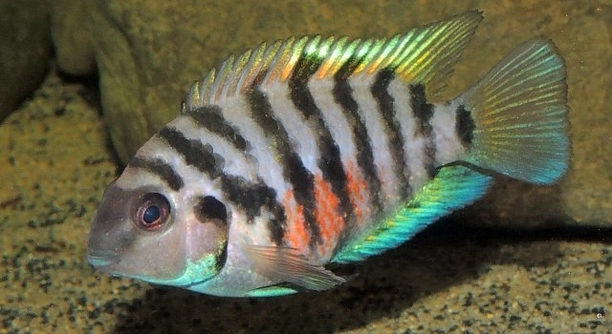
Cichlids are popular aquarium fish known for their vibrant colors and interesting behaviors. Many hobbyists wonder how these fish react to sounds in their environment. Understanding their responses can improve care and interaction.
Cichlids respond to various sounds such as water movement, tapping on the tank, feeding noises, and other environmental vibrations. These sounds can influence their behavior, stress levels, and social interactions, making sound an important factor in their care.
Learning which sounds affect cichlids can help you create a better environment for them. This article offers tested tips to recognize and use these sounds effectively.
Water Movement Sounds
Water movement creates subtle sounds that cichlids naturally hear in their habitat. These noises come from filters, air stones, or water flowing in and out of the tank. The gentle bubbling and splashing often help fish feel more secure, as they mimic conditions found in rivers and lakes. However, if the water movement is too strong or noisy, it can stress them out. Sudden changes in water flow or loud splashes may cause cichlids to hide or act skittish. Observing how your fish respond to these sounds can guide you in adjusting your equipment to maintain a calm environment. Proper water circulation keeps oxygen levels balanced while minimizing disruptive noise. Many cichlids thrive with a steady, quiet flow, making it easier to feed and interact with them without causing unnecessary stress.
Water movement sounds signal environmental conditions and can either calm or disturb cichlids depending on their intensity and consistency.
Controlling the sound of water movement involves adjusting filter speed or air stone output. Ensuring that water flow mimics their natural habitat will encourage more natural behavior. Monitoring the fish’s reactions to these sounds allows you to create a balanced, stress-free aquarium. This approach promotes healthier fish and a more enjoyable experience for anyone caring for cichlids.
Tapping on the Tank
Tapping sounds can catch cichlids’ attention quickly. These noises often startle or alert them because they signal an unexpected presence outside their tank.
Tapping may cause cichlids to become cautious or aggressive, depending on their temperament and the situation.
Repeated tapping can stress fish and disrupt their normal activities. It’s best to avoid tapping on the glass as it may make them nervous. Instead, try gentle approaches to get their attention, like soft sounds from outside the tank or controlled feeding noises. Understanding how tapping affects them helps maintain a peaceful environment where cichlids feel safe and comfortable.
Feeding Noises
Feeding sounds often trigger excitement in cichlids. The rustling of food containers or dropping pellets into the tank signals mealtime.
These noises help fish recognize feeding times, which can condition them to respond quickly. The sound of sinking pellets or flakes hitting the water surface encourages cichlids to gather and eat. Over time, they associate these sounds with food, making feeding smoother and more interactive. However, loud or sudden noises during feeding might startle them, so it’s important to keep feeding sounds consistent and calm.
Using feeding noises to train cichlids can improve their behavior and reduce stress. The anticipation created by familiar sounds also adds a positive routine to their day. This method helps strengthen the bond between the fish and their keeper.
Environmental Vibrations
Environmental vibrations come from outside the tank, such as footsteps, loud music, or household appliances. These vibrations can disturb cichlids, making them restless or stressed.
Cichlids detect vibrations through their lateral line system, which helps them sense movement in water. Strong vibrations can cause them to hide or display defensive behavior. Minimizing these external vibrations creates a more stable environment. Placing the tank on a sturdy, vibration-absorbing surface can help reduce disturbances. Monitoring how your fish respond allows you to identify and manage unwanted noise sources for a calmer aquarium.
Tank Cleaning Sounds
Tank cleaning produces noises like scraping or water splashing that can unsettle cichlids. These sounds often signal a disruption in their environment.
Frequent or loud cleaning noises may stress fish. Using gentle motions and minimizing noise helps maintain their comfort during tank maintenance.
Fish Communication Sounds
Cichlids create low-frequency sounds to communicate with each other, especially during breeding or territorial displays. These sounds help them establish dominance or attract mates.
Recognizing these communication noises can improve understanding of cichlid behavior. It also shows how sound plays a role in their social interactions.
External Human Activity
Sounds from outside the tank, such as talking or footsteps, catch cichlids’ attention. These noises can influence their mood or alertness temporarily.
FAQ
How do cichlids react to sudden loud noises?
Cichlids often become startled or stressed when they hear sudden loud noises near their tank. This can cause them to dart around quickly or hide. Prolonged exposure to loud sounds can increase their stress levels, leading to weakened immune systems and less active behavior. It’s best to keep the tank environment calm and avoid abrupt noises close to their habitat.
Can tapping on the tank harm cichlids?
Repeated tapping on the glass can cause stress and disrupt normal behavior in cichlids. While occasional gentle taps might get their attention, frequent tapping may lead to nervousness or aggression. It’s safer to use quieter methods to interact with them, like gentle feeding sounds or soft vibrations outside the tank.
Why do cichlids respond to feeding noises?
Cichlids learn to associate feeding noises with mealtime. The sound of pellets hitting the water or the rustling of food containers signals food is coming, which encourages them to gather and feed actively. This conditioning helps in managing feeding routines and can reduce anxiety around mealtime.
Are cichlids sensitive to household vibrations?
Yes, cichlids detect vibrations through their lateral line system. Vibrations from heavy footsteps, appliances, or loud music can disturb their peace and make them more defensive or inactive. Minimizing such vibrations by placing the tank on a stable surface helps keep the fish calm.
Do cichlids communicate using sounds?
Cichlids produce low-frequency sounds to communicate, especially during breeding or territorial behavior. These sounds help establish dominance, attract mates, or warn other fish. Understanding this communication can provide insight into their social interactions and well-being.
How can I reduce stress caused by environmental sounds?
To reduce stress from environmental sounds, keep the tank in a quiet room away from loud activities. Use filters and air stones that operate quietly, and avoid tapping or banging on the glass. Creating a stable and calm environment helps cichlids stay healthy and comfortable.
Is it normal for cichlids to hide during noisy moments?
Yes, hiding is a natural response when cichlids feel threatened or stressed by loud noises or vibrations. Providing plenty of hiding spots in the tank helps them feel secure during these moments. Watching how often they hide can also indicate if the noise levels need adjustment.
Can cichlids get used to noises over time?
Cichlids may become accustomed to regular, consistent sounds like gentle water flow or feeding noises. However, sudden or irregular loud noises remain stressful. Gradual exposure to certain sounds can help them adapt, but minimizing harmful noises is always better for their health.
What sounds should be avoided around cichlid tanks?
Avoid loud bangs, continuous tapping, and heavy vibrations near the tank. These sounds can cause stress and abnormal behavior. Keeping the aquarium environment stable and quiet promotes natural behavior and supports the fish’s well-being.
How important is sound in cichlid care?
Sound plays an important role in cichlid behavior and stress management. Understanding which sounds they respond to allows caretakers to create a peaceful environment. Proper sound control improves feeding response, social interactions, and overall fish health.
Final Thoughts
Cichlids are sensitive to many sounds around them, and understanding these noises can make caring for them easier. Sounds like water movement, feeding noises, and gentle vibrations often help cichlids feel comfortable and secure. However, sudden loud noises, tapping on the tank, or strong external vibrations can cause stress and disrupt their behavior. By paying attention to how your fish respond, you can adjust the environment to keep them calm and healthy. Small changes in sound levels and types can make a big difference in their overall well-being.
Creating a quiet and stable space for your cichlids is important. This means keeping noisy activities away from the tank and using equipment that runs quietly. Regular tank maintenance should be done carefully to avoid loud scraping or splashing sounds that might frighten the fish. Feeding times can be improved by using consistent sounds that your cichlids learn to associate with food, making them more relaxed and eager to eat. When you respect their sensitivity to sound, cichlids are more likely to show natural and calm behaviors.
In the end, sound plays a key role in the daily life of cichlids. It influences their stress levels, social interactions, and how they react to their surroundings. Being aware of the sounds they respond to can help you create a better living space for your fish. When their environment is peaceful and familiar, cichlids are healthier and happier. Taking time to understand and manage these sounds will improve your experience as a caretaker and the quality of life for your cichlids.

Hello,
If you enjoy the content that we create, please consider saying a "Thank You!" by leaving a tip.
Every little bit helps us continue crafting quality advice that supports the health, happiness, and well-being of pets around the world, for pets of all shapes, sizes, and species.
We really appreciate the kindness and support that you show us!