
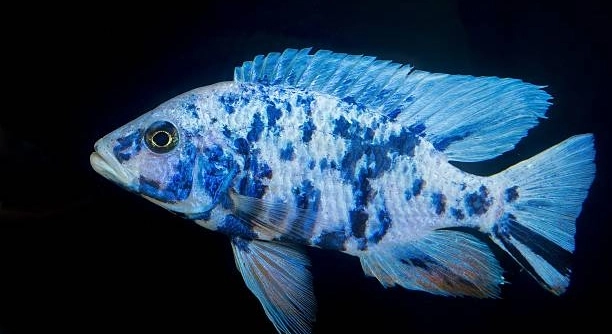
Have you ever struggled to keep your cichlid tank calm, only to find constant chasing, flaring, or fin-nipping disrupting the peace? A mixed cichlid setup can quickly turn stressful without the right balance and approach.
The best way to keep peace in a mixed cichlid tank is by carefully managing species compatibility, tank size, territory setup, and feeding routines. These factors work together to reduce aggression and maintain a stable environment.
Understanding how to blend personalities, space, and structure can make a noticeable difference in your tank’s atmosphere and your fish’s wellbeing.
Choosing the Right Cichlids
Keeping peace in a mixed cichlid tank starts with choosing species that are more likely to get along. African and South American cichlids should not be mixed due to different temperaments and water needs. Even within the same region, it’s important to research the species you plan to keep. Some are naturally more aggressive, while others are considered semi-aggressive or peaceful. Avoid combining very aggressive fish with smaller or shy ones. Matching similar temperaments helps reduce constant fighting and stress. Also, consider adult size and behavior. A juvenile may seem peaceful but could grow into a dominant tank bully. Choose fish that thrive in the same pH, temperature, and hardness levels to avoid long-term health problems. Buying juveniles and raising them together can help ease territorial aggression as they grow used to each other. Taking time to choose the right mix can prevent future issues and keep your tank stable.
Watch for fin damage or fish that hide constantly, as these are signs your current group may not be working well.
Peaceful cichlid combinations usually include species like keyhole cichlids, rainbow cichlids, and some dwarf cichlids. Avoid pairing these with mbunas or larger, more aggressive types. Matching fish with similar temperaments is key to long-term harmony.
Creating a Balanced Environment
Tank layout plays a big role in how your cichlids behave. The right setup can reduce tension.
Provide enough space for each fish to have its own area. A larger tank helps prevent territorial fights, especially when housing more than one dominant species. Rocks, caves, and driftwood should be used to create visual barriers so fish can break line of sight and establish individual territories. Avoid large open spaces, which can make shy cichlids feel exposed and aggressive cichlids more likely to chase. Plants can also help create structure, though many cichlids may dig or uproot them. Choose sturdy or artificial options that can hold up. Make sure the filtration is strong enough to handle the bioload of multiple cichlids, and keep up with regular water changes. Poor water quality can stress fish and trigger aggression. A stable temperature and consistent lighting schedule also help maintain calm. Rearranging decor during water changes can reduce aggression by disrupting established territories. These simple changes can go a long way in keeping the tank calm.
Managing Feeding Time
Feeding your cichlids the right way can prevent unnecessary stress and aggression. Uneven feeding often leads to chasing and bullying, especially if dominant fish take most of the food. Spread the food across the tank to ensure each fish gets its share.
Feed small portions two to three times a day instead of one large feeding. This keeps competition lower and digestion easier. Use sinking pellets or flakes that cater to both top and bottom feeders. Watch closely during feeding to make sure all fish are eating, especially the more timid ones. Overfeeding can also cause aggression, as uneaten food affects water quality and fish behavior. Avoid feeding live food frequently, as it can encourage overly aggressive habits in certain species. Stick to a balanced diet with high-quality pellets, frozen options, and occasional vegetables. Routine feeding, done calmly and consistently, helps maintain a more peaceful tank atmosphere over time.
If one fish consistently dominates feeding time, try distracting it by placing food at multiple spots in the tank. You can also use feeding rings or slow-release feeders to give timid fish more time to eat. This method helps spread attention and reduce mealtime tension among the group.
Monitoring Behavior Over Time
Cichlids often change their behavior as they grow, so what works early on may shift later. Regularly watching how your fish interact helps catch problems early before they escalate.
Aggression can increase during breeding periods or if the tank becomes overcrowded. If chasing or fin-nipping becomes frequent, consider separating certain fish or adding more hiding spots. Use a divider temporarily if one fish becomes overly aggressive. Watch for changes in appetite, swimming patterns, or hiding behavior. These may signal stress caused by bullying or poor water conditions. When adding new fish, rearrange the tank layout to reduce territorial stress. Quarantine new arrivals to prevent illness and allow a smoother transition. Not all conflicts can be resolved, and sometimes it’s best to rehome a consistently aggressive fish for the safety of the others. Staying aware of the small signs helps keep long-term peace and supports a healthier environment for all your cichlids.
Handling Breeding Behavior
Breeding can bring out territorial instincts in both males and females. You may notice increased chasing, digging, or guarding behavior as certain fish prepare to spawn. These changes are normal but can lead to fights if the tank isn’t spacious or structured enough.
Separate breeding pairs if aggression becomes constant. Providing flat rocks or caves can help direct this energy away from other fish. In some cases, moving fry or eggs to another tank may be necessary to keep peace among tankmates.
When to Rehome a Fish
Some cichlids simply won’t adjust to a mixed setup, no matter the changes. If one fish continues to harass others, shows constant aggression, or causes repeated injuries, it may be time to rehome it. This choice helps protect the health and safety of the rest of the tank.
Final Tip
Peaceful tanks often come down to careful observation and small adjustments. Staying consistent and paying attention makes all the difference.
FAQ
Can African and South American cichlids live together peacefully?
In most cases, they should not be housed together. African cichlids usually come from hard, alkaline water environments like Lake Malawi or Lake Tanganyika, while South American cichlids prefer softer, more acidic water. Their needs are too different, and their temperaments often clash. Even if water conditions are adjusted, aggression is a common issue when mixing them. Long-term harmony is unlikely, and stress or injury can result. It’s best to choose species from the same region with similar behaviors and environmental requirements.
How many cichlids can I keep in one tank?
The number depends on the species, tank size, and filtration. A general rule for many medium-sized cichlids is one inch of fish per gallon, but this doesn’t always apply due to their territorial nature. Overcrowding may sound risky, but in some cases, it helps spread out aggression. However, this only works with excellent filtration, frequent water changes, and plenty of hiding places. Avoid keeping too few cichlids, as dominant fish may target a single tankmate. Each tank setup requires individual planning based on the cichlids you choose.
What size tank is best for mixed cichlids?
A 55-gallon tank is typically the minimum for a mixed cichlid tank. Larger tanks, such as 75 to 125 gallons, are better if you want to keep a wider variety or larger species. The more space you provide, the easier it is to manage aggression. More space allows for territories, escape routes, and consistent water quality. Small tanks increase stress and limit how much you can do to reduce conflict. Choose the biggest tank you can reasonably maintain, as it makes a noticeable difference in behavior and stability.
Do decorations really help reduce aggression?
Yes, tank layout plays a major role in behavior. Cichlids are highly territorial, and visual barriers help reduce direct line-of-sight chasing. Rocks, caves, and driftwood let fish create individual spaces. When fish can’t see each other all the time, they fight less. During tank maintenance, you can rearrange decorations to reset territories. Even artificial plants help break up open areas. A well-decorated tank not only reduces tension but also allows shy fish to feel more secure. Avoid bare tanks when keeping mixed cichlids, as this increases stress and conflict.
How do I know if a fish needs to be removed?
Watch for signs like constant chasing, visible injuries, or one fish hiding most of the time. If aggression doesn’t improve after changing the layout or increasing hiding spots, removal may be necessary. One overly aggressive fish can ruin the balance of the entire tank. It’s not a failure to rehome a fish—it’s a responsible decision. Keep your other fish safe and healthy by acting quickly. Some fish just don’t adjust to community life and will do better in a different setup or alone.
Can I add new cichlids later on?
Yes, but you need to be careful. Adding new cichlids can disrupt the established order in the tank. To reduce aggression, rearrange the decorations before introducing the newcomer. Quarantine new fish for at least two weeks to check for illness. Add them at night when the lights are off, which gives them time to adjust before being noticed. Choose species that are compatible in size and temperament. Avoid adding just one small fish to a tank of larger, established cichlids. This usually leads to bullying.
Why are my cichlids digging so much?
Digging is normal behavior, especially for cichlids preparing to spawn or establish territory. Some do it to create a safe nesting area, while others simply enjoy rearranging their environment. It’s rarely a cause for concern unless it interferes with equipment or plant roots. Use heavier decorations and plants in pots to keep them in place. If digging becomes excessive or obsessive, check for stress or overcrowding. It’s a natural behavior, but like all behaviors, it can increase under poor conditions or boredom.
Final Thoughts
Keeping peace in a mixed cichlid tank takes planning, patience, and close observation. These fish are beautiful, active, and full of personality, but they also come with challenges. Many species are territorial and can become aggressive if conditions aren’t right. Choosing the right mix of species is the first step. It’s not just about how the fish look together—it’s about how well they live together. Fish from different regions often have very different water needs and behaviors. Mixing them can lead to stress, illness, or serious aggression. Even within the same region, some species are better suited to shared living than others. Doing research before buying can help avoid problems later.
Tank size and layout are also key to keeping things calm. Larger tanks give fish more room to form their own spaces, which helps lower stress and conflict. A well-decorated tank with rocks, caves, and plants creates hiding spots and breaks up the line of sight. This gives each fish a chance to feel safe and lowers the chances of one fish dominating the whole tank. Rearranging the decor every so often can also help reset territories and prevent aggressive behavior from becoming a habit. Water quality, feeding routines, and the right temperature all work together to keep the environment stable. When things stay consistent, fish feel more secure and act more calmly.
Even with the right setup, problems may still come up. Some fish may not get along, even if they’re considered compatible. Watching for signs like hiding, missing fins, or unusual behavior is important. If a fish seems stressed or is being bullied, it may need to be moved or rehomed. That choice isn’t always easy, but it’s sometimes the best one. Keeping a peaceful tank means being flexible and making changes when needed. Regular care, attention, and a little creativity go a long way. Over time, you’ll get a better feel for your fish and how they interact. A calm, balanced tank is not only better for the fish—it’s also more enjoyable to watch and care for.

Hello,
If you enjoy the content that we create, please consider saying a "Thank You!" by leaving a tip.
Every little bit helps us continue crafting quality advice that supports the health, happiness, and well-being of pets around the world, for pets of all shapes, sizes, and species.
We really appreciate the kindness and support that you show us!