
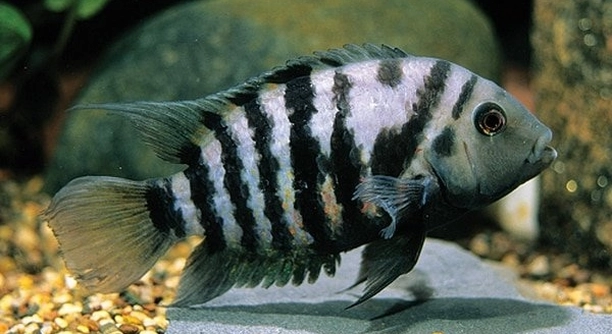
Rift Lake cichlids are popular freshwater fish known for their bright colors and interesting behaviors. Many aquarium hobbyists enjoy keeping these species, but mixing different types can sometimes cause unexpected results. Understanding what happens when these fish share a tank is important for their care.
Mixing Rift Lake cichlids can lead to aggression, territorial disputes, and stress among the fish. Different species have varied temperaments and habitat needs, which may cause conflicts and impact their health. Proper tank setup and species compatibility are essential to minimize these issues.
Knowing the effects of combining these cichlids will help you create a healthier, more balanced aquarium environment for your fish to thrive in.
Aggression and Territorial Behavior
Rift Lake cichlids are known for their strong territorial instincts. When mixed in the same tank, these fish often compete for space, leading to aggressive behavior. This aggression can include chasing, nipping, and displaying dominance through color changes or body postures. Some species are more aggressive than others, so mixing highly territorial species can cause constant fighting and injury. Providing plenty of hiding spots and visual barriers in the tank can help reduce conflicts, but it won’t eliminate aggression completely. The size of the aquarium also plays a role; smaller tanks make it harder for fish to establish territories without overlapping. Overstocking or mixing incompatible species increases stress levels and weakens their immune systems. It’s important to carefully research each species’ temperament and habitat requirements before combining them. Monitoring their behavior closely will help you intervene early if aggression becomes a problem. Overall, managing aggression is a key part of keeping mixed Rift Lake cichlids healthy.
Tank setup greatly influences aggression levels in Rift Lake cichlids.
Careful planning of tank layout and fish selection can reduce territorial conflicts and improve fish well-being.
Breeding and Hybridization
Rift Lake cichlids can sometimes breed with different species when kept together, leading to hybrid offspring. This happens especially when closely related species share the same environment. While some aquarists may find hybrids interesting, this can cause problems for conservation and species purity. Hybrid fish may display unusual colors or behaviors, but they often lack the resilience and stability of purebred species. In captivity, hybrids may also confuse breeding programs aimed at preserving natural species. To avoid unintentional hybridization, keep only one species or compatible species groups in a single tank. Providing proper conditions for natural breeding behaviors will help maintain the health and genetics of your cichlids. It is also important to separate males and females if hybridization is not desired. By managing breeding carefully, you can enjoy the unique traits of Rift Lake cichlids while supporting their natural diversity.
Hybrid offspring may lack genetic stability compared to pure species.
Managing breeding behaviors helps protect species traits in captivity.
Diet Competition
When Rift Lake cichlids are mixed, competition for food can become an issue. More aggressive fish may dominate feeding spots, leaving others underfed.
Food competition affects the health and growth of less aggressive species. It is important to provide enough food spread throughout the tank to ensure all fish get a fair share. Using sinking pellets alongside floating flakes can help, as different species feed at various water levels. Feeding smaller amounts more frequently can reduce aggression around feeding times and improve overall nutrition. Watching fish during feeding will help identify if some are being left out, allowing adjustments to feeding strategies.
Overfeeding to avoid competition can lead to poor water quality. Balancing quantity and frequency is essential for a healthy tank environment.
Water Conditions and Stress
Mixed Rift Lake cichlids may have slightly different water requirements, causing stress if conditions are not ideal for all species.
Water parameters like pH, hardness, and temperature must be within a suitable range for every species in the tank. Stress from poor water conditions weakens immune systems and increases disease risk. Frequent testing and partial water changes help maintain stable conditions. Some species prefer rocky environments with higher pH, while others tolerate softer water better. Acclimating new fish slowly reduces shock and stress. Stress can also worsen aggression, creating a cycle that harms fish health. Maintaining consistent water quality and monitoring fish behavior closely is vital when keeping mixed Rift Lake cichlids.
Tank Size and Space
Tank size plays a crucial role when mixing Rift Lake cichlids. Small tanks increase stress and aggression.
Providing enough space allows fish to establish territories and reduces conflict. Larger tanks are better suited for multiple species.
Species Compatibility
Not all Rift Lake cichlids can coexist peacefully. Some species have very different temperaments or habitat needs. Careful research on compatible species is necessary to avoid constant fighting and stress in the tank.
Signs of Stress
Signs of stress include faded colors, hiding, and loss of appetite. Recognizing these early helps prevent serious health problems.
Managing Aggression
Using rocks and decorations to create hiding spots can reduce aggression by breaking sight lines and offering refuge to shy fish.
FAQ
What happens if I mix aggressive Rift Lake cichlids with peaceful species?
Mixing aggressive and peaceful Rift Lake cichlids often results in stress and injury for the peaceful species. Aggressive fish tend to dominate the tank, chasing or bullying the calmer ones. This imbalance can cause the peaceful fish to hide constantly, lose appetite, and become more susceptible to disease. To prevent this, it’s best to keep fish with similar temperaments together and avoid placing very aggressive species with timid ones.
Can different Rift Lake cichlid species live together peacefully?
Yes, some Rift Lake cichlids can coexist peacefully if they have compatible behaviors and similar environmental needs. Species that share similar temperaments and space requirements tend to have fewer conflicts. However, even with compatible species, territorial disputes can occur, so it’s important to provide enough space and hiding spots to reduce aggression.
How can I reduce aggression in a mixed Rift Lake cichlid tank?
Aggression can be reduced by increasing tank size, adding rocks or plants for hiding spots, and keeping the tank well-stocked to spread out territorial behavior. Feeding fish frequently with small amounts of food also helps. Rearranging the tank layout occasionally prevents fish from establishing fixed territories, which can lower aggression.
Will mixing Rift Lake cichlids cause hybridization?
Yes, mixing closely related Rift Lake cichlid species can lead to hybrid offspring. While some people find hybrids visually interesting, they often have weaker genetics and can disrupt conservation efforts. To avoid this, it’s best to keep only one species or species groups unlikely to crossbreed in the same tank.
How important is water quality when mixing Rift Lake cichlids?
Water quality is critical. Different species might have varying tolerances to pH, hardness, and temperature. Poor water quality increases stress, leading to illness and increased aggression. Regular testing and partial water changes help keep water conditions stable, supporting fish health and reducing conflicts.
What tank size is suitable for mixing Rift Lake cichlids?
A larger tank is always better when mixing Rift Lake cichlids. Small tanks restrict territory and increase aggression. A minimum of 55 gallons is recommended for multiple species, but bigger tanks allow fish to spread out and establish their own spaces, leading to a calmer environment.
How do I know if my Rift Lake cichlids are stressed?
Signs of stress include faded or dull colors, hiding more than usual, loss of appetite, and erratic swimming. Stressed fish may also show signs of disease more often. Observing your fish regularly helps catch stress early and allows you to adjust tank conditions or separate aggressive individuals.
Can diet affect behavior in mixed Rift Lake cichlids?
Yes, diet impacts fish behavior. If food is scarce or unevenly distributed, more aggressive fish may dominate feeding areas, leaving others hungry and stressed. Offering a varied diet spread around the tank and feeding smaller amounts more often helps reduce competition and keeps all fish healthy.
Is it necessary to quarantine new Rift Lake cichlids before mixing?
Quarantining new fish is highly recommended. It helps prevent introducing diseases to your established tank and reduces stress on new arrivals. A quarantine period of at least two weeks allows you to observe for illness and treat any problems before adding fish to the main aquarium.
What decorations work best to manage Rift Lake cichlid aggression?
Using rocks, caves, and plants creates natural barriers and hiding spots. These help break up the line of sight between aggressive fish and provide refuges for shy species. Avoid open tanks with few decorations, as this increases territorial disputes and stress. Rearranging decorations occasionally also prevents territory fixation.
When mixing Rift Lake cichlids, it is important to remember that these fish have strong personalities and specific needs. Their natural behaviors include defending territory and competing for food and mates. Because of this, conflicts and stress can easily arise when different species are placed together without careful planning. Understanding their behaviors and tank requirements helps create a more balanced environment. This reduces the risk of injury and disease and supports healthier fish overall.
Setting up the aquarium properly is key to success. Providing enough space, plenty of hiding spots, and maintaining stable water conditions are essential steps. Larger tanks allow fish to spread out and avoid constant contact, which lowers aggression. Decorations like rocks and caves help break sight lines and give shy fish a place to escape. Water quality must be monitored and kept within ranges suitable for all species in the tank. Feeding routines should be consistent and designed to prevent food competition. These factors all work together to create a calmer and healthier aquarium where multiple Rift Lake cichlids can coexist.
Mixing Rift Lake cichlids can be rewarding but requires attention and care. It is best to research the species you want to keep and understand their temperament and needs before combining them. Watching fish behavior closely helps catch early signs of stress or aggression so adjustments can be made. When done thoughtfully, a mixed Rift Lake cichlid tank can display beautiful colors and interesting interactions. However, patience and ongoing maintenance are necessary to ensure the well-being of all the fish in the aquarium.

Hello,
If you enjoy the content that we create, please consider saying a "Thank You!" by leaving a tip.
Every little bit helps us continue crafting quality advice that supports the health, happiness, and well-being of pets around the world, for pets of all shapes, sizes, and species.
We really appreciate the kindness and support that you show us!