
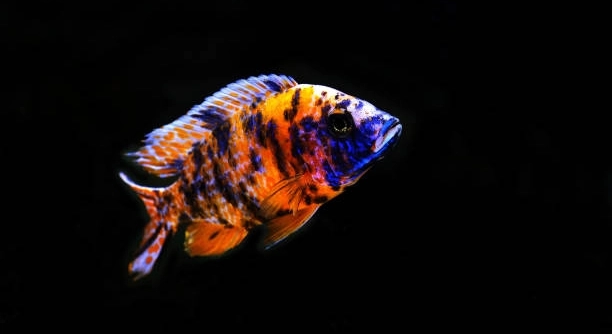
African cichlids are popular aquarium fish known for their vibrant colors and lively behavior. Many hobbyists want to create the best environment for them. A common concern is whether these fish can live without the aid of air pumps in their tanks.
African cichlids can survive without air pumps as long as the tank has adequate surface agitation and proper filtration. These fish obtain oxygen primarily through the water, and good water movement ensures sufficient oxygen exchange. However, air pumps help maintain water quality and oxygen levels, especially in crowded tanks.
Understanding how oxygen moves in the tank and the role of equipment is essential for keeping cichlids healthy. This article will explain what cichlids need to thrive without relying solely on air pumps.
Oxygen Needs of African Cichlids
African cichlids require well-oxygenated water to stay healthy and active. In their natural habitat, they live in clear, fast-moving lakes with plenty of oxygen. In an aquarium, this oxygen must come from the water’s surface and movement. Without enough oxygen, fish can become stressed or even die. An air pump helps increase oxygen levels by creating bubbles that move oxygen through the water. However, good filtration and water flow from a filter can also provide enough surface agitation to keep oxygen levels stable. Tank size and the number of fish play a role in oxygen needs as well. Smaller tanks with many fish may struggle without an air pump, while larger, well-filtered tanks can sometimes manage without one. Maintaining water quality by regularly changing water also helps keep oxygen levels adequate, supporting the overall health of your cichlids.
A healthy aquarium balances oxygen supply with fish demand. Proper care reduces the risk of oxygen shortage.
Ensuring proper aeration depends on tank conditions and maintenance. Monitoring fish behavior can help you spot oxygen problems early and adjust equipment as needed for a thriving environment.
Alternatives to Air Pumps for Aeration
Surface agitation from filters and powerheads can be enough to oxygenate water for African cichlids. Using a filter that pushes water towards the surface helps oxygen enter the tank naturally without extra equipment. Some tank setups use sponge filters or canister filters, which provide gentle water movement suitable for cichlids. Live plants also contribute to oxygen levels during the day by producing oxygen through photosynthesis. However, plants consume oxygen at night, so this balance should be considered. Adding decor or arranging the tank to maximize water movement near the surface helps improve gas exchange. Regular water changes remain one of the most effective ways to keep oxygen and water quality high. In cases where fish load is low and tank maintenance is consistent, air pumps may not be necessary. Still, in heavily stocked tanks, an air pump adds a valuable safety margin to prevent oxygen depletion.
Signs That Your Cichlids Need More Oxygen
Fish gasping at the surface or staying near the filter outlet can indicate low oxygen. Lethargy and loss of appetite also suggest stress from poor oxygen levels.
Behavior changes in African cichlids are often the first clues. If they frequently swim near the water surface or crowd around areas where water moves more, it means they are trying to find oxygen. You might notice them breathing faster, which signals difficulty in getting enough oxygen. A drop in activity and appetite can follow, affecting their health. Observing these signs early helps you take action before it worsens.
To avoid stress and illness, make sure your tank provides consistent water movement and proper aeration. Regular checks on fish behavior can prevent oxygen-related problems and maintain a stable environment for your cichlids.
Maintaining Oxygen Levels Without an Air Pump
Proper filtration and water changes are key to maintaining oxygen levels. Filters create surface movement, helping oxygen dissolve in the water, while water changes replace old, oxygen-depleted water.
Keeping your tank clean with frequent water changes removes waste and harmful chemicals that lower oxygen. A strong filter system encourages water circulation and surface agitation, which are essential for oxygen exchange. Adjusting the filter output to disturb the water surface more can improve oxygen levels. Using live plants adds oxygen during daylight hours, but be cautious at night when plants consume oxygen. Avoid overcrowding the tank, as too many fish increase oxygen demand beyond what the system can supply. Balancing these factors lets you maintain healthy oxygen levels without relying on an air pump.
Choosing the Right Filter for Cichlids
A good filter should provide strong water movement and efficient biological filtration. It helps keep the water clean and oxygen-rich.
Canister filters and hang-on-back filters are popular choices. They create enough surface agitation without stressing the fish.
Tank Size and Its Impact on Oxygen
Larger tanks generally hold more oxygen and are easier to maintain stable oxygen levels. Smaller tanks can quickly run low on oxygen if overcrowded or poorly maintained.
Keeping fish density appropriate for the tank size is essential. Overcrowding raises oxygen demand and wastes buildup.
Using Live Plants to Support Oxygen
Live plants increase oxygen during the day through photosynthesis. They also absorb harmful nitrates, improving water quality.
However, plants consume oxygen at night. Balance is important to avoid nighttime oxygen dips.
When to Use an Air Pump
Air pumps add oxygen and increase surface agitation. They are helpful in crowded or poorly filtered tanks.
Can African cichlids survive without an air pump?
Yes, African cichlids can live without an air pump if the tank provides sufficient water movement and oxygen exchange. Proper filtration and regular maintenance help maintain oxygen levels. Air pumps are not always necessary, especially in larger, well-aerated tanks.
What happens if my cichlids don’t get enough oxygen?
If oxygen levels drop, cichlids may gasp at the surface or become lethargic. They might lose their appetite and show signs of stress. Prolonged low oxygen can lead to illness or death, so monitoring behavior is crucial.
Can filters replace air pumps for oxygenation?
Filters create water circulation and surface agitation, which helps oxygen dissolve in the water. Good filters can often replace air pumps by maintaining adequate oxygen levels through water movement.
Do live plants help with oxygen in cichlid tanks?
Live plants produce oxygen during the day via photosynthesis, improving water quality. However, they consume oxygen at night, so it’s important not to rely solely on plants for oxygen supply.
How often should I do water changes to maintain oxygen?
Regular water changes—about 20-30% weekly—help keep oxygen levels stable by removing waste and replenishing oxygen-rich water. This also prevents the buildup of harmful substances that reduce oxygen availability.
Is tank size important for oxygen levels?
Yes, larger tanks generally hold more oxygen and provide a more stable environment. Small tanks with many fish can quickly run low on oxygen if not properly aerated.
Can overcrowding cause oxygen problems?
Overcrowding increases oxygen demand and waste production, which can quickly lower oxygen levels. Maintaining appropriate stocking levels is key to preventing oxygen shortages.
When should I consider adding an air pump?
Use an air pump if your tank is heavily stocked, has poor filtration, or shows signs of low oxygen such as fish gasping. It provides extra oxygen and surface agitation, which supports fish health.
Will an air pump improve water quality?
Indirectly, yes. By increasing oxygen and water movement, air pumps support beneficial bacteria in filters that break down toxins, helping maintain cleaner water.
Are there any downsides to using air pumps?
Air pumps can create noise and bubbles that some hobbyists find distracting. Overuse may stress fish if water movement is too strong. Choosing the right size and placement reduces these issues.
Can I use natural methods only to oxygenate my tank?
Natural methods like live plants and regular water changes help but might not be enough in all setups. Combining these with proper filtration ensures stable oxygen levels.
How can I tell if my filter is providing enough oxygen?
Look for surface movement and fish behavior. If water surface is still and fish are gasping, oxygen might be low. Adjust filter flow or add equipment to improve circulation.
What maintenance helps keep oxygen levels up?
Cleaning filters regularly, doing timely water changes, and avoiding overfeeding all help maintain water quality and oxygen levels.
Can temperature affect oxygen availability?
Yes, warmer water holds less oxygen. Keeping the tank within the recommended temperature range for cichlids helps maintain proper oxygen levels.
Do different species of African cichlids have different oxygen needs?
Some species tolerate lower oxygen better than others, but all need sufficient aeration to stay healthy. Research specific species requirements when setting up your tank.
Is it safe to turn off the air pump at night?
It’s generally better to keep air pumps running continuously to ensure stable oxygen. Turning them off can lower oxygen, especially with live plants consuming oxygen at night.
What are signs of healthy oxygen levels?
Active swimming, regular breathing rates, and normal appetite indicate good oxygen. Clear water and stable temperature also support healthy oxygen conditions.
Can I rely on water surface area for oxygen?
A larger surface area improves oxygen exchange. Using a wider tank or removing a tank cover to allow more air contact can help increase oxygen levels naturally.
How does water hardness affect oxygen?
Water hardness doesn’t directly affect oxygen but influences fish health. Maintaining proper water chemistry supports overall tank balance, indirectly benefiting oxygen availability.
Can I use multiple smaller air pumps instead of one big one?
Multiple smaller pumps can provide better coverage and reduce noise. They allow more flexible placement to improve oxygenation throughout the tank.
How important is tank placement for oxygen levels?
Keeping the tank away from direct sunlight and heat sources helps maintain stable temperature and oxygen levels. Good airflow around the tank also supports oxygen exchange.
Are bubblers the same as air pumps?
Bubblers are powered by air pumps and create bubbles that increase oxygen exchange. They are a common and effective way to aerate the water.
What should I do if I notice low oxygen signs but have an air pump?
Check if the air pump is working properly, clean filters, and perform a water change. Consider increasing surface agitation or upgrading equipment if needed.
Does gravel or substrate affect oxygen levels?
Substrate can trap waste that reduces water quality. Regular cleaning prevents buildup and supports healthy oxygen levels by keeping the tank environment clean.
How can I improve oxygen levels without equipment?
Increasing surface agitation by hand or gently stirring water during water changes can temporarily boost oxygen. However, consistent equipment is best for long-term health.
Is an air pump necessary for breeding African cichlids?
While not always necessary, an air pump can improve water quality and oxygen, supporting the health of breeding pairs and fry.
Can fish behavior help diagnose oxygen issues early?
Yes, observing changes like gasping, lethargy, or hiding can signal oxygen problems before serious harm occurs, allowing timely intervention.
African cichlids are resilient fish that can adapt to various aquarium conditions, including environments without air pumps. Their ability to survive depends largely on how well the tank supports oxygen exchange. Good filtration systems, regular water changes, and proper tank maintenance play essential roles in creating a healthy habitat. While air pumps are helpful tools, especially in tanks with many fish or limited surface agitation, they are not always necessary for these fish to thrive. Understanding the balance between oxygen supply and demand helps in providing a comfortable and safe environment for your cichlids.
It is important to keep in mind that oxygen levels can vary depending on tank size, stocking density, and equipment used. Smaller tanks or those with heavy fish loads require more attention to aeration. In these situations, air pumps can be a simple and effective way to increase oxygen levels and improve water movement. On the other hand, larger tanks with strong filtration and proper surface agitation may supply enough oxygen naturally. Adding live plants can contribute to oxygen during the day, but their oxygen consumption at night should be considered. Monitoring your fish’s behavior is a useful way to detect if oxygen levels are sufficient. Signs like gasping, sluggishness, or loss of appetite often indicate a need for better aeration.
Maintaining a healthy aquarium environment for African cichlids involves balancing several factors, including oxygenation, water quality, and tank setup. Regular maintenance such as cleaning filters, doing water changes, and avoiding overcrowding will help keep oxygen levels stable. While air pumps are beneficial in many setups, they are one part of a broader system that supports fish health. Paying close attention to tank conditions and fish behavior ensures that your cichlids remain healthy without relying solely on mechanical aeration. In the end, understanding your specific tank needs and making adjustments accordingly is the best approach to caring for these colorful and lively fish.

Hello,
If you enjoy the content that we create, please consider saying a "Thank You!" by leaving a tip.
Every little bit helps us continue crafting quality advice that supports the health, happiness, and well-being of pets around the world, for pets of all shapes, sizes, and species.
We really appreciate the kindness and support that you show us!