
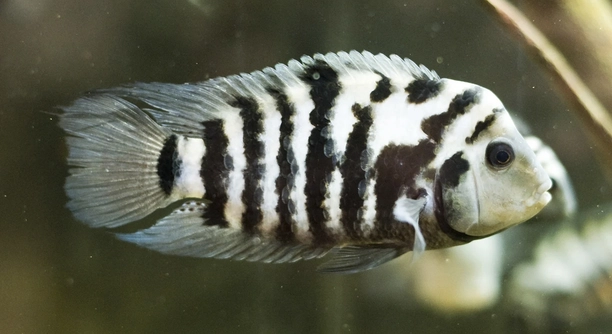
Many aquarium owners struggle to keep plants alive when cichlids share the tank. These fish often uproot or nibble on plants, making it hard to maintain a green, healthy environment. Finding resilient plants is key to a thriving tank.
Certain hardy plants are less likely to be destroyed by cichlids due to their tough leaves, strong roots, or growth patterns. Species such as Anubias, Java Fern, and Vallisneria show high resistance, making them ideal choices for cichlid tanks.
Choosing the right plants can transform your aquarium and reduce maintenance efforts. The following list highlights easy options that withstand the unique challenges posed by cichlids.
Anubias: Tough and Low Maintenance
Anubias plants are well known for their resilience in cichlid tanks. Their thick, waxy leaves discourage fish from nibbling, and their strong rhizomes anchor them securely to rocks or driftwood. They grow slowly but steadily, making them ideal for aquarists who want plants that require minimal care. Because they don’t need to be planted in substrate, Anubias can avoid being uprooted by digging fish. These plants also tolerate low light conditions, which helps reduce algae growth and keeps the tank looking clean. Their versatility means they can thrive in many tank setups without special fertilizers or CO₂ injections. Overall, Anubias is a great choice for anyone struggling to keep plants alive around cichlids.
Anubias plants are hardy, require little light, and rarely get eaten by cichlids, making them a top choice for easy tank greenery.
Using Anubias can enhance your tank’s appearance while lowering maintenance. Attach them to decorations or rocks to keep them safe from digging fish. Their slow growth means you won’t have to trim them often, and their ability to survive in low light allows you to avoid expensive lighting setups. These qualities make Anubias practical and beautiful for cichlid tanks.
Java Fern: Easy and Durable
Java Fern is a popular aquatic plant that cichlids usually leave alone because of its tough texture.
Java Fern grows by attaching its roots to rocks or driftwood rather than being buried in substrate, which helps prevent damage from cichlids that dig around the tank. It has thick leaves that are less appealing to fish looking for snacks. This plant also adapts well to various water conditions and lighting levels, making it very forgiving for beginners. Unlike many plants, Java Fern doesn’t need constant trimming or fertilizing, which saves time. It’s slow growing but durable, so it will maintain a steady presence in your tank. This makes it a reliable option to create natural hiding spots for your fish and improve your tank’s visual appeal without worrying about it being destroyed quickly.
Because it attaches to hard surfaces and resists nibbling, Java Fern remains mostly intact in tanks with active cichlids.
Vallisneria: Fast-Growing and Resilient
Vallisneria grows quickly, helping to outpace algae and fill empty spaces in the tank. Its long, ribbon-like leaves provide cover for fish without being easily damaged.
This plant spreads by sending out runners, which helps it form dense underwater meadows that cichlids find difficult to uproot. Its roots are strong and anchored deeply in the substrate, providing stability even when fish dig around. Vallisneria also tolerates a wide range of water conditions and lighting levels, making it flexible for many setups. Because it grows rapidly, it can help maintain water quality by absorbing excess nutrients. However, it may need occasional trimming to keep it tidy and prevent overcrowding.
Vallisneria’s ability to grow fast and hold its place in the tank makes it a useful plant for cichlid owners who want natural decoration and easier maintenance. It adds movement and texture without requiring much extra care.
Amazon Sword: Robust and Popular
Amazon Sword plants are widely favored for their large, broad leaves that resist damage from most cichlids. Their strong root systems help anchor them well in the substrate.
This plant thrives in moderate to high lighting and benefits from nutrient-rich substrate, but it can tolerate less ideal conditions if needed. The broad leaves provide shelter for fish while discouraging nibbling because of their thickness. Amazon Swords grow relatively quickly compared to other hardy plants, which helps them compete with algae for resources. While they require occasional trimming to remove older leaves, their robust nature means they often bounce back quickly from minor damage. This makes Amazon Swords a reliable and attractive choice for tanks with larger, more active cichlids.
Cryptocoryne: Slow-Growing and Hardy
Cryptocoryne plants grow slowly but are very sturdy, making them hard for cichlids to damage. They adapt well to different water conditions, which adds to their resilience.
Their tough leaves discourage fish from nibbling, and they develop strong roots that help keep them anchored in the substrate.
Hornwort: Floating and Flexible
Hornwort is a fast-growing, floating plant that cichlids usually ignore. It provides good hiding spots and helps improve water quality by absorbing excess nutrients.
Because it doesn’t root in the substrate, it avoids being uprooted by digging fish, making it an excellent choice for tanks with active cichlids.
Java Moss: Dense and Protective
Java Moss forms dense mats that offer shelter and reduce aggression among cichlids. It grows on decorations and driftwood rather than in substrate, so it resists uprooting well.
Its fast growth and ability to trap debris also help keep the tank cleaner, benefiting both plants and fish.
FAQ
Which plants are best for tanks with aggressive cichlids?
Plants like Anubias, Java Fern, and Cryptocoryne are excellent choices. They have tough leaves and strong roots, which help prevent damage from digging or nibbling. Floating plants like Hornwort also work well since they avoid contact with the substrate where cichlids dig most.
How do I protect plants from being uprooted by cichlids?
Attaching plants such as Anubias and Java Fern to rocks or driftwood keeps them out of the substrate, reducing the risk of uprooting. Using heavy gravel or compact substrate also helps anchor rooted plants better. Regular trimming can keep plants healthy and less likely to be disturbed.
Can cichlids eat all aquarium plants?
Not all plants are equally vulnerable. Cichlids tend to avoid tough, thick-leaved plants like Amazon Sword or Vallisneria because they are harder to chew. Softer plants with delicate leaves are more likely to be eaten or damaged.
Will fast-growing plants help maintain water quality?
Yes, fast growers like Vallisneria and Hornwort absorb excess nutrients quickly, reducing algae growth and improving water quality. This helps keep the tank balanced, especially when combined with proper filtration and regular water changes.
Do I need special lighting for these hardy plants?
Most of the plants mentioned do well under low to moderate lighting. Anubias and Java Fern can survive in low light, while Amazon Sword and Vallisneria prefer moderate light. Strong lighting isn’t necessary unless you want rapid growth or more delicate plants.
Is fertilizing necessary for plants in cichlid tanks?
Fertilizing helps plants grow healthier, especially those with higher nutrient needs like Amazon Sword. However, many hardy plants like Cryptocoryne and Java Fern can survive with minimal fertilization, especially if fish waste provides natural nutrients.
How often should I trim plants in a cichlid tank?
Trimming depends on growth rate. Fast growers like Vallisneria may need trimming every few weeks to prevent overcrowding. Slow growers like Anubias require less frequent trimming. Removing dead or damaged leaves helps maintain plant health and tank cleanliness.
Can plants reduce aggression in cichlid tanks?
Yes, dense plants like Java Moss and Vallisneria provide hiding spots and visual barriers, which help reduce stress and aggression among fish. Well-planted tanks can create a more natural environment that supports fish wellbeing.
What substrate works best for planted cichlid tanks?
A heavier, nutrient-rich substrate supports root growth and prevents plants from being uprooted. Sand can be problematic with digging cichlids unless covered with rocks or decorations. Gravel or specialized planted substrates are often preferred.
Are floating plants a good option for cichlid tanks?
Floating plants like Hornwort are beneficial because they don’t rely on the substrate and provide shade, reducing light intensity. This can help control algae and create comfortable conditions for fish. They are easy to remove or relocate if needed.
Final Thoughts
Choosing the right plants for a cichlid tank can make a big difference in how your aquarium looks and feels. Hardy plants like Anubias, Java Fern, and Vallisneria offer durability that many other plants lack when faced with active or aggressive fish. These plants can survive digging, nibbling, and rough conditions while still providing a natural and healthy environment for your cichlids. Selecting plants that are resistant to damage not only reduces frustration but also cuts down on the time and effort spent replacing or repairing damaged greenery.
It is important to remember that no plant is completely indestructible in a cichlid tank, but many species have qualities that help them hold their ground better than others. Fast-growing plants like Vallisneria and Hornwort help maintain water quality by absorbing excess nutrients, which benefits the entire tank ecosystem. Plants with thick, tough leaves discourage fish from eating them, while those that attach to hard surfaces avoid being uprooted. Combining these types of plants creates a balanced and low-maintenance aquarium that stays attractive and functional.
Maintaining a planted cichlid tank requires patience and some adjustments over time. Providing the right substrate, lighting, and occasional trimming will keep plants healthy and stable. Protecting plants by attaching them to rocks or driftwood and choosing species suited to your tank’s conditions can reduce damage and improve fish behavior by offering shelter and hiding spaces. With thoughtful plant choices and proper care, you can enjoy a vibrant, thriving aquarium that benefits both your cichlids and your peace of mind.

Hello,
If you enjoy the content that we create, please consider saying a "Thank You!" by leaving a tip.
Every little bit helps us continue crafting quality advice that supports the health, happiness, and well-being of pets around the world, for pets of all shapes, sizes, and species.
We really appreciate the kindness and support that you show us!