
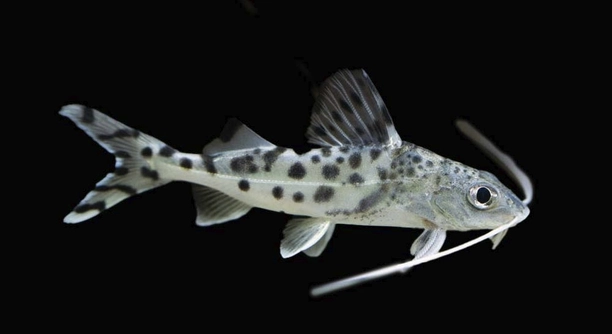
Have you ever brought home a new fish and started wondering if the tap water in your home is safe for their tank?
Tap water can be used in fish tanks, but it must be properly treated first. Untreated tap water contains chlorine and other chemicals that can harm or even kill fish. Using a water conditioner neutralizes these harmful substances.
Knowing how to prepare tap water correctly can make a big difference in keeping your fish safe, healthy, and stress-free.
Why Tap Water Needs Treatment
Tap water might seem fine at first, but it often contains chlorine, chloramine, and heavy metals. These are added to make water safe for humans but can be harmful to fish. Chlorine can irritate a fish’s gills and skin, while chloramine is even more stable and harder to remove. These chemicals can cause stress, illness, or even death in fish if the water isn’t properly treated. A water conditioner is the most common and easiest solution. It works instantly to neutralize harmful substances, making tap water safe. You can find liquid conditioners at most pet stores. They’re affordable and easy to use—just add the recommended amount based on your tank size. Always read the label to make sure it removes both chlorine and chloramine. Some also detoxify ammonia and heavy metals, which is helpful for sensitive species. Treating the water before adding it to the tank keeps your fish safe.
Using untreated tap water in a tank can lead to stress, health problems, or sudden deaths in fish. It’s not worth the risk.
Tap water can be convenient, but without proper treatment, it may silently harm your fish over time. Conditioning the water ensures their home is stable, comfortable, and safe for long-term health.
How to Make Tap Water Safe
Treating tap water is simple, but it must be done correctly every time.
Start by filling a clean container with tap water. Add the right amount of water conditioner according to the product’s directions. Mix it gently and wait a few minutes—most conditioners work immediately, but check the label just in case. Once treated, the water can safely go into the tank. If you’re doing a partial water change, try to match the temperature of the new water with what’s already in the tank. This helps prevent temperature shock. For larger tanks or more sensitive fish, using a test kit to monitor ammonia, pH, and chlorine levels is a good idea. Some aquarists let water sit for 24 hours to let chlorine naturally dissipate, but this doesn’t remove chloramine. That’s why conditioner is still necessary. You don’t need fancy equipment—just clean buckets, a thermometer, and a good conditioner. Making this a regular habit helps keep your tank environment steady and safe.
Common Mistakes to Avoid
One common mistake is skipping water conditioner when refilling the tank. Some assume small amounts won’t hurt, but even trace chlorine can cause harm over time. Another mistake is using hot tap water directly, which may contain extra metals.
Overfeeding your fish during or after a water change is another issue. Fish may already be stressed from the water shift, and leftover food can quickly turn into waste, affecting water quality. Always wait a bit before feeding. Also, using soap to clean tank supplies is unsafe—residue can be toxic. Stick to warm water or aquarium-safe cleaners. Rushing through the process or forgetting to check the temperature of new water can shock your fish. A sudden shift in temperature, even just a few degrees, can stress their immune systems. Taking a little extra care with each step helps avoid problems that can easily be prevented.
Topping off a tank instead of doing proper water changes is another mistake. This doesn’t remove waste and leads to buildup. Some people also forget to clean filter media regularly but rinse it with untreated tap water, killing good bacteria. Always use treated or tank water when rinsing filters.
When Tap Water Is Not Enough
Some water sources contain more than just chlorine and chloramine. Depending on where you live, your tap water might have high levels of nitrate, ammonia, or minerals that make the water too hard for certain fish.
In these cases, basic conditioning may not be enough. You might need additional treatments like water softeners, pH adjusters, or ammonia detoxifiers. It helps to test your tap water regularly, especially if you notice signs of stress in your fish, such as gasping, color loss, or erratic swimming. If your fish require very specific water parameters, like certain tropical or sensitive species, you may need to use reverse osmosis (RO) water or mix RO water with conditioned tap water. RO systems remove almost all minerals and chemicals, giving you full control over your tank’s conditions. While more expensive, this option is useful for advanced setups. Tap water works for most people, but some setups need a little more attention to detail.
Signs Your Water Isn’t Safe
If your fish are gasping near the surface, it may mean the water lacks enough oxygen or has harmful chemicals. Sudden changes in behavior like hiding, darting, or sitting at the bottom can also be early warning signs of water problems.
Cloudy water, strong odors, or sudden algae growth may point to imbalanced water conditions. If you notice white patches, torn fins, or color loss, your fish could be reacting to poor water quality. Testing the water helps confirm if something’s off before it becomes serious.
Alternatives to Tap Water
If your tap water remains problematic even after treatment, using bottled spring water or reverse osmosis (RO) water might help. Spring water still needs testing, as it can vary by brand. RO water removes almost everything and gives you a clean base to work with. This is useful for delicate species.
Final Thoughts
Keeping your tank water safe doesn’t need to be hard. With a few simple steps, your fish can thrive.
FAQ
Can I use tap water directly without treating it?
Using tap water directly without treatment is risky. Most tap water contains chlorine or chloramine, which are harmful to fish. Even small amounts can cause stress, illness, or death. Always use a water conditioner to neutralize these chemicals before adding water to your tank. This simple step ensures your fish stay healthy and comfortable.
How do I know if my tap water has chloramine?
Many water providers add chloramine instead of chlorine because it lasts longer in the pipes. You can check with your local water utility online or by calling them. Some test kits also detect chloramine, but not all. When in doubt, treat tap water with a conditioner that neutralizes both chlorine and chloramine.
Can I use boiled tap water for my tank?
Boiling tap water removes chlorine but not chloramine, so it’s not enough by itself. Boiling also won’t remove heavy metals or other contaminants. A water conditioner is still necessary. Boiled water should be cooled to the proper temperature before use to avoid shocking your fish.
How often should I change my tank water?
Partial water changes of about 10-25% should be done weekly or biweekly, depending on tank size and fish load. Regular changes remove waste and keep water parameters stable. Always use treated water at the same temperature as the tank to prevent stress.
Can I use filtered tap water?
Using filtered tap water from household filters like carbon or reverse osmosis (RO) units can help, but not all filters remove chloramine or heavy metals. Carbon filters reduce chlorine but may not remove chloramine fully. RO water is best for sensitive fish but should be remineralized before use.
Is bottled water safe for fish tanks?
Bottled spring or purified water may seem safe but can vary widely in mineral content and pH. It’s best to test bottled water before use and condition it if necessary. Some bottled water lacks essential minerals fish need, so it’s not always a perfect solution.
What should I do if my fish show signs of distress after a water change?
If fish show gasping, hiding, or erratic swimming, check water parameters immediately. Test for ammonia, nitrites, pH, and temperature. If any are off, perform a partial water change with properly treated water. Avoid sudden changes in temperature or chemistry to reduce stress.
Can I use tap water for reptiles or amphibians in tanks?
Reptiles and amphibians have different water needs, but tap water often needs treatment for chlorine and chloramine. Check species-specific requirements since some are more sensitive. Using conditioned water or filtered water can help keep their environment safe and healthy.
How do I store treated tap water?
Store treated water in a clean container with a lid to prevent contamination. Use it within 24-48 hours for best results. Keep it at room temperature or close to tank temperature to avoid stressing fish when adding water. Stir gently before use to reintroduce oxygen.
Can I skip water conditioning if I use a large tank with lots of plants?
Plants help absorb some toxins, but they cannot remove chlorine or chloramine. These chemicals will still harm fish directly. Water conditioning is always necessary regardless of tank size or plant presence. Plants improve water quality but don’t replace proper water treatment.
What is the best water conditioner to use?
The best water conditioner depends on your needs. Look for products that remove both chlorine and chloramine, neutralize heavy metals, and detoxify ammonia. Popular brands include Seachem Prime and API Tap Water Conditioner. Always follow the dosing instructions carefully for safety.
How long should I wait after adding conditioner before putting fish back?
Most water conditioners work instantly, so fish can be introduced immediately after treatment. However, waiting a few minutes allows the conditioner to fully neutralize harmful chemicals. This ensures a safer environment for your fish during transfer.
Will tap water hardness affect my fish?
Yes, water hardness affects fish health. Some species prefer soft water, while others thrive in hard water. Tap water hardness varies by location and may need adjustment. Using water softeners or blending with RO water helps achieve the right hardness for your fish species.
Is it okay to use hot tap water for the tank?
Hot tap water may contain higher levels of metals from plumbing and can shock fish due to temperature. It’s better to use room temperature or slightly warm water and always treat it before adding it to the tank. Avoid using water above your tank’s temperature.
Can I use tap water for breeding fish?
For breeding, water quality is especially important. Tap water should be conditioned and tested for pH, hardness, and ammonia. Some species need very specific water conditions, so adjusting tap water with additives or mixing with RO water may be required to create a safe breeding environment.
What is the risk of not treating tap water?
Untreated tap water can cause gill damage, poisoning, stress, and death in fish. Chlorine and chloramine damage delicate tissues and lower fish immunity. Even if fish survive short exposure, long-term health problems may develop, making water treatment essential for any aquarium owner.
Using tap water for a fish tank is common, but it requires care and attention. While tap water is convenient and easy to get, it often contains chemicals that can harm fish. Treating the water properly before adding it to the tank is essential. Water conditioners that remove chlorine and chloramine make tap water safe and comfortable for fish to live in. Ignoring this step can lead to stress, illness, or even death for your aquatic pets. Taking a little time to prepare the water helps ensure a healthy environment.
It’s important to remember that not all tap water is the same. Depending on where you live, the water may have different levels of minerals, pH, or other elements that affect fish health. For some species, especially delicate or sensitive ones, tap water might need additional treatment or adjustments. Testing the water regularly helps you understand its quality and decide if you need to use extra filters or mix it with purified water. Simple steps like matching water temperature and doing partial water changes regularly can keep fish healthy and happy.
Overall, tap water is a good starting point for most tanks if treated correctly. Using a reliable water conditioner and keeping an eye on water quality will protect your fish. Remember to avoid common mistakes like skipping treatment, using hot water, or neglecting water changes. Every tank is different, so staying informed about your water’s characteristics and your fish’s needs is the best way to provide a safe home. Taking these precautions makes fishkeeping more enjoyable and helps your fish thrive for a long time.

Hello,
If you enjoy the content that we create, please consider saying a "Thank You!" by leaving a tip.
Every little bit helps us continue crafting quality advice that supports the health, happiness, and well-being of pets around the world, for pets of all shapes, sizes, and species.
We really appreciate the kindness and support that you show us!