
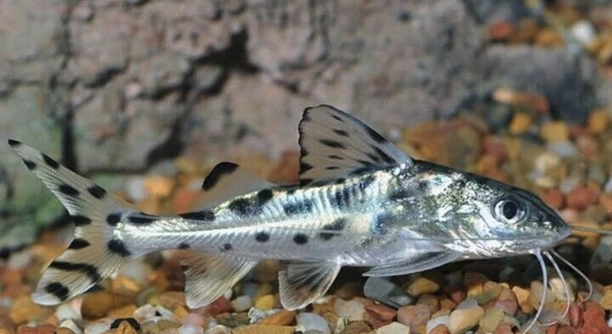
Is your Pictus catfish frequently hitting the glass of its tank? This behavior can be confusing and worrying for many aquarium owners who want their fish to be healthy and happy. Understanding why this happens is important for proper care.
Pictus catfish often hit the glass due to stress, poor water quality, or feeling trapped. They may also be reacting to reflections or searching for food. Addressing these causes helps reduce this behavior and promotes their well-being.
Learning what triggers this action can improve your fish’s environment and overall health. The following information will help you create a better home for your Pictus catfish.
Common Reasons Your Pictus Catfish Hits the Glass
Many Pictus catfish hit the glass because they feel stressed or uncomfortable. This can happen if the tank is too small or crowded. Poor water quality, such as high ammonia or nitrite levels, can also cause discomfort and make them behave oddly. Sometimes, bright lights or sudden movements outside the tank frighten them. Another reason is that these fish are active and curious, so they might be exploring reflections or trying to find food. If they see their reflection, they might mistake it for another fish and react. Understanding these reasons helps to improve their environment and reduce this behavior.
It’s important to keep your tank clean and provide plenty of hiding spots. Good water quality and a calm environment make a big difference in your fish’s comfort.
Making small changes like adding plants or adjusting lighting can help your Pictus catfish feel safer and less likely to hit the glass. Monitoring water parameters regularly keeps their home healthy, supporting natural behavior.
How to Improve Your Tank Environment
Improving the tank environment starts with ensuring proper water conditions. Regular water changes, testing for ammonia, nitrites, and nitrates, and using a good filter all help keep the water clean. The tank should be large enough for the fish to swim freely without feeling cramped. Adding decorations or plants gives them places to hide and feel secure.
A stable temperature between 74 and 79 degrees Fahrenheit is best for Pictus catfish. Avoid sudden changes in temperature or lighting, which can cause stress. Position the tank away from busy areas to reduce disturbances. Feeding your fish a balanced diet with occasional live or frozen foods supports their health and activity levels. Paying attention to these details creates a calm, healthy space where your catfish will be less likely to hit the glass and show other signs of stress.
Signs of Stress in Pictus Catfish
Stress in Pictus catfish can show through unusual behavior like glass hitting, rapid breathing, or hiding more than usual. These signs indicate your fish may not be comfortable or healthy. Spotting these early helps prevent bigger health problems.
When a Pictus catfish is stressed, it may also lose appetite or become less active. Their color might fade, and they might scratch against surfaces. Stress often comes from poor water conditions, overcrowding, or sudden changes in the tank. Recognizing these signs early lets you act quickly to improve their environment and health.
Keeping an eye on your fish daily helps catch stress early. Adjusting water quality, adding hiding spots, or reducing noise can calm your catfish. Sometimes, just rearranging the tank or dimming lights makes a big difference in reducing stress and unwanted behaviors.
Reflection and Territorial Behavior
Pictus catfish may hit the glass because they see their reflection and think it’s another fish. This can cause territorial reactions or confusion, especially if the tank lighting creates strong reflections. Reducing reflections can help.
Covering parts of the tank or using a background reduces reflections that upset your catfish. These fish feel threatened when they see their “rival” and might hit the glass trying to defend their space. Providing plenty of hiding places also helps lessen territorial behavior. Bright or flickering lights often make reflections worse, so adjusting lighting can reduce this problem too. Reducing stress caused by reflections will improve your catfish’s behavior and well-being.
Feeding Habits and Glass Hitting
Sometimes Pictus catfish hit the glass when they are hungry or expect food. They learn to associate the presence of people or tapping sounds with feeding time. This behavior is a way to get attention.
It helps to establish a regular feeding schedule. Avoid tapping the glass, which can encourage this habit and stress your fish.
Tank Size and Space Needs
Pictus catfish need enough room to swim freely and feel comfortable. A tank smaller than 30 gallons can make them feel cramped and stressed. Limited space often leads to restless behavior like hitting the glass.
Providing at least 40 gallons with hiding spots and open swimming areas allows your catfish to behave naturally. Proper space reduces stress and unwanted behaviors.
When to Seek Expert Help
If your Pictus catfish continues hitting the glass despite changes, it might be a sign of illness or injury. Persistent behavior could indicate internal problems that need a vet’s attention.
FAQ
Why does my Pictus catfish keep hitting the glass even though the tank looks fine?
Sometimes the tank may appear clean and well-maintained, but small issues like subtle changes in water parameters or reflections can stress the fish. Even a new decoration or a light change can confuse them. It’s important to test water regularly and observe if any environmental changes happened recently.
Is glass hitting harmful to my Pictus catfish?
Repeatedly hitting the glass can cause stress and sometimes physical harm, like bruising or damage to their barbels (whisker-like feelers). Stress weakens their immune system, making them more prone to diseases. It’s best to reduce this behavior by improving their environment.
Can tapping on the glass cause this behavior?
Yes, tapping on the glass can make your catfish anxious or excited. They may associate tapping with feeding or threats, which leads to glass hitting as a reaction. Avoid tapping to keep your fish calm and stress-free.
How often should I clean the tank to prevent stress?
A weekly partial water change of 20-30% is ideal to keep water quality high. Clean the substrate and remove leftover food regularly. This routine helps prevent toxins buildup, which can stress your fish and cause odd behaviors like glass hitting.
Can Pictus catfish get lonely and hit the glass?
Pictus catfish are social and prefer to be in groups of at least three. Being alone can cause stress and boredom, sometimes resulting in glass hitting. Keeping them in small groups allows natural social behaviors and reduces stress.
Will adding plants help reduce glass hitting?
Yes, live or artificial plants create hiding spots and reduce reflections on the glass. They also provide a more natural environment, which helps your catfish feel secure. Plants break up open spaces, making fish less likely to feel threatened.
Is the tank size really that important for this behavior?
Definitely. A tank that is too small restricts movement and causes stress. Pictus catfish need space to swim actively and explore. A cramped tank increases frustration and can lead to hitting the glass or other signs of stress.
What temperature should I keep the tank at?
Pictus catfish do best in water between 74°F and 79°F (23°C to 26°C). Temperatures outside this range can cause discomfort and stress. Use a reliable heater and thermometer to maintain a steady temperature.
Can poor diet make my catfish hit the glass?
Yes. A diet lacking proper nutrients can make your fish restless or unhealthy, leading to odd behaviors. Feeding a balanced diet with high-quality flakes, pellets, and occasional live or frozen foods keeps them satisfied and less likely to hit the glass.
How can I tell if my catfish is sick rather than just stressed?
Look for signs like faded colors, clamped fins, lack of appetite, or unusual swimming patterns. If hitting the glass comes with these symptoms, your fish might be ill. Consult an aquatic vet or specialist for advice and treatment.
Should I change the tank lighting to stop this behavior?
Adjusting lighting can help if reflections or sudden bright lights are stressing your catfish. Use dim or natural-looking lights, and avoid direct sunlight on the tank. A stable light cycle with about 8-10 hours daily is best.
Can tank mates affect my catfish’s behavior?
Yes. Aggressive or overly active tank mates can stress your Pictus catfish, causing them to hit the glass. Choose peaceful species that share similar water needs and temperaments to create a balanced tank community.
What are some quick tips to stop glass hitting immediately?
Reduce external disturbances near the tank, lower lighting if too bright, add hiding spots, and avoid tapping or sudden movements. Sometimes rearranging decorations or adding plants can immediately calm your catfish.
Is it normal for Pictus catfish to be active at night?
Yes, Pictus catfish are mostly nocturnal. They tend to swim and feed more during low light or at night. If they hit the glass during the day, it’s likely due to stress or environmental factors, not their natural activity cycle.
When your Pictus catfish hits the glass, it can feel worrying, but this behavior usually signals some discomfort or stress in their environment. It is important to remember that these fish are sensitive creatures that need good water quality, enough space, and a calm setting to feel safe. Small changes in the tank, like reflections, loud noises, or poor water conditions, can cause them to react by hitting the glass. Understanding their needs and watching closely for signs of stress can help you create a better home for your fish.
Keeping the tank clean and well-maintained is one of the most important steps. Regular water changes and proper filtration keep harmful chemicals low and the water clear. Pictus catfish also need plenty of room to swim, so a larger tank with hiding spots is best. When the tank is too small or overcrowded, these fish may feel trapped and frustrated, which leads to hitting the glass. Adding plants or decorations can help reduce reflections and provide comfort. A stable temperature and gentle lighting also make a big difference in their well-being.
If the behavior continues despite your efforts, it could mean your fish is sick or injured. Watching for other signs like loss of appetite, faded color, or unusual swimming patterns can help identify health problems. In that case, asking a professional for advice is the best choice. Overall, paying attention to your Pictus catfish’s environment and habits will keep them healthier and happier. This will reduce glass hitting and let you enjoy watching these beautiful, active fish in a peaceful tank.

Hello,
If you enjoy the content that we create, please consider saying a "Thank You!" by leaving a tip.
Every little bit helps us continue crafting quality advice that supports the health, happiness, and well-being of pets around the world, for pets of all shapes, sizes, and species.
We really appreciate the kindness and support that you show us!