
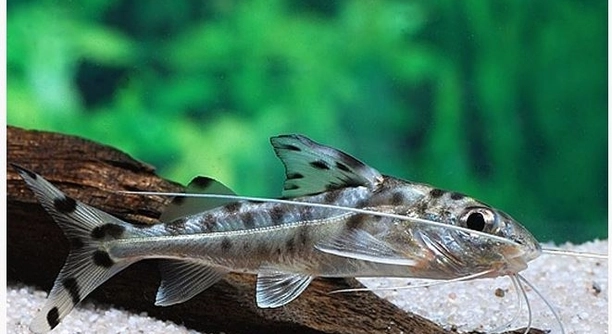
Can you tell if a Pictus catfish is male or female? These popular freshwater fish often live in home aquariums. Many owners want to know their pet’s sex to better understand their behavior and care needs.
Determining the sex of a Pictus catfish is possible but not straightforward. Males tend to have slimmer bodies and longer pectoral fins, while females are usually rounder, especially when carrying eggs. However, these differences are subtle and can be hard to identify.
Knowing the differences between male and female Pictus catfish helps owners provide better care and create a suitable environment for their fish’s needs.
Physical Differences Between Male and Female Pictus Catfish
Males and females of the Pictus catfish species show some physical differences, but they can be subtle. Males typically have slimmer bodies and longer, more pointed pectoral fins. Their fins are often more pronounced compared to females. On the other hand, females tend to be rounder, especially when they are carrying eggs. This fuller body shape is most noticeable around the belly area. These characteristics can help in sexing the fish, but they are not always easy to spot unless the fish is mature. Additionally, size is not always a reliable indicator since individual growth rates vary. Observing behavior alongside physical traits may offer more clues. It is important to handle the fish carefully if close inspection is needed, as they have delicate fins that can be easily damaged.
Careful observation of fins and body shape provides useful hints in identifying male and female Pictus catfish.
Watching your catfish over time will improve your ability to notice these differences and understand their natural behaviors better.
Behavioral Differences in Male and Female Pictus Catfish
Behavioral traits also differ between males and females. Males often display more territorial behavior, especially during breeding periods. They may become more active and chase other fish to protect their space. Females usually have calmer behavior, although this can change when they are ready to spawn. During this time, females may become more secretive and spend time hiding. Mating behavior involves the male chasing the female gently before spawning occurs. Observing these behaviors can provide additional clues when trying to determine the sex of your Pictus catfish. Understanding these natural behaviors can also help in creating a better tank environment that reduces stress for both males and females.
Behavior plays an important role in telling males and females apart, especially during breeding.
Recognizing these patterns can improve fish care and help maintain harmony in your aquarium.
Common Mistakes When Sexing Pictus Catfish
Many people mistake size differences as the main way to tell males from females, but size alone is unreliable. Young fish often look similar, and growth rates vary. Relying only on body shape can lead to confusion, especially if the fish are not fully grown.
Another common error is handling the fish too much to inspect fins closely. This can stress them and damage their delicate fins. Observing from a distance is safer. Also, expecting clear, bold differences often causes frustration because Pictus catfish display subtle sexual dimorphism. Patience and careful observation over time offer better results than quick judgments.
Using multiple signs, such as fin shape and behavior together, gives a more accurate understanding. Avoid rushing the process, and consider the fish’s health and comfort first.
Tips for Successfully Sexing Your Pictus Catfish
Provide a calm tank environment to reduce stress, as stressed fish hide or behave differently, which makes sexing harder. A well-maintained aquarium with proper hiding spots encourages natural behavior and clearer signs of sex differences. Use gentle lighting to avoid stressing your fish during observation.
Keep a consistent routine for feeding and tank maintenance. This helps fish settle into natural patterns, allowing better viewing of their physical and behavioral traits. Avoid overcrowding, as competition can alter normal behaviors that help in identifying males and females. Document observations with photos or notes over weeks to track subtle changes.
Patience and careful, consistent care are key in sexing Pictus catfish accurately. These steps will improve your chances of identifying their sex with confidence.
When Is the Best Time to Determine the Sex of a Pictus Catfish?
The best time to try sexing a Pictus catfish is when they reach full maturity, usually around one year old. At this stage, physical differences become clearer and behavior related to breeding is more apparent.
Juvenile fish often lack the distinct features needed for accurate identification, so waiting helps avoid confusion.
Using Lighting and Angles to See Differences
Proper lighting and viewing angles can highlight subtle physical differences between males and females. Soft, natural light reduces glare, making fin shapes and body contours easier to observe. Viewing the fish from the side shows body shape better, while looking at pectoral fins head-on reveals length differences more clearly.
Experimenting with different lighting and angles during quiet times helps improve your chances of accurate sexing without disturbing the fish.
Avoid Stress During Observation
Keep your observations brief and calm to prevent stressing your fish. Stress can cause hiding or erratic swimming, hiding true physical and behavioral traits.
How can I tell if my Pictus catfish is male or female?
The easiest way to tell male and female Pictus catfish apart is by looking at their body shape and fins. Males tend to be slimmer and have longer, pointier pectoral fins. Females are usually rounder, especially when carrying eggs, and their fins are shorter and less pointed. Watching their behavior during breeding seasons also helps, as males become more territorial and active, while females may hide more. It takes time and patience to notice these differences clearly.
Can I sex Pictus catfish when they are young?
Sexing young Pictus catfish is difficult because they don’t show clear physical differences until they mature, which is usually after about one year. Juvenile fish often look very similar in size and shape regardless of sex. Waiting until the fish reach maturity gives you better chances of correctly identifying males and females.
Is size a reliable indicator of sex?
Size alone is not a reliable way to determine the sex of a Pictus catfish. Growth rates vary among individual fish, and both males and females can be similar in length. Body shape and fin characteristics are better indicators than size.
Why is my Pictus catfish hiding during observation?
Hiding is a natural behavior, especially if the fish feels stressed or threatened. It can make sexing difficult because you can’t see physical features clearly. Make sure the tank environment is calm with enough hiding spots, proper lighting, and minimal disturbance during observation.
Can handling fish help in sexing?
Handling should be avoided unless absolutely necessary because Pictus catfish have delicate fins that can be damaged. Stress from handling can also change their behavior temporarily, making sex identification less accurate. It’s better to observe them gently from outside the tank.
Are there behavioral signs to look for besides physical traits?
Yes. Males often become territorial and chase other fish, especially during breeding times. Females may hide more and appear less active. These behaviors can provide helpful clues when combined with physical observations.
How long should I observe my fish before deciding on its sex?
Observation over several weeks is best. Physical and behavioral differences may become clearer with time. Taking notes or photos can help track subtle changes and improve your accuracy.
Do lighting conditions affect how I see the differences?
Lighting can greatly affect your ability to see subtle traits. Soft, natural light reduces glare and shows details better. Viewing fish from different angles under good lighting helps reveal fin length and body shape differences.
Can diet or health affect physical traits used for sexing?
Poor diet or illness can alter a fish’s appearance, such as causing weight loss or fin damage. This can make it harder to identify sex based on physical traits. Maintaining good health and nutrition helps keep these features clear.
Is it necessary to separate males and females in the tank?
It depends on your goals. Males may become territorial or aggressive during breeding, so separation can reduce stress and injury. However, many owners keep mixed groups successfully with enough space and hiding places.
Are there tools or aids to help with sexing Pictus catfish?
Some owners use magnifying glasses or take close-up photos to study fin shapes and body contours more carefully. Patience and careful observation remain the most effective methods.
What should I do if I’m still unsure about the sex of my catfish?
If you are uncertain, it’s best to continue observing and wait until the fish matures more. Consulting experienced aquarium keepers or specialists may also help. Avoid rushing, as mistakes in sexing can lead to misunderstandings about behavior or breeding readiness.
Determining the sex of a Pictus catfish can be challenging due to their subtle physical and behavioral differences. Males usually have slimmer bodies and longer pectoral fins, while females tend to be rounder, especially when carrying eggs. These differences become more noticeable as the fish mature, usually after about one year. Observing the fish over time and in a calm environment helps reveal these traits more clearly. Patience is important because rushing to identify the sex too early may lead to confusion or mistakes.
Behavioral clues also provide useful information. Males often show more territorial and active behavior, particularly during breeding periods. Females may become more secretive or hide more often when ready to spawn. Combining these behavior patterns with physical features improves the chances of accurate identification. However, these behaviors can be influenced by tank conditions, stress, or the presence of other fish, so maintaining a proper environment is essential. A well-kept aquarium with enough hiding spots and stable conditions supports natural behavior and reduces stress.
Even with experience, sexing Pictus catfish is not always straightforward. Mistakes happen because many traits overlap or are subtle. It is best to use multiple signs rather than relying on one characteristic alone. Avoid handling the fish unnecessarily to prevent stress or injury, and use gentle observation techniques. Remember that sexing is one part of caring for these fish, and providing a healthy environment should remain the priority. Understanding the basics of identifying male and female Pictus catfish can enhance care and enjoyment of these unique and attractive aquarium inhabitants.

Hello,
If you enjoy the content that we create, please consider saying a "Thank You!" by leaving a tip.
Every little bit helps us continue crafting quality advice that supports the health, happiness, and well-being of pets around the world, for pets of all shapes, sizes, and species.
We really appreciate the kindness and support that you show us!