
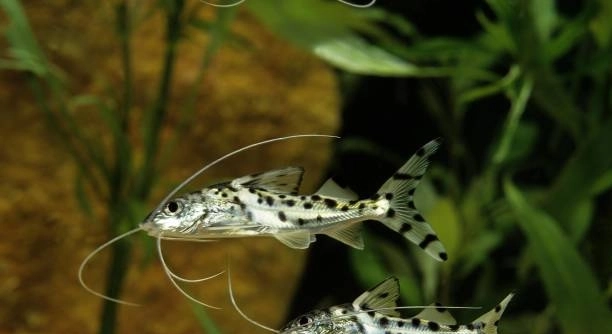
Is your pictus catfish always swimming near the bottom of your aquarium? Many owners notice this behavior and wonder if it signals a problem. Understanding why they prefer the bottom can help ensure their well-being and comfort in your tank.
Pictus catfish naturally swim along the bottom because they are bottom-dwelling fish. Their behavior is influenced by their need for shelter, feeding habits, and comfort in areas with low light and hiding places, which provide safety and security.
Learning more about their natural habits and environment can help you create the best living conditions for your pictus catfish. This knowledge supports their health and makes your aquarium a better home for them.
Understanding Pictus Catfish Behavior
Pictus catfish are naturally bottom dwellers. In their natural habitat, they spend most of their time near riverbeds and lake bottoms where they search for food and avoid predators. Their whiskers help them sense their surroundings in dim light, making the bottom of the tank their preferred area. When kept in aquariums, they often mimic this behavior because it feels safe and familiar. They also look for hiding spots among rocks or plants near the bottom. Stress or changes in water conditions can increase their time spent at the bottom as they try to stay calm. These fish are active swimmers but usually return to the bottom to rest or feed. Keeping a tank environment similar to their natural habitat helps them stay healthy and comfortable. Proper water quality and hiding places reduce stress and encourage more natural swimming behavior.
When pictus catfish stay at the bottom, it often means they are comfortable or resting in their preferred environment.
Pictus catfish’s bottom-dwelling nature is connected to their need for security and feeding habits. Their sensitive barbels detect food particles in the substrate, making the bottom the ideal place to find nourishment. Providing a soft substrate and sufficient hiding areas supports this behavior and improves their well-being. Sudden changes in tank conditions can cause them to hide more often, so maintaining a stable environment is essential.
Tank Conditions Affecting Swimming Habits
Water quality is crucial for pictus catfish. Poor conditions such as high ammonia or nitrite levels make them less active and more likely to stay at the bottom. They prefer clean, well-oxygenated water with moderate flow. Temperature also plays a role; they thrive in water between 74-79°F (23-26°C). If the temperature is too low or too high, they may become lethargic and rest near the bottom. Lighting is another factor—bright light can stress them, so dimmer lighting or shaded areas in the tank help them feel secure. A crowded tank or aggressive tank mates can also push them to stay hidden at the bottom. Regular water testing and proper maintenance ensure the tank remains suitable for their needs.
Stable water conditions promote healthy and natural swimming behaviors in pictus catfish.
Monitoring tank water parameters and making adjustments when necessary is vital for keeping pictus catfish active and healthy. Regular partial water changes, proper filtration, and avoiding overcrowding improve water quality. Using soft substrates like sand or smooth gravel allows the fish to forage comfortably. Adding plants and decorations provides shelter and reduces stress. Maintaining consistent conditions prevents illness and encourages pictus catfish to explore more of the tank rather than staying solely at the bottom. Understanding these factors helps create a balanced environment that supports their natural habits and overall well-being.
Feeding Habits and Bottom Swimming
Pictus catfish are bottom feeders, often searching the substrate for food. Their natural diet includes insects, small crustaceans, and plant matter found near the riverbed. This explains why they spend much time swimming along the bottom in search of nourishment.
They use their barbels to detect edible particles buried in the substrate. Feeding them sinking pellets or live foods encourages natural foraging behavior. Uneaten food that settles on the tank floor can attract their attention and keep them near the bottom. Regular feeding schedules and appropriate food types help maintain their activity levels and health. Overfeeding, however, can cause water quality issues and reduce their movement.
Providing a balanced diet is important. Including occasional live or frozen foods like bloodworms or brine shrimp stimulates their natural hunting instincts. Avoid feeding only flakes or floating foods, as pictus catfish may not get enough nutrition from the water surface. Ensuring the right feeding methods supports their well-being and encourages more varied swimming patterns.
Tank Setup and Environmental Needs
Proper tank setup supports pictus catfish’s bottom swimming behavior. They need plenty of hiding spots, such as caves, driftwood, or dense plants. These provide shelter and reduce stress. A soft substrate like sand or fine gravel prevents damage to their barbels while foraging. Tank size also matters; a minimum of 55 gallons allows enough space for active swimming and resting areas.
Stable water parameters are essential. Keep ammonia and nitrite at zero and nitrate levels low through regular water changes. Moderate water flow replicates their natural environment and helps oxygenate the tank. Avoid placing the tank in direct sunlight to control algae growth and light intensity. These elements combined create a comfortable habitat that meets pictus catfish’s physical and behavioral needs.
Attention to tank conditions and setup promotes natural behavior and helps pictus catfish thrive. Proper shelter, substrate, and water quality prevent stress-related issues that might cause them to stay at the bottom excessively. When these factors are optimized, the fish will display healthy, active swimming and interaction with their environment.
Signs of Stress in Pictus Catfish
When pictus catfish are stressed, they may stay at the bottom more than usual. Other signs include clamped fins, loss of appetite, or rapid breathing. Stress can weaken their immune system and make them prone to illness.
Common stressors include poor water quality, aggressive tank mates, or sudden changes in their environment. Monitoring behavior helps catch problems early.
Impact of Tank Mates
Tank mates influence pictus catfish behavior. Aggressive or territorial fish can intimidate them, causing them to hide or stay at the bottom. Peaceful species are better companions and encourage normal activity.
Choosing compatible fish promotes a balanced, calm environment where pictus catfish can swim freely and reduce stress.
Importance of Water Temperature
Maintaining the right water temperature is crucial for pictus catfish health. Temperatures between 74-79°F (23-26°C) support their metabolism and activity levels.
Too cold or too warm water can make them lethargic, causing prolonged bottom swimming and possible health issues.
When to Seek Help
If pictus catfish show persistent unusual behavior, consulting a specialist is advised. Health problems might require treatment or adjustments in care.
FAQ
Why does my pictus catfish stay at the bottom all the time?
Pictus catfish are naturally bottom dwellers, so it’s normal for them to spend most of their time near the tank floor. They search for food, rest, and seek shelter there. However, if they stay motionless for long periods or show other signs of stress, water quality or health issues might be the cause.
Is it bad if my pictus catfish rarely swims in the middle or top of the tank?
Not necessarily. These fish feel safest near the bottom where they can hide and forage. Still, a healthy pictus catfish will swim actively around the tank. Limited movement may indicate stress, poor water conditions, or illness, so monitoring their overall behavior is important.
What kind of substrate is best for pictus catfish?
A soft substrate like sand or fine gravel is ideal. It prevents damage to their sensitive barbels as they search for food. Rough or sharp substrates can cause injury and stress, leading to abnormal behavior.
Can bright lighting affect my pictus catfish’s behavior?
Yes, strong light can stress pictus catfish, making them hide or stay at the bottom. They prefer dimmer lighting or shaded areas to feel secure. Using plants or decorations to create shaded spots helps reduce stress.
How often should I feed my pictus catfish?
Feeding once or twice daily with sinking pellets, live, or frozen foods works well. Avoid overfeeding, as uneaten food can pollute the tank and affect water quality. Maintaining a feeding schedule supports healthy activity.
What are common signs of illness in pictus catfish?
Look for clamped fins, lethargy, loss of appetite, unusual swimming patterns, or visible spots and discoloration. Early detection allows prompt treatment, improving chances of recovery.
Can tank mates affect my pictus catfish’s behavior?
Aggressive or territorial fish can stress pictus catfish, causing them to hide or remain near the bottom. Peaceful, compatible tank mates encourage normal swimming and reduce stress.
What water parameters are best for pictus catfish?
They prefer clean, well-oxygenated water with temperatures between 74-79°F (23-26°C). Ammonia and nitrite should be zero, and nitrate levels low. Regular testing and maintenance keep water safe.
How large should the tank be for pictus catfish?
A minimum of 55 gallons is recommended. This size provides enough swimming space and room for hiding spots, which are important for their comfort and health.
Why does my pictus catfish hide more after water changes?
Sudden changes in water chemistry or temperature can stress them. It’s best to make water changes gradually and maintain stable tank conditions to avoid stress-induced hiding.
Can I keep pictus catfish with other bottom dwellers?
Yes, but be cautious. Some bottom dwellers may compete for space or food. Choose species that coexist peacefully and provide enough space to reduce conflicts.
What should I do if my pictus catfish is always gasping at the surface?
Gasping can indicate low oxygen levels or poor water quality. Improving aeration, performing water changes, and checking filtration usually help resolve this issue.
Are pictus catfish nocturnal?
They are more active during the evening and night but will swim during the day if they feel safe. Providing hiding spots allows them to rest when they prefer.
How can I encourage my pictus catfish to swim more actively?
Maintaining stable water parameters, providing hiding places, feeding varied foods, and choosing peaceful tank mates encourage natural and active behavior.
Is it normal for pictus catfish to rest at the bottom?
Yes, resting near the bottom is typical. They use this time to conserve energy while staying hidden and safe. Constant inactivity, however, may indicate health problems.
What should I do if I notice my pictus catfish scraping against objects?
Scraping can be a sign of parasites or irritation. Check water quality and observe for other symptoms. Treatment may be necessary if parasites are confirmed.
Final Thoughts
Pictus catfish naturally spend most of their time near the bottom of the tank. This behavior is normal and connected to their feeding habits and need for shelter. They use their barbels to search for food along the substrate, and the bottom offers safety from potential threats. While they do swim actively around the tank, the bottom remains their preferred area to rest and forage. Understanding this natural tendency helps aquarium owners provide the right environment that supports their health and comfort.
Maintaining proper tank conditions is essential for pictus catfish to thrive. Water quality should be monitored regularly, keeping ammonia and nitrite at zero and nitrate low. The water temperature should stay within their preferred range of 74 to 79 degrees Fahrenheit (23 to 26 degrees Celsius). A soft substrate like sand or fine gravel prevents damage to their sensitive barbels. Providing plenty of hiding places with plants, rocks, or decorations helps reduce stress and encourages natural behavior. A balanced diet that includes sinking pellets and occasional live or frozen foods supports their nutrition and activity.
Observing your pictus catfish regularly is important to notice any changes in behavior or health. Staying near the bottom is usually normal, but prolonged inactivity, loss of appetite, or signs of illness require attention. Tank mates should be chosen carefully to avoid stress, and water changes should be done gradually to keep conditions stable. With proper care, pictus catfish can live a healthy, active life and bring enjoyment to your aquarium. Creating an environment that respects their natural habits is key to their well-being.

Hello,
If you enjoy the content that we create, please consider saying a "Thank You!" by leaving a tip.
Every little bit helps us continue crafting quality advice that supports the health, happiness, and well-being of pets around the world, for pets of all shapes, sizes, and species.
We really appreciate the kindness and support that you show us!