
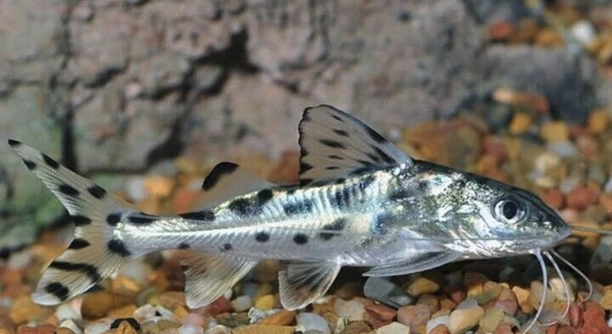
Are your Pictus catfish showing unusual behavior or physical changes? These active freshwater fish are popular in home aquariums but can fall ill like any other pet. Recognizing signs of sickness early is important to keep them healthy and thriving.
Seven common signs of a sick Pictus catfish include lethargy, loss of appetite, abnormal swimming patterns, visible wounds or spots, clamped fins, rapid breathing, and faded coloration. Prompt identification and appropriate treatment are essential to improve their condition and prevent further health decline.
Knowing these warning signs can help you act quickly to protect your fish. This article will guide you through the symptoms and explain how to care for a sick Pictus catfish effectively.
Lethargy and Loss of Appetite
When a Pictus catfish becomes lethargic, it tends to rest more and swim less. This change in activity can indicate that the fish is not feeling well. Along with lethargy, a sick catfish often loses interest in food. You may notice it refusing to eat during feeding times or eating much less than usual. These signs are often linked because when fish are unwell, their energy drops and so does their appetite. It is important to monitor both behaviors closely. Early detection helps in starting treatment sooner. Changes in water quality or the presence of disease can cause these symptoms. Checking the tank’s conditions and making sure the water parameters are stable can improve the catfish’s health. If the lethargy and loss of appetite continue, consulting a vet or experienced aquarist is recommended to identify the exact problem and apply proper care.
Lethargy and lack of appetite often signal stress or illness, needing immediate attention to prevent further health issues.
A Pictus catfish that stops eating and moves less usually needs a calm, clean environment with proper water conditions. Adjusting temperature, performing water changes, and removing any harmful elements can help. Feeding high-quality food and avoiding overfeeding are also important. Sometimes, a mild medication or treatment may be necessary if illness is detected. Observing these signs early ensures your fish recovers faster and stays healthy.
Abnormal Swimming Patterns
Abnormal swimming is a clear sign that something is wrong with your Pictus catfish. You might see it swimming erratically, floating at the surface, or resting at the bottom more than usual. Sometimes the fish may spin, tilt, or struggle to maintain balance. These behaviors can be caused by internal infections, parasites, or poor water quality. It is essential to check the tank’s cleanliness and water parameters like pH, ammonia, nitrite, and nitrate levels. Infected fish may need quarantine to avoid spreading disease to other tank mates. Observing the swimming closely helps in identifying the problem quickly.
Erratic swimming often indicates illness or poor tank conditions requiring immediate correction to prevent worsening.
Abnormal swimming can stem from multiple causes such as swim bladder issues, parasites, or toxins in the water. Poor water quality stresses fish and damages their health, leading to strange swimming behavior. Parasites attach to the fish, disturbing normal movement. Swim bladder disease affects buoyancy and control. Fixing water quality problems by changing water and cleaning the tank is the first step. If parasites or infections are suspected, using proper medication is necessary. Isolating the sick fish prevents spreading and allows better treatment monitoring. Maintaining good water conditions and observing behavior helps keep your catfish swimming normally.
Visible Wounds or Spots
Visible wounds or unusual spots on your Pictus catfish are signs of possible infection or injury. These can appear as red sores, white patches, or dark spots. Treating wounds quickly helps prevent serious infections that can harm your fish.
Open wounds often occur from sharp objects in the tank or aggressive tank mates. Spots may indicate fungal or bacterial infections or parasites. It’s important to isolate the affected fish to avoid spreading illness. Clean the tank thoroughly and maintain good water quality to support healing. Using aquarium salt or medicated treatments can speed recovery. Monitor the wounds daily for signs of improvement or worsening. Early treatment improves the chance of full recovery.
If the spots or wounds worsen, using appropriate antibiotics or antifungal medications is necessary. Consulting an expert can help identify the exact cause. Keeping the tank free from rough decorations and ensuring compatibility among tank mates reduces injury risks.
Clamped Fins
Clamped fins are a common stress or illness symptom. The fins stay close to the body instead of spreading out naturally. This usually indicates discomfort or disease in your catfish.
Clamped fins can result from poor water quality, parasites, or bacterial infections. Stressful conditions in the tank may also cause this behavior. Check water parameters and perform regular maintenance to improve the environment. Isolating the fish may help reduce stress and prevent the spread of disease.
Treatment depends on the cause but often includes improving water quality and using anti-parasitic or antibacterial medications. Providing a stable, clean habitat helps your catfish regain normal fin posture. Monitoring the fish closely will indicate when it starts to recover.
Rapid Breathing
Rapid breathing in Pictus catfish shows stress or poor water conditions. The fish may breathe faster near the water surface, indicating low oxygen or illness.
Improving aeration and water quality often helps. If rapid breathing continues, infection or parasites may be the cause, requiring treatment.
Faded Coloration
Faded coloration can mean stress, poor nutrition, or disease. Healthy Pictus catfish have vibrant patterns, so dullness is a warning sign.
This symptom often occurs with other signs like lethargy or loss of appetite. Addressing tank conditions and diet usually restores color. Persistent fading may require medication.
How to Treat a Sick Pictus Catfish
Treating a sick Pictus catfish starts with improving water quality. Perform regular water changes and test parameters to keep the environment stable.
When to Seek Professional Help
If symptoms worsen or do not improve within a week, consult a veterinarian or experienced aquarist for diagnosis and treatment options.
What causes Pictus catfish to get sick?
Pictus catfish can get sick due to several factors. Poor water quality is the most common cause, including high ammonia, nitrite, or nitrate levels. Stress from overcrowding or aggressive tank mates also weakens their immune system. Infections caused by bacteria, fungi, or parasites can develop when conditions are not ideal. Improper diet and sudden changes in temperature further contribute to illness. Maintaining stable water parameters and a clean environment reduces the risk of disease.
How do I know if my Pictus catfish is sick?
You can spot sickness by changes in behavior and appearance. Common signs include lethargy, loss of appetite, abnormal swimming, clamped fins, rapid breathing, visible wounds, and faded coloration. Observing these symptoms early helps in treating the fish before the illness worsens. Regular monitoring during feeding and cleaning sessions is key.
Can poor water quality alone make my catfish sick?
Yes, poor water quality is a primary cause of illness in Pictus catfish. High levels of ammonia and nitrites are toxic and stress the fish. Even minor imbalances can weaken their immune system, making them vulnerable to infections. Frequent water testing and changes are necessary to keep the water safe.
What should I do if I notice abnormal swimming?
Check the water quality immediately and adjust if needed. Remove any sharp objects or aggressive tank mates. Isolate the affected fish to avoid spreading possible infections. Observe for other symptoms that might indicate swim bladder problems or parasites. Treatment often involves water improvements and medication.
Are clamped fins always a sign of illness?
Clamped fins usually indicate stress or sickness but can also result from sudden changes in the tank environment. Poor water quality and parasites commonly cause this symptom. Improving water conditions and observing the fish closely helps determine if further treatment is necessary.
How can I treat wounds or spots on my Pictus catfish?
Isolate the fish in a quarantine tank to prevent spreading infection. Clean the main tank thoroughly. Use aquarium salt or medicated treatments designed for bacterial or fungal infections. Monitor healing daily and avoid rough decorations that could cause more injuries.
What kind of diet supports a healthy Pictus catfish?
Feed a balanced diet consisting of sinking pellets, live or frozen foods like bloodworms or brine shrimp. Avoid overfeeding, which pollutes the water. Proper nutrition strengthens their immune system and helps them resist diseases.
Can temperature changes affect my catfish’s health?
Yes, sudden or extreme temperature fluctuations stress Pictus catfish and can cause illness. Maintain stable temperatures between 74°F and 79°F (23°C–26°C) to keep them healthy. Use a reliable heater and thermometer.
Is medication always necessary when my catfish is sick?
Not always. Improving water quality and diet may be enough for mild issues. However, if symptoms persist or worsen, medication is often required to treat infections or parasites effectively.
How often should I perform water changes to keep my catfish healthy?
Weekly water changes of 20-30% help maintain clean water and stable conditions. Adjust frequency based on tank size, filtration, and fish load. Regular water changes reduce toxins and keep your fish comfortable.
Can tank mates affect my Pictus catfish’s health?
Yes, aggressive or incompatible tank mates cause stress and injuries. Choose peaceful species and provide enough space to minimize conflict. Stress from tank mates weakens immunity and increases illness risk.
What should I do if my catfish stops eating?
First, check water quality and tank conditions. Try offering varied food types or live food to encourage feeding. If the appetite does not improve within a few days, consider quarantine and treatment for potential illness.
How long does it take for a sick Pictus catfish to recover?
Recovery time varies depending on the illness and treatment. Mild conditions may improve within a week, while severe infections can take longer. Consistent care and a clean environment speed recovery.
When is it best to seek professional advice?
If symptoms worsen, multiple fish are affected, or no improvement occurs after treatment, consult a veterinarian or experienced aquarist. Professional help ensures proper diagnosis and effective treatment.
Can stress alone cause my catfish to show signs of sickness?
Yes, stress lowers immunity and can trigger symptoms like clamped fins, faded color, and lethargy. Reducing stress factors such as overcrowding, poor water, and aggressive tank mates helps prevent illness.
Understanding the health of your Pictus catfish is essential for keeping them happy and thriving in your aquarium. Recognizing signs of sickness early, such as lethargy, abnormal swimming, or faded coloration, allows you to take prompt action. Many health problems can be linked to water quality, tank conditions, or diet, so maintaining these factors is key. Regular observation helps you catch issues before they become serious, which improves the chances of successful treatment and recovery.
When your catfish shows signs of illness, addressing the environment is the first step. Clean, stable water with proper parameters supports the fish’s immune system and encourages healing. Routine water changes, proper filtration, and avoiding overcrowding reduce stress and prevent the buildup of harmful substances. Feeding a balanced diet also plays an important role. If symptoms persist, using appropriate medication or isolating the fish may be necessary to stop the spread of infection and speed up recovery. Timely intervention is crucial to avoid long-term harm or loss of your fish.
Keeping a Pictus catfish healthy requires attention and care but is manageable with the right approach. By watching for the seven common signs of sickness and responding quickly, you help your fish live a longer and healthier life. Maintaining a stable, clean environment, providing nutritious food, and minimizing stress all contribute to their well-being. Remember that professional advice is always available if needed. Overall, good care practices will keep your catfish active and vibrant in your aquarium for years to come.

Hello,
If you enjoy the content that we create, please consider saying a "Thank You!" by leaving a tip.
Every little bit helps us continue crafting quality advice that supports the health, happiness, and well-being of pets around the world, for pets of all shapes, sizes, and species.
We really appreciate the kindness and support that you show us!