
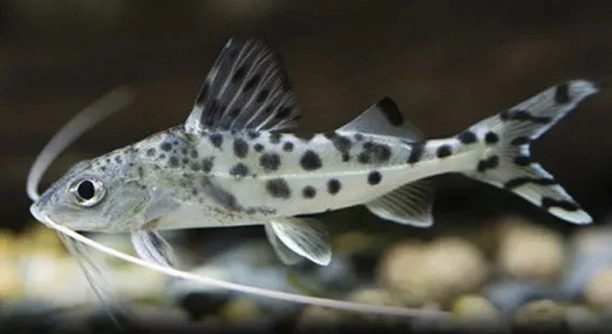
Are your catfish showing signs of stress or sluggishness in their tank? Many catfish owners may not realize their aquarium is too small to meet their fish’s needs. Proper tank size plays a crucial role in keeping catfish healthy and active.
A tank that is too small for catfish restricts their movement, leads to poor water quality, and increases stress, which can result in stunted growth and a weakened immune system. Ensuring adequate space is essential for their overall well-being and longevity.
Recognizing these signs early can help you provide a better environment for your catfish. The following points will guide you in identifying when your tank might be too small.
Limited Swimming Space
Catfish are active swimmers who need enough room to move freely. When the tank is too small, they may become restless or lethargic. Restricted space can cause them to bump into decorations or tank walls, which increases stress and the risk of injury. Over time, this confinement can affect their natural behavior and reduce their overall health. A larger tank allows catfish to explore, find hiding spots, and engage in natural swimming patterns. It also helps maintain cleaner water, as more water volume dilutes waste better. Without enough space, their environment quickly deteriorates, making it harder to keep them healthy. Providing sufficient swimming space benefits both the fish and the tank’s ecosystem.
Smaller tanks make it difficult to maintain stable water conditions, which catfish need to thrive. Larger tanks offer more room for water to stay clean and balanced.
Proper tank size supports catfish’s well-being by reducing stress and promoting natural behavior. It also simplifies water maintenance, ensuring a healthier habitat for your fish. Giving them enough space helps them live longer and stay active.
Poor Water Quality
In a small tank, waste builds up quickly and water quality deteriorates. Catfish produce waste continuously, and in a confined space, toxins like ammonia and nitrites can rise to dangerous levels. These harmful substances stress catfish, weaken their immune systems, and make them vulnerable to diseases. Regular water changes help, but they might not be enough in a small tank. A larger tank dilutes waste better, helping to keep the water cleaner for longer. Proper filtration is also necessary, but space plays a key role in maintaining healthy water conditions. Without adequate room, the tank environment becomes unstable and unsafe for catfish. This can lead to frequent health issues or even early death if not addressed properly.
Water quality directly impacts catfish health, and inadequate space worsens the problem.
Keeping water clean requires more than just filters and water changes. When a tank is too small, toxins accumulate faster, creating a dangerous environment. Catfish are sensitive to poor water conditions, so maintaining stable water chemistry is essential. Larger tanks provide more volume, which helps balance water parameters naturally. In small tanks, frequent maintenance is needed to prevent harmful buildups. Observing your catfish for signs of stress or illness can indicate water quality issues caused by limited tank size. Investing in a suitable tank size can reduce maintenance efforts and improve fish health, making it easier to enjoy a thriving aquarium.
Stunted Growth
When catfish don’t have enough space, their growth can slow down or stop altogether. A cramped environment limits their physical development and can affect their overall health.
Restricted tank size reduces the room catfish have to swim and explore, which is essential for muscle development and growth. Inadequate space can also increase stress levels, which negatively impacts appetite and digestion. This combination can stunt growth, leaving your catfish smaller than expected for their age. Overcrowding also means competition for food and oxygen, further affecting their ability to thrive. Proper tank size is essential to provide the conditions needed for healthy growth and development.
Stunted growth in catfish is often a sign of poor living conditions rather than genetics. Even if you provide a good diet, limited space can prevent them from reaching their full size potential. This is why choosing the right tank size early on is important. A larger tank supports natural behaviors and physical activity that promote healthy growth. It also reduces stress and maintains better water quality, both critical for developing catfish. Giving them enough room allows your catfish to grow strong and stay healthy over time.
Behavioral Changes
Catfish in small tanks may show signs of unusual behavior such as hiding constantly or aggression. These behaviors often result from stress caused by limited space.
Stress from a confined environment can make catfish more aggressive toward tank mates or more withdrawn and shy. They might also become restless or overly active, showing signs of discomfort. Behavioral changes can indicate that the tank does not meet their needs. Catfish naturally explore their environment and seek hiding places, but small tanks restrict these activities. When they cannot express natural behaviors, their overall well-being suffers, leading to illness or early death. Observing changes in behavior is an important way to recognize if your tank is too small. Taking action early can improve your catfish’s quality of life and reduce stress-related issues.
Excessive Waste Build-Up
Small tanks fill up with waste quickly, making it hard to keep the water clean. Catfish produce a lot of waste, which increases toxin levels fast.
High toxin levels from waste buildup can cause serious health problems for catfish. Regular cleaning is essential but often not enough in cramped tanks.
Lack of Oxygen
A small tank holds less oxygen, which can stress catfish and affect their breathing. Poor oxygen levels reduce their energy and immune response.
Constant Stress
Living in a confined space causes ongoing stress for catfish. Stress lowers their ability to fight disease and shortens their lifespan.
How do I know if my catfish tank is too small?
If your catfish show signs like sluggishness, hiding, or stunted growth, the tank might be too small. Also, if water quality drops quickly despite regular maintenance, it indicates insufficient tank volume. Observing these issues suggests your catfish need more space to thrive.
What tank size is ideal for catfish?
Most catfish species require at least a 30-gallon tank, but larger species need much more. A bigger tank provides enough swimming space and better water quality. Always research the specific needs of your catfish type to ensure proper sizing.
Can I keep multiple catfish in a small tank?
Keeping several catfish in a small tank causes overcrowding, which worsens water quality and stress. It’s best to provide enough space for each fish to avoid competition and aggressive behavior.
What happens if I don’t upgrade my tank?
If the tank remains too small, your catfish may suffer from stunted growth, illness, and shortened lifespan. Constant poor water quality and stress can cause irreversible damage.
How often should I clean a small catfish tank?
Smaller tanks require more frequent water changes, sometimes weekly or even twice a week. However, regular cleaning is only a temporary fix if the tank is too small for your fish’s needs.
Are bigger tanks harder to maintain?
While bigger tanks require more water and equipment, they tend to have more stable conditions and less frequent cleaning. This makes long-term maintenance easier and less stressful for both you and your catfish.
Can tank size affect catfish behavior?
Yes, cramped tanks can lead to abnormal behaviors like hiding, aggression, or lethargy. Providing ample space allows your catfish to act naturally and stay healthier.
Is filtration more important in small tanks?
Filtration is crucial in any tank, but especially small ones where waste accumulates quickly. However, no filter can fully compensate for inadequate tank size.
How do I transition my catfish to a larger tank?
Move your catfish carefully to avoid stress. Acclimate them slowly by matching water conditions and gradually introducing them to the new tank. Proper setup beforehand ensures a smooth transition.
What signs show my catfish is stressed?
Look for unusual hiding, loss of appetite, erratic swimming, or discoloration. These symptoms often result from poor environment or overcrowding. Addressing tank size can improve their condition.
Can tank decorations reduce the stress of a small tank?
Decorations provide hiding spots, but they don’t replace space. Overcrowding decorations can worsen the problem by reducing swimming area. Balance decoration with open space.
Are all catfish species the same in tank size needs?
No, species vary greatly. Some remain small and thrive in smaller tanks, while others grow large and need spacious environments. Always check species-specific requirements.
How does temperature relate to tank size?
Smaller tanks experience faster temperature fluctuations, stressing catfish. Larger tanks stabilize temperature better, creating a more comfortable habitat.
Does feeding change with tank size?
In small tanks, overfeeding can quickly pollute water. Larger tanks handle more waste, allowing for more flexibility with feeding but still require careful monitoring.
Can I keep other fish with catfish in a small tank?
Mixing species in a small tank increases stress and competition. Compatibility depends on tank size and fish behavior. Larger tanks provide safer community environments.
What are the long-term effects of keeping catfish in a small tank?
Long-term confinement leads to chronic stress, disease, poor growth, and reduced lifespan. Upgrading tank size supports healthier, happier fish over time.
How do I calculate the right tank size for my catfish?
Research the adult size of your catfish species and allocate at least 10 gallons per inch of fish length. This estimate helps ensure enough space for movement and waste dilution.
Can tank plants improve small tank conditions?
Plants help absorb toxins and provide shelter, but they don’t fix space issues. Healthy plants complement proper tank size and maintenance.
Is it better to start with a bigger tank from the beginning?
Starting with a larger tank prevents common problems as your catfish grow. It saves time and stress compared to upgrading later.
What should I do if I can’t afford a bigger tank immediately?
Focus on frequent water changes, reducing fish numbers, and improving filtration temporarily. However, upgrading should remain a priority for your catfish’s health.
Choosing the right tank size for your catfish is one of the most important steps in ensuring their health and happiness. Catfish need enough space to swim freely, grow properly, and live without constant stress. A tank that is too small can lead to many problems, including poor water quality, stunted growth, and behavioral changes. By understanding these signs early, you can make the necessary changes to provide a better home for your fish. It is not just about the size of the tank but also about creating an environment that supports your catfish’s natural needs.
Maintaining a larger tank may require a bit more effort and investment upfront, but it often results in a more stable and balanced environment. Bigger tanks dilute waste better, reduce toxins, and keep water conditions more consistent, which benefits your catfish’s immune system and overall well-being. In smaller tanks, water quality can quickly worsen, causing stress and illness in fish. Proper filtration, regular cleaning, and water changes are important, but they cannot fully replace the benefits of sufficient space. Providing your catfish with a tank that fits their size and activity level is key to their long-term health.
Taking the time to assess your catfish’s living conditions and upgrading your tank when needed will pay off in healthier, happier fish. Paying attention to their behavior, growth, and water quality can help you spot problems before they become serious. Remember, catfish are living creatures that deserve a proper home that supports their needs. Investing in the right tank size is a simple but effective way to give them the best chance at thriving. Your catfish will show signs of better health and activity when they have enough room to live comfortably.

Hello,
If you enjoy the content that we create, please consider saying a "Thank You!" by leaving a tip.
Every little bit helps us continue crafting quality advice that supports the health, happiness, and well-being of pets around the world, for pets of all shapes, sizes, and species.
We really appreciate the kindness and support that you show us!