
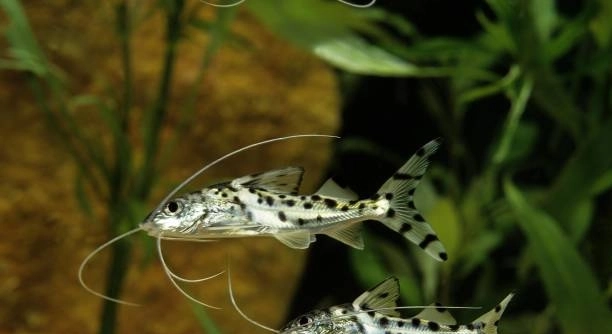
Creating a natural-looking pictus habitat requires attention to detail and understanding the fish’s environment. A well-designed tank mimics their native river conditions, promoting healthier and happier fish. This article offers practical advice to achieve that natural feel.
To create a natural habitat for pictus catfish, focus on replicating their natural river environment by incorporating smooth stones, driftwood, and live plants. Proper water parameters, including temperature and pH, must be maintained to support their health and behavior.
Following these tips will help you establish a balanced and visually pleasing environment for your pictus, enhancing their well-being and your enjoyment.
Choose the Right Substrate
Selecting the correct substrate is essential for creating a natural pictus habitat. Pictus catfish thrive on soft, sandy bottoms because they often sift through the substrate for food. Rough or sharp gravel can damage their delicate barbels and skin, which affects their health. Using fine sand or smooth river pebbles replicates their natural environment while providing a comfortable surface for these bottom-dwellers. A sandy substrate also helps maintain water quality by allowing waste to settle and be easily removed during cleaning.
A smooth, soft substrate reduces the risk of injury and mimics the natural riverbeds pictus prefer.
When choosing substrate, keep in mind the tank’s overall aesthetics and the ease of maintenance. Natural colors like beige, light brown, or gray blend well with driftwood and plants. Avoid dark or bright colors that might stress the fish. Cleaning sandy substrates requires gentle siphoning to prevent disturbing beneficial bacteria. Proper substrate choice sets the foundation for a healthy and natural pictus tank.
Include Driftwood and Rocks
Driftwood and rocks provide hiding places and add structure to the habitat. They create shaded areas, which pictus catfish appreciate because they tend to avoid bright light. These elements also encourage natural behavior such as exploring and resting. Driftwood releases tannins into the water, slightly lowering pH and softening water, similar to their native habitats. Rocks, when smooth and rounded, offer additional surfaces for algae growth, a natural food source for some tank inhabitants.
Driftwood and rocks improve both the environment and the visual appeal of the tank.
When placing driftwood and rocks, arrange them securely to prevent shifting and injury. Combining multiple pieces can create caves and tunnels, giving pictus safe retreats. Regularly check that no sharp edges are exposed. Tannins released by driftwood may tint the water slightly, which is normal and can benefit the fish by creating softer water conditions. Balancing these elements helps maintain a natural, safe, and stimulating environment for your pictus catfish.
Use Live Plants
Live plants help maintain water quality by absorbing nitrates and providing oxygen. They create a more natural environment and offer hiding spots for pictus catfish. Plants like Java fern, Anubias, and Amazon sword are sturdy and low maintenance, making them good choices.
These plants tolerate a range of water conditions and don’t require intense lighting. Their roots provide shelter and encourage natural behaviors. In addition, plants help reduce stress by offering cover from bright tank lights and potential tank mates.
When adding plants, make sure they are securely anchored, as pictus may disturb loose soil while foraging. Regular trimming keeps the plants healthy and prevents overcrowding. Avoid fast-growing plants that may require constant maintenance, keeping your habitat balanced and natural.
Maintain Proper Water Conditions
Pictus catfish need clean, well-oxygenated water with a temperature between 75-82°F (24-28°C) and a pH of 6.5 to 7.5. Regular water changes are necessary to keep ammonia and nitrate levels low, which helps prevent stress and disease.
Using a quality filtration system designed for gentle water flow simulates their river habitat without causing strong currents. A good filter also helps keep the water clear and free of debris. Testing water parameters regularly ensures the tank stays within the ideal range for pictus health.
Stable water conditions improve fish longevity and behavior. Avoid sudden temperature or pH changes as pictus are sensitive to fluctuations. Using a heater and water conditioner during changes supports a steady environment, reducing risks of illness.
Provide Adequate Lighting
Pictus catfish prefer dim lighting because they are nocturnal and sensitive to bright light. Using low-intensity or adjustable lighting helps mimic their natural environment.
Placing plants and decorations strategically can create shaded areas. This reduces stress and encourages natural behavior, like hiding and foraging during low light periods.
Create Open Swimming Spaces
While hiding spots are important, pictus also need open areas to swim freely. Ensure there is enough space between decorations and plants. This balance supports their active nature and allows for natural movement within the tank.
Open spaces prevent overcrowding and help maintain water flow, which is beneficial for their health and comfort.
Choose Compatible Tank Mates
Pictus catfish do well with peaceful, non-aggressive species. Avoid large or territorial fish that may bully or stress them. Small schooling fish and other bottom dwellers often make good companions, promoting a calm and natural aquarium environment.
Keeping compatible species reduces conflict and supports the well-being of all fish in the tank.
FAQ
How often should I clean a pictus habitat?
Regular cleaning is important to keep the tank healthy. Perform partial water changes of about 20-30% every week or two. Clean the substrate gently with a siphon to remove debris without disturbing beneficial bacteria. Avoid over-cleaning decorations or filter media to maintain the tank’s natural balance.
What is the best diet for pictus catfish?
Pictus catfish are omnivores and prefer a varied diet. Feed them sinking pellets or wafers designed for bottom feeders, supplemented with live or frozen foods like bloodworms and brine shrimp. Occasionally offer vegetables such as blanched zucchini or cucumber to ensure balanced nutrition.
Can pictus live with other fish?
Yes, pictus are generally peaceful but active fish. They do best with calm tank mates that won’t compete aggressively for food or space. Avoid large or aggressive species that might intimidate or harm them. Small schooling fish and peaceful bottom dwellers usually coexist well.
How much space do pictus catfish need?
A minimum tank size of 30 gallons is recommended for a small group of pictus catfish. They are active swimmers and appreciate space to explore. Keeping at least 3-5 individuals together encourages natural schooling behavior and reduces stress.
What water parameters do pictus require?
Pictus catfish prefer water temperatures between 75-82°F (24-28°C), a pH level of 6.5 to 7.5, and soft to moderately hard water. Regular testing and maintenance help keep these parameters stable, reducing health risks and supporting natural behavior.
Are pictus catfish nocturnal?
Yes, pictus are mainly nocturnal and most active during low light or night hours. Providing dim lighting or shaded areas encourages their natural activity patterns. They may rest or hide during bright daylight but become lively when the environment darkens.
Do pictus catfish need a specific type of substrate?
A soft sandy substrate is ideal for pictus catfish, as they like to sift through it for food. Avoid rough gravel that can injure their barbels and skin. A natural-colored sand or smooth river pebble helps replicate their native riverbed and promotes comfort.
How can I tell if my pictus is healthy?
Healthy pictus catfish display active swimming, clear eyes, smooth skin, and intact barbels. They respond to feeding and explore their environment. Watch for signs of stress like lethargy, clamped fins, or damaged barbels, which may indicate poor water quality or illness.
What is the lifespan of a pictus catfish?
With proper care, pictus catfish typically live 8 to 10 years in captivity. Maintaining good water quality, a balanced diet, and a stress-free environment helps them reach their full lifespan potential.
Is it necessary to provide hiding places in the tank?
Yes, hiding spots are essential for pictus catfish to feel secure. Use driftwood, rocks, and live plants to create shaded retreats. These areas reduce stress and mimic natural habitats, supporting their well-being and encouraging natural behaviors.
Creating a natural-looking habitat for pictus catfish takes effort but brings rewarding results. These fish thrive best in environments that closely resemble their native rivers, where soft sand, smooth rocks, and plenty of hiding spots are available. Paying attention to the details like substrate choice, water quality, and tank decorations can make a big difference in their health and behavior. A tank that supports their natural instincts will keep pictus active, reduce stress, and help them live longer.
Maintaining stable water conditions is one of the most important steps for a successful pictus habitat. Regular water changes, proper filtration, and keeping the right temperature and pH level are essential. Pictus catfish are sensitive to sudden changes, so it is necessary to monitor these parameters closely. Using live plants and natural decorations adds not only to the tank’s appearance but also helps keep the environment balanced. Driftwood and smooth stones offer shelter and shade, which pictus find comforting.
Balancing open swimming space with hiding places is key to a natural setup. Pictus catfish are active swimmers, so they need room to move freely. At the same time, they benefit from areas where they can hide and rest. Providing appropriate tank mates who are peaceful and compatible will also improve the overall tank environment. By following these guidelines, you can create a habitat that supports both the physical needs and natural behavior of your pictus catfish, making your aquarium a healthier and more enjoyable place for them.

Hello,
If you enjoy the content that we create, please consider saying a "Thank You!" by leaving a tip.
Every little bit helps us continue crafting quality advice that supports the health, happiness, and well-being of pets around the world, for pets of all shapes, sizes, and species.
We really appreciate the kindness and support that you show us!