
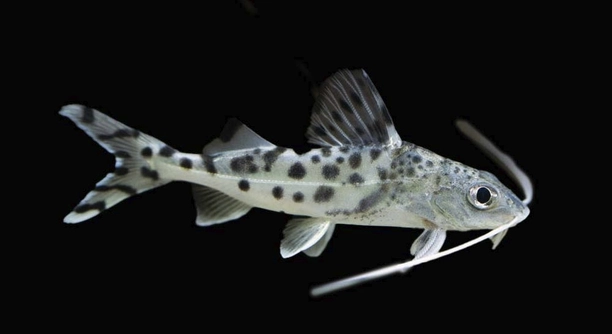
Many aquarium owners enjoy keeping Pictus Catfish for their active nature and unique appearance. Sometimes, these fish seem to disappear from the tank, leaving their owners worried or confused. Understanding why this happens can help keep your aquarium healthy.
Pictus Catfish may disappear due to hiding, illness, stress, poor water conditions, predation, insufficient food, or improper tank setup. Each factor affects their behavior and survival, making it essential to identify the cause to maintain their wellbeing.
Knowing these reasons will help you create a better environment for your catfish and prevent future surprises in your tank.
Hiding Spots in the Aquarium
Pictus Catfish are naturally shy and nocturnal. They often hide during the day to avoid bright light or other tank mates. If your tank has plenty of plants, caves, or decorations, your catfish might be spending most of their time out of sight. This behavior is normal and not usually a sign of a problem. However, if they rarely come out, it might indicate stress or discomfort. It helps to provide hiding spots but also make sure they have safe areas to swim freely when they want. Observing your tank at night with a dim light can show you more of their natural activity.
Catfish hiding does not mean they are gone; they are simply seeking shelter. This is typical behavior, especially during daylight hours.
Keeping a balance between hiding places and open swimming space encourages healthy behavior. Adjusting tank lighting and observing during low light can help you see your catfish more clearly and understand their habits better.
Illness and Health Problems
When Pictus Catfish fall ill, they may hide more and eat less. Signs of sickness include sluggish movement, faded color, or visible spots. Poor water quality often causes illness, so regular tank maintenance is vital. Testing water parameters like ammonia, nitrites, and pH can prevent many problems. If your catfish shows signs of disease, isolating it and treating the water may be necessary. Sometimes, illnesses are hard to detect early because the fish try to hide their weakness. Paying close attention to changes in behavior can help catch problems before they worsen.
A sick catfish will usually hide away and lose its usual active behavior.
Illness in Pictus Catfish often results from stress caused by bad water conditions or incompatible tank mates. It is essential to keep the water clean and stable. Frequent partial water changes and using a good filtration system improve the fish’s environment. Make sure the tank is not overcrowded, as this can increase stress and the chance of disease spreading. Providing a nutritious diet also supports their immune system. If illness occurs, medications designed for freshwater fish might be needed, but use them carefully and follow instructions closely. Consulting an expert or vet is a good idea if you are unsure about treatment steps. Recognizing illness early helps protect your catfish and the other tank inhabitants.
Stress and Aggression from Tank Mates
Stress in Pictus Catfish often comes from aggressive or territorial tank mates. When bullied, they hide more or even try to escape. Stress weakens their immune system, making them prone to illness. Keeping peaceful companions is important for their wellbeing.
Aggressive fish can chase or nip at Pictus Catfish, causing injury or constant fear. This leads to hiding, loss of appetite, and reduced activity. It’s important to research compatible species before adding them to your tank. Avoid keeping large, aggressive fish with Pictus Catfish, as they can dominate or harm them. Sometimes, rearranging the tank or providing extra hiding spaces reduces tension between fish. Watching interactions regularly helps catch any bullying early, so you can intervene before serious harm happens.
A calm, balanced tank environment keeps your catfish healthy and less stressed. Providing proper space and compatible tank mates supports their natural behavior and comfort.
Poor Water Conditions
Water quality is critical for Pictus Catfish health. High levels of ammonia, nitrites, or nitrates can cause illness or death. Dirty water stresses fish and hides them. Regular testing and maintenance prevent these problems.
Keeping water parameters stable is necessary for a healthy tank. Frequent partial water changes remove toxins and replenish minerals. The ideal temperature for Pictus Catfish is between 74 and 79°F (23-26°C), with a pH level around 6.5 to 7.5. Using a good filtration system keeps the water clean and oxygenated. Avoid sudden changes in water chemistry, which can shock the fish. Monitoring these factors helps maintain a safe environment. If your catfish disappears often, poor water quality could be the cause. Checking and fixing water problems improves their behavior and overall health.
Insufficient Food Supply
Pictus Catfish need a varied diet to stay healthy and active. If food is scarce, they may hide more and appear missing as they search for scraps or become weak. Feeding them regularly with appropriate food is essential.
Lack of proper nutrition can lead to illness and lethargy. Make sure to offer sinking pellets, live or frozen foods, and occasional vegetables to meet their dietary needs.
Escaping from the Tank
Pictus Catfish are excellent jumpers and can escape if the tank is uncovered or poorly sealed. Even small gaps allow them to leave the aquarium, which can cause panic or injury.
Using a secure lid and checking for escape routes prevents your catfish from disappearing outside the tank.
Improper Tank Setup
The tank size and environment affect Pictus Catfish behavior. A small or overcrowded tank stresses them and encourages hiding or escape attempts. Proper setup means enough space, hiding places, and clean water.
A tank of at least 55 gallons with gentle filtration suits their active nature and need for swimming room.
FAQ
Why is my Pictus Catfish hiding all the time?
Pictus Catfish are naturally shy and prefer to hide during the day. They feel safer in dim light and among decorations or plants. If they hide constantly, it might mean the tank environment is stressful, the lighting is too bright, or other fish are bothering them. Checking water quality and tank mates can also help find the reason.
Can Pictus Catfish live with other fish?
Yes, they can live with peaceful, similarly sized fish. Avoid aggressive or territorial species that might stress or harm them. Good tank mates include tetras, rasboras, and other non-aggressive community fish. Always watch for signs of bullying or stress and adjust tank mates if needed.
How often should I feed my Pictus Catfish?
Feed adult Pictus Catfish once or twice a day. They prefer sinking pellets, live foods like bloodworms, and frozen treats. Avoid overfeeding to prevent water pollution and health problems. Remove uneaten food after 5 minutes to keep the tank clean.
What water conditions do Pictus Catfish need?
They thrive in water temperatures between 74-79°F (23-26°C) with a pH of 6.5 to 7.5. Ammonia and nitrite levels should always be zero, and nitrates kept low. Regular testing and water changes are important to maintain these conditions.
Why did my Pictus Catfish disappear overnight?
Your catfish might have jumped out if the tank lid was not secure or there was a gap. Check around the tank area carefully. Another reason could be hiding in hard-to-see places inside the tank, especially if stressed or sick.
Can illness cause Pictus Catfish to hide?
Yes, sickness makes them less active and more prone to hiding. Common signs include faded color, clamped fins, or spots. Poor water quality and stress increase the risk of disease. Early treatment and water care improve their chances of recovery.
How big should my tank be for Pictus Catfish?
A minimum tank size of 55 gallons is recommended for adult Pictus Catfish. They are active swimmers and need space to move freely. Overcrowding leads to stress and hiding behavior.
Is it normal for Pictus Catfish to be more active at night?
Yes, they are nocturnal and tend to be more active during low light hours. You may see them exploring and feeding more after lights go off or in dim conditions. Providing a natural day-night cycle helps keep them healthy.
What should I do if my catfish keeps hiding?
Check water quality and tank mates first. Ensure proper lighting and provide enough hiding spots but also open space. Adjust diet and feeding habits. If hiding continues and they show signs of illness, consider consulting an expert.
Can stress cause Pictus Catfish to die suddenly?
Severe or prolonged stress weakens their immune system and can lead to sudden death. Causes include poor water quality, aggressive tank mates, or improper environment. Maintaining stable, clean water and peaceful companions reduces stress risks.
When keeping Pictus Catfish, understanding their behavior is important to ensure they stay healthy and visible in your tank. These fish are naturally shy and prefer hiding spots, especially during the day. They may disappear for a while, but this is often normal. However, if they stay hidden for long periods or seem sick, it’s a sign that something in their environment needs attention. Regular observation helps you notice changes early and respond before problems get worse. By providing a safe, clean, and comfortable tank, you encourage your catfish to be more active and easier to spot.
Water quality plays a key role in the wellbeing of your Pictus Catfish. Poor water conditions can cause stress and illness, making your fish hide or disappear. It is important to keep ammonia and nitrite levels at zero and control nitrate levels through frequent water changes and good filtration. Stable temperature and pH also matter for their health. Feeding them a balanced diet with proper portions supports their immune system and keeps them strong. Along with water care, choosing peaceful tank mates helps reduce stress and aggression, which can otherwise cause your catfish to hide or become less active.
Proper tank setup matters as well. A tank that is too small or overcrowded will stress Pictus Catfish and encourage hiding or escape attempts. They need enough room to swim and places to hide that feel safe but don’t trap them. Secure lids prevent jumping escapes. By paying attention to these details—water quality, diet, tank size, and companions—you create a better home for your Pictus Catfish. This helps reduce disappearing acts and makes your aquarium more enjoyable to watch. Taking care of these factors ensures your catfish will thrive and remain an active part of your tank.

Hello,
If you enjoy the content that we create, please consider saying a "Thank You!" by leaving a tip.
Every little bit helps us continue crafting quality advice that supports the health, happiness, and well-being of pets around the world, for pets of all shapes, sizes, and species.
We really appreciate the kindness and support that you show us!