
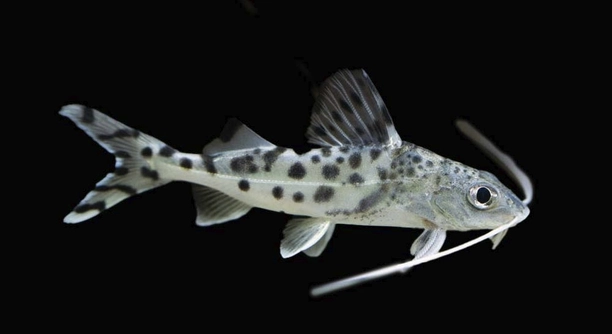
Sounds in an aquarium can affect the behavior of Pictus catfish in surprising ways. These fish are sensitive to their environment and may react strongly to certain noises. Knowing which sounds can cause stress helps create a calm space for them to thrive.
Pictus catfish are particularly startled by sudden loud noises, vibrations from tapping, clanking of aquarium equipment, and loud human voices. These sounds trigger their natural flight response, as they interpret them as potential threats in their environment.
Recognizing these sounds will help you maintain a peaceful habitat and support your catfish’s well-being in your tank.
Loud Noises and Sudden Sounds
Loud noises such as banging on the aquarium stand or dropping objects near the tank can frighten Pictus catfish. These fish are naturally cautious and respond quickly to sudden sounds by darting away or hiding. Even noises from household activities like vacuuming or moving furniture can cause stress. The fish’s sensitivity to loud sounds is linked to their survival instincts in the wild, where loud noises may signal danger. Consistent exposure to loud sounds can lead to long-term stress, affecting their health and behavior. It is best to keep the environment around the tank calm and avoid sudden loud noises. Using a thick stand or placing the aquarium away from heavy traffic areas can help reduce these disturbances. Providing hiding spots inside the tank also offers the catfish a sense of security when unexpected sounds occur.
Sudden loud noises often cause immediate panic and rapid movement in Pictus catfish.
Reducing loud noises in and around the tank will help your catfish stay calm. Over time, they will feel more comfortable and show more natural behavior, which is healthier for their overall well-being. Observing how they react to sounds can guide you in creating a quieter environment. Small changes, like lowering the volume on televisions or avoiding slamming doors, make a noticeable difference. Maintaining this calm atmosphere supports not only the catfish but the entire aquarium community.
Aquarium Equipment and Vibrations
Vibrations from filters, air pumps, or other aquarium equipment can unsettle Pictus catfish. These vibrations create a constant background noise that the fish sense through their sensitive lateral lines. While these devices are necessary for maintaining water quality, their placement and strength can be adjusted to minimize disturbance. For example, using quieter models or placing equipment on vibration-dampening pads helps reduce the impact on the fish. Excessive vibrations may cause the catfish to hide more often or show signs of stress such as erratic swimming or loss of appetite. Regularly checking equipment to ensure it is functioning smoothly and quietly can improve the fish’s comfort. Balancing the need for filtration with a peaceful environment is important for keeping Pictus catfish healthy and stress-free.
Human Voices and Activity
Pictus catfish are sensitive to loud talking, shouting, or sudden noises from people near the tank. These sounds can disturb their peace and cause stress.
Loud or sharp human voices create vibrations and noise that can startle Pictus catfish. They may respond by hiding or swimming erratically. Regular loud activity around the tank can make them nervous and less active. Keeping voices soft and minimizing sudden noises near the aquarium helps the fish stay calm. This also encourages natural behavior, allowing them to explore the tank and interact more comfortably with their environment.
The more consistent and quiet the area near the tank, the better the catfish will adapt. Reducing loud conversations and sudden loud sounds can prevent unnecessary stress. Over time, the catfish will appear healthier and more relaxed. This makes the aquarium more enjoyable for everyone.
Tank Maintenance Sounds
Sounds from cleaning or moving decorations often startle Pictus catfish. Quick or abrupt actions can create sudden noises that disturb them.
When performing maintenance, sudden scraping, knocking, or water splashes create noises that unsettle the catfish. They may react by darting away or hiding for some time afterward. Moving decorations or rearranging plants quickly causes vibrations and sound that increases their stress. Handling maintenance calmly and slowly, with minimal noise, helps reduce the impact on the fish. Preparing the tank before maintenance by dimming lights and speaking softly can also soothe them. The goal is to keep the process as quiet and gentle as possible to avoid frightening the catfish during necessary care.
Tapping on the Glass
Tapping on the glass creates sharp noises and vibrations that spook Pictus catfish. They perceive it as a threat and react by hiding or swimming frantically.
Even light tapping disturbs their sense of safety, causing stress and anxiety. Avoid tapping to maintain a calm environment for your catfish.
Loud Music and Television
Loud music and television sounds produce vibrations and noise waves that penetrate the tank. Pictus catfish are sensitive to these disturbances and often become anxious or stressed.
These constant background noises disrupt their natural behavior and can reduce their appetite and activity levels. Keeping volume levels low or placing the tank away from speakers helps maintain a peaceful habitat.
Household Appliances
Household appliances like washing machines or blenders create vibrations and loud sounds that Pictus catfish detect easily. These noises can cause sudden stress reactions, including hiding or erratic swimming.
What sounds are most likely to spook Pictus catfish?
Pictus catfish are most sensitive to sudden loud noises like tapping on the glass, banging nearby the tank, and loud voices. Vibrations from aquarium equipment and household appliances can also disturb them. These sounds trigger their natural flight response, causing stress and hiding behavior.
How do Pictus catfish react to loud noises?
When startled by loud noises, Pictus catfish often dart quickly around the tank or hide behind decorations. Prolonged exposure to such sounds may make them more nervous, reducing their activity and appetite. They rely on calm surroundings to feel safe and behave normally.
Can aquarium equipment noises harm Pictus catfish?
Yes. Equipment like filters and air pumps produce vibrations that fish sense through their lateral line system. If the vibrations are too strong or irregular, catfish may become stressed. Using quieter equipment or vibration-absorbing pads can help reduce this problem.
Is tapping on the aquarium glass really harmful?
Tapping produces sharp noises and vibrations that frighten Pictus catfish. Even light tapping can cause stress, leading to erratic swimming or hiding. Avoid tapping to help maintain a peaceful environment for your fish.
Do household noises affect Pictus catfish?
Yes. Appliances such as washing machines or blenders generate vibrations and loud sounds that penetrate the tank. These noises can startle catfish, causing sudden panic or prolonged stress if the sounds occur frequently.
How can I reduce noise impact on my Pictus catfish?
Place the tank in a low-traffic area, away from loud appliances or heavy foot traffic. Use aquarium equipment designed for quiet operation and place it on vibration-dampening materials. Keep voices low near the tank and avoid sudden loud noises or tapping.
Will Pictus catfish get used to noises over time?
Some catfish may adapt slowly to constant background noise if it is not too loud or sudden. However, sudden or very loud noises will always cause stress. It is best to keep the environment as quiet and stable as possible to prevent stress-related health problems.
Why is it important to minimize stress in Pictus catfish?
Stress weakens the immune system, making fish more vulnerable to disease. It can also reduce appetite, affect growth, and shorten lifespan. A calm environment supports their health and allows natural behaviors like swimming and feeding to occur regularly.
Are there any signs that my Pictus catfish is stressed by noise?
Signs include hiding more than usual, erratic swimming, loss of appetite, and dull coloration. If you notice these behaviors after loud noises or vibrations, it’s a clear sign your fish is uncomfortable and stressed.
Can music volume near the tank affect Pictus catfish?
Yes. Loud music causes vibrations and noise waves that fish sense. High volume or bass-heavy sounds disturb their environment and cause anxiety. Keeping music volume low or placing the tank away from speakers will help maintain their comfort.
How should I handle tank maintenance to avoid stressing my catfish?
Perform maintenance slowly and quietly. Avoid banging equipment or moving decorations abruptly. Turn down lights before starting and speak softly if near the tank. Calm actions reduce sudden noises and help keep your catfish relaxed during cleaning.
What role do hiding places play in managing noise stress?
Providing plenty of hiding spots allows Pictus catfish to retreat when startled by noises. Plants, caves, and decorations create secure areas that help reduce stress. Well-planned hiding places support their natural behavior and improve their sense of safety.
Can vibrations from outside the house affect Pictus catfish?
Strong external vibrations, such as from nearby construction or heavy traffic, can be felt through floors and walls. These vibrations may stress sensitive fish like Pictus catfish. Isolating the tank or using vibration-absorbing stands can help reduce external disturbance.
Is it okay to talk to my Pictus catfish?
Speaking softly near the tank is usually fine. Loud or sudden voices should be avoided as they cause stress. Quiet voices and calm behavior around the aquarium create a comfortable environment for the fish.
How often should I check equipment noise and vibration?
Regularly inspect aquarium equipment for unusual noise or strong vibrations. Cleaning or replacing worn parts can prevent excessive disturbance. Maintaining quiet, smooth operation supports the well-being of your Pictus catfish.
Do different fish react differently to noises?
Yes, fish species vary in their sensitivity to sound and vibration. Pictus catfish are especially sensitive due to their natural environment and nervous behavior. Understanding your fish’s needs helps tailor the aquarium environment for their comfort.
Creating a peaceful environment for Pictus catfish is essential for their health and happiness. These fish are naturally sensitive to sounds and vibrations that we might not always notice. Loud noises, tapping on the glass, and equipment vibrations can cause stress. Stress affects their behavior, making them hide more and eat less. It can also weaken their immune system, making them more prone to illness. Understanding the sounds that spook Pictus catfish helps in creating a calm space where they feel safe. A quiet and stable environment encourages natural behavior, allowing the fish to swim freely and interact with their surroundings.
It is important to pay attention to both the noise inside and outside the aquarium. Household appliances, loud conversations, and even music played too loudly can disturb Pictus catfish. Regular maintenance activities like cleaning or rearranging decorations should be done gently and quietly to avoid sudden noises. Choosing quieter aquarium equipment and placing it on vibration-dampening pads can also reduce stress. Providing hiding spots inside the tank gives the catfish a place to retreat when they feel threatened by noises. These simple steps help in keeping the fish calm and comfortable over time.
Maintaining a low-noise environment benefits not only Pictus catfish but also the overall aquarium community. A calm tank means less stress for all the fish and better health. Observing how your catfish respond to different sounds will guide you in adjusting the environment as needed. It takes effort to minimize sudden loud noises and vibrations, but the positive effects on your fish’s behavior and health are worth it. Keeping the space peaceful supports long-term well-being, allowing your Pictus catfish to thrive and display their natural beauty in a relaxed setting.

Hello,
If you enjoy the content that we create, please consider saying a "Thank You!" by leaving a tip.
Every little bit helps us continue crafting quality advice that supports the health, happiness, and well-being of pets around the world, for pets of all shapes, sizes, and species.
We really appreciate the kindness and support that you show us!