
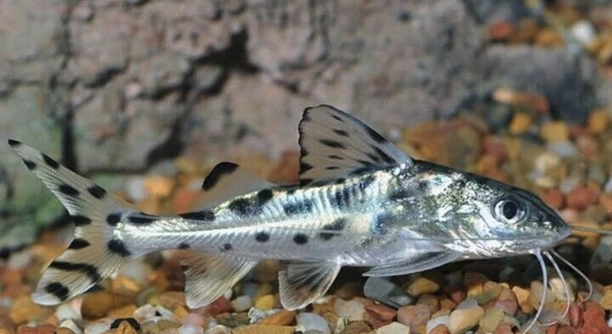
Mood changes in Pictus catfish can affect their behavior and overall health. Recognizing these changes early helps ensure their well-being in home aquariums. Many owners find it challenging to interpret subtle signs of mood shifts in these fish.
Mood changes in Pictus catfish are primarily observed through variations in activity levels, changes in swimming patterns, and alterations in social behavior. Stress, illness, and environmental factors often contribute to these mood fluctuations, making consistent observation critical for proper care.
Understanding how to identify these mood changes can improve your ability to provide a stable and comfortable environment for your catfish. This article will help you notice the key signs to watch for.
Recognizing Behavioral Signs of Mood Changes
Pictus catfish often display mood changes through their behavior. When feeling stressed or unwell, they may become less active or hide more than usual. Conversely, a healthy and calm catfish will swim around confidently and interact with its environment. Sudden bursts of erratic swimming or rubbing against surfaces might indicate discomfort or irritation. Changes in appetite also reflect mood shifts; a fish that suddenly stops eating may be experiencing stress or illness. Observing these behaviors regularly allows you to detect problems early. Consistency in the aquarium setup, including water quality and temperature, plays a major role in maintaining stable moods. Lighting and tank mates also affect their behavior. If a Pictus catfish is constantly hiding, it might feel threatened or insecure. Keeping track of these signs will help you maintain a balanced and healthy tank environment for your fish.
Mood shifts in Pictus catfish usually show through activity changes and interaction with their surroundings.
Monitoring these behaviors helps maintain a healthy environment and prevent long-term health issues.
Environmental Factors Affecting Mood
The environment has a direct impact on the mood of Pictus catfish. Poor water quality, sudden temperature changes, and improper tank size can cause stress. These fish prefer clean water with stable parameters. Introducing new fish or rearranging decorations can also disturb their sense of security. Maintaining a consistent lighting schedule supports natural rhythms. The presence of hiding spots and plants helps the catfish feel safe. When the environment is unstable, they may display signs of anxiety, such as hiding or erratic swimming. Keeping water filtered and regularly tested for ammonia, nitrites, and nitrates reduces stress. Proper tank mates are important too; aggressive or overly active fish can cause tension. Understanding how these environmental factors influence mood can guide better tank management and improve your Pictus catfish’s overall health and comfort. This attention ensures a peaceful aquarium where your fish thrive.
Common Physical Indicators
Pictus catfish often show mood changes through physical signs. Changes in color, fin position, or body posture can indicate stress or discomfort. Observing these signs helps catch issues early.
Physical indicators like duller colors or clamped fins often point to stress. When a catfish feels uneasy, its fins may stay close to the body instead of spreading out. A healthy Pictus catfish usually has bright colors and relaxed fins. Sudden changes in appearance often signal mood shifts caused by environmental factors or illness. Monitoring these signs regularly allows prompt care, reducing the chance of serious health problems.
Other physical symptoms include rapid breathing or excess mucus on the skin. These signs usually indicate discomfort or irritation. Keeping water clean and stable often helps prevent these issues. If physical symptoms persist, consulting a vet experienced with fish is important. This ensures the best treatment and a faster recovery.
Impact of Social Interaction
Pictus catfish are social creatures but can react strongly to tank mates. Aggressive or overly active fish may cause stress and mood changes. Providing compatible companions helps maintain a calm environment.
Proper social interaction influences mood significantly. When housed with peaceful fish, Pictus catfish tend to be more relaxed and active. Stress from bullying or overcrowding can lead to hiding or aggression. Introducing new fish slowly reduces tension. Group size matters too; too few or too many companions can affect behavior. Observing how your catfish responds to others helps adjust the tank setup. A balanced community promotes better mental health for all fish.
Stress Triggers in Pictus Catfish
Stress in Pictus catfish is often caused by poor water quality or sudden changes in their environment. These triggers disrupt their normal behavior and mood.
Other common stressors include overcrowding, aggressive tank mates, and inconsistent lighting. Reducing these factors helps maintain calm and healthy fish.
How to Improve Mood Naturally
Providing hiding spots like plants and caves helps Pictus catfish feel secure. A stable environment with consistent water conditions reduces stress and supports positive mood.
Regular feeding with a balanced diet also improves overall well-being. Avoid sudden changes in tank setup to keep their mood steady and prevent anxiety.
Monitoring Mood Over Time
Regular observation is key to spotting mood changes early. Keeping a log of behaviors and environmental conditions helps track patterns and identify problems before they worsen.
When to Seek Professional Help
If mood changes persist despite adjustments, consulting a veterinarian experienced with fish is necessary. Early intervention can prevent serious health issues.
FAQ
How can I tell if my Pictus catfish is stressed?
Stress in Pictus catfish often shows through changes in behavior and appearance. They might hide more, swim erratically, or lose interest in food. Physical signs include clamped fins, dull colors, and rapid breathing. Checking water quality and tank conditions regularly can help identify and reduce stress factors.
What causes mood swings in Pictus catfish?
Mood swings usually come from environmental changes like water quality fluctuations, temperature shifts, or sudden noise. Introducing new fish or rearranging the tank can also disturb their mood. Stress from aggressive tank mates or overcrowding contributes as well. Stable conditions and compatible companions reduce these mood swings.
Can diet affect my catfish’s mood?
Yes, diet plays a role in mood and health. A poor diet lacking proper nutrients can weaken the immune system, causing irritability or lethargy. Feeding a balanced mix of sinking pellets, live, or frozen foods helps maintain energy and overall well-being. Avoid overfeeding, as it can pollute the tank and harm mood.
How often should I check my tank’s water quality?
Testing water weekly is a good habit. Monitoring ammonia, nitrites, nitrates, and pH levels helps keep the environment safe. Clean water supports a stable mood and prevents illness. Regular partial water changes and filter maintenance are essential parts of good care.
Why does my Pictus catfish hide all the time?
Constant hiding can mean stress or fear. It might be caused by aggressive tank mates, bright lighting, or lack of hiding spots. Providing caves, plants, or decorations gives them safe places to retreat. If hiding continues, check water conditions and tank mates for problems.
What tank mates are best for Pictus catfish?
Peaceful, medium-sized fish that are not overly aggressive make good tank mates. Avoid small fish that could be seen as food or aggressive species that cause stress. Suitable companions help maintain calm and encourage natural social behaviors.
How can I help my catfish adjust to new tank mates?
Introduce new fish slowly and observe interactions closely. Using a quarantine tank before adding new fish reduces disease risk. Rearranging decorations during introductions can prevent territorial fights. Keep an eye on behavior and separate fish if aggression occurs.
Are mood changes normal in Pictus catfish?
Some mood variation is normal, especially during changes in environment or social groups. However, extreme or prolonged changes can indicate health or stress issues. Regular observation helps distinguish normal behavior from warning signs.
What signs indicate illness related to mood changes?
Mood changes paired with physical symptoms like loss of appetite, lethargy, or abnormal swimming can suggest illness. White spots, redness, or swollen areas are also signs. Early treatment improves chances of recovery and mood improvement.
Can lighting affect my catfish’s mood?
Yes, lighting impacts mood and activity. Too bright light can cause stress, while dim or natural lighting supports calm behavior. Maintaining a consistent day-night cycle helps regulate their natural rhythms and mood stability.
Final thoughts on spotting mood changes in Pictus catfish highlight the importance of careful observation. These fish communicate their well-being through behavior, physical appearance, and interaction with their environment. Recognizing subtle signs like changes in swimming patterns, hiding habits, or fin positioning can provide early warnings about stress or health problems. Keeping a close eye on these indicators allows timely intervention to improve their comfort and prevent illness. The key is consistency. Regularly checking water quality, tank conditions, and the behavior of your catfish creates a stable environment where they feel secure and less prone to mood swings. It also helps you notice small changes that might otherwise go unnoticed.
Understanding environmental factors is just as important as watching your fish. Pictus catfish respond strongly to their surroundings, including water temperature, cleanliness, and tank mates. Sudden shifts in these elements can cause anxiety and behavioral changes. Maintaining clean, well-filtered water with stable parameters supports healthy moods. Providing hiding places and suitable companions also encourages a calm atmosphere. Avoiding overcrowding and aggressive fish reduces stress and promotes natural behaviors. When the environment is well managed, Pictus catfish tend to be more active, social, and show brighter colors. These conditions make it easier to detect genuine mood changes that may indicate a problem.
Finally, mood changes in Pictus catfish are a useful tool to understand their overall health and happiness. They may not communicate with words, but their actions speak clearly when you pay attention. Improving their care through proper diet, tank maintenance, and social balance makes a big difference. If you notice persistent negative mood signs, it is important to act quickly and seek professional advice if needed. By staying attentive and proactive, you help ensure your Pictus catfish live a comfortable and healthy life. This not only benefits the fish but also enhances the experience of caring for them.

Hello,
If you enjoy the content that we create, please consider saying a "Thank You!" by leaving a tip.
Every little bit helps us continue crafting quality advice that supports the health, happiness, and well-being of pets around the world, for pets of all shapes, sizes, and species.
We really appreciate the kindness and support that you show us!