
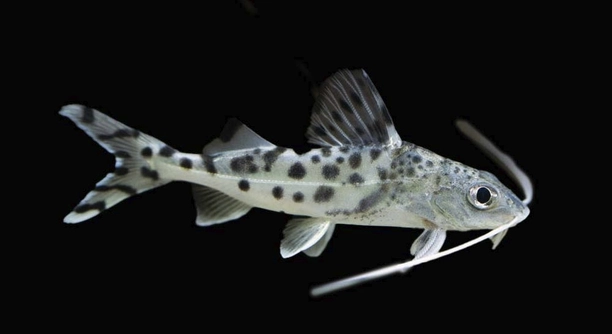
Pictus catfish are popular freshwater aquarium fish known for their active swimming and social behavior. Many fishkeepers wonder about their emotional well-being, especially if these fish can experience feelings like loneliness or isolation. Understanding their social needs is important for keeping them healthy and happy.
Pictus catfish are social animals that prefer to live in groups. When kept alone, they may exhibit signs of stress or boredom, indicating a form of loneliness or isolation. Providing them with companions supports their natural behavior and well-being.
Learning about their social habits can improve how you care for pictus catfish and help create a more balanced environment in your aquarium.
Understanding Pictus Catfish Social Behavior
Pictus catfish naturally live in groups in the wild, often swimming together and interacting frequently. Their social nature means they rely on the presence of others for comfort and security. When alone, these fish may become shy, hide more often, or show reduced activity. This behavior reflects their need for companionship to feel safe. Without a group, they might also stop eating as regularly or lose interest in their surroundings. For aquarists, knowing this helps in creating a suitable environment. Keeping at least three or more pictus catfish together encourages natural schooling behavior. It also reduces stress, making them more vibrant and active. Providing plants, hiding spots, and ample swimming space further supports their social needs. This setup allows them to thrive, showing their natural playful and curious side. Observing how they interact can be rewarding and confirms that they are happier with company.
Keeping pictus catfish in groups is essential for their overall well-being and reduces signs of stress.
Understanding their social needs lets you provide better care and improve your aquarium’s environment for these lively fish.
Signs of Loneliness in Pictus Catfish
Lonely pictus catfish often become less active and retreat to hiding places more frequently. Their usual energetic swimming patterns slow down, and they may lose interest in food. This behavior signals discomfort and stress, which can lead to health problems over time. When they have companions, pictus catfish display more natural behaviors, such as chasing each other playfully and exploring the tank. The absence of these behaviors usually means the fish is isolated and unhappy. Observing these signs early allows owners to make changes by adding more fish or improving tank conditions. Sometimes, loneliness can also cause aggressive behavior or excessive hiding. These signs should not be ignored, as they impact the fish’s quality of life and lifespan. Being proactive in maintaining a social group is the best way to prevent these negative effects and keep pictus catfish thriving.
A lively tank with multiple pictus catfish reduces loneliness and supports natural behavior patterns.
Creating the Right Environment for Pictus Catfish
A spacious tank with plenty of hiding spots is crucial for pictus catfish to feel secure. They need room to swim actively and explore without stress. Adding plants and decorations mimics their natural habitat.
Providing clean, well-filtered water at a steady temperature supports their health and behavior. Regular maintenance prevents stress caused by poor water quality. Lighting should be moderate to avoid startling them since they prefer dimmer environments. Soft substrate like sand or smooth gravel protects their sensitive barbels. Ensuring a balanced diet also contributes to their well-being, making them more social and active. Small schooling fish or bottom dwellers work well as tank mates, helping pictus catfish feel less isolated.
This setup encourages natural behavior and reduces signs of loneliness or stress. Keeping the environment stable and comfortable is key to their happiness and longevity.
Tank Mates and Social Needs
Pictus catfish thrive with companions of their own species or similar peaceful fish. Avoid aggressive or overly territorial tank mates, which can cause stress. Compatible species include small tetras, rasboras, or Corydoras catfish.
Grouping pictus catfish together satisfies their social instincts, encouraging interaction and reducing isolation. When kept in groups of three or more, they display active schooling behavior and appear more confident. Introducing tank mates gradually and monitoring interactions helps maintain harmony. Providing ample space and hiding spots prevents overcrowding and reduces potential conflicts. Paying attention to social dynamics in the tank ensures pictus catfish remain calm, active, and healthy. Proper social grouping is essential for their mental and physical well-being in captivity.
How to Spot Stress in Pictus Catfish
Signs of stress include erratic swimming, hiding excessively, and loss of appetite. These behaviors often indicate loneliness or poor tank conditions.
Monitoring these signs regularly helps catch issues early. Stress can lead to illness, so addressing causes quickly is important for their health.
Improving Your Pictus Catfish’s Well-Being
Maintaining a stable environment with clean water, proper temperature, and good nutrition is vital. Regular tank cleaning prevents harmful buildup, reducing stress. Adding companions and ensuring enough space encourages natural behavior. Enriching their habitat with plants and hiding spots creates comfort. Keeping the tank calm and avoiding sudden changes helps pictus catfish feel secure. When these factors are met, they become more active and display healthy social interactions. Focusing on these aspects improves both their mental and physical health, making your aquarium a better home.
Feeding Tips for Social Fish
Provide a varied diet including sinking pellets, live or frozen foods. Feeding small amounts several times a day keeps them healthy.
FAQ
Can pictus catfish live alone?
Pictus catfish can survive alone, but they often become stressed or inactive without companions. These fish are naturally social and feel safer in groups. Keeping just one may lead to signs of loneliness, such as hiding or lack of appetite. For their mental health, it’s better to keep them with at least two or three others.
How many pictus catfish should I keep together?
A group of three to five pictus catfish is ideal. This number allows them to exhibit natural schooling behavior and reduces stress. Smaller groups may feel isolated, while overcrowding can cause territorial disputes. A balanced group size encourages activity and social interaction.
What tank size is suitable for pictus catfish?
A minimum of 30 gallons is recommended for a small group. Pictus catfish are active swimmers and need space to move freely. Larger tanks help maintain water quality and reduce stress by giving fish room to avoid conflicts.
What are good tank mates for pictus catfish?
Peaceful fish like tetras, rasboras, and Corydoras catfish are good companions. Avoid aggressive or large territorial species, as these can stress pictus catfish. Matching temperament and size helps keep the tank harmonious and reduces chances of bullying.
How do I know if my pictus catfish is lonely?
Signs include lethargy, hiding often, loss of appetite, or unusual aggression. These behaviors indicate discomfort and stress, possibly from isolation. Observing your fish’s behavior regularly helps catch these signs early and allows you to improve their environment.
Can pictus catfish feel lonely like mammals?
While pictus catfish don’t experience loneliness exactly like mammals, they do show social stress when isolated. Their behavior changes, indicating a need for companions to feel secure and engage naturally. Their well-being depends on social interactions, even if it’s not the same emotional experience humans have.
What happens if pictus catfish are kept alone for too long?
Extended isolation can cause stress-related health problems, such as weakened immunity or reduced lifespan. Fish may become withdrawn or less active, making them more vulnerable to diseases. Providing company and enriching their tank environment is essential for long-term health.
How often should I clean my pictus catfish tank?
Regular cleaning is necessary to maintain water quality and reduce stress. Partial water changes of about 20-30% weekly or biweekly are recommended. Over-cleaning can remove beneficial bacteria, so balance is important. Keeping a clean tank supports your fish’s health and behavior.
Do pictus catfish interact with their owners?
Pictus catfish may recognize feeding routines and swim closer during feeding times. They are curious and can show activity when someone approaches the tank, but they don’t form bonds like mammals do. Their social focus is mostly on other fish.
Can stress from loneliness affect pictus catfish behavior long term?
Yes, long-term stress can lead to behavioral changes such as reduced activity, poor appetite, and hiding. Chronic stress also weakens their immune system, increasing the risk of illness. Ensuring they have companions and a proper environment helps prevent these problems.
What is the best diet to keep pictus catfish healthy and social?
A varied diet with sinking pellets, live or frozen foods like bloodworms or brine shrimp supports their health. Feeding small portions multiple times daily encourages activity and reduces competition. Healthy fish tend to be more social and display natural behaviors.
Are there any special decorations that help reduce loneliness?
Adding plants, caves, and hiding spots gives pictus catfish places to rest and feel secure. These decorations mimic their natural environment and encourage exploration. A well-decorated tank reduces stress and supports social interaction by providing space for multiple fish to spread out comfortably.
Pictus catfish are naturally social creatures that do best when kept with companions. Their behavior changes noticeably when they are alone, often showing signs of stress or loneliness. These fish rely on the presence of others for comfort, security, and to express their natural swimming and schooling habits. When pictus catfish are kept in groups, they are more active, curious, and display healthier behavior overall. This social aspect is important to consider when planning their care, as it directly impacts their well-being.
Creating the right environment is just as important as providing company. A spacious tank with plenty of hiding places, clean water, and stable conditions helps pictus catfish feel safe and reduces stress. They are sensitive to changes in their surroundings and thrive in a setting that mimics their natural habitat. Keeping the water clean and feeding them a balanced diet contributes to their physical health and encourages social interactions. Taking time to observe their behavior can reveal how comfortable they feel and whether adjustments are needed to their care or environment.
Understanding pictus catfish social needs benefits both the fish and their caretakers. When these fish live in appropriate groups and conditions, they live healthier, longer lives and provide more enjoyment to those who keep them. Paying attention to their signs of stress or loneliness allows for timely action, improving their quality of life. Overall, supporting their social nature through proper tank setup and companionship is key to maintaining happy and thriving pictus catfish in any aquarium.

Hello,
If you enjoy the content that we create, please consider saying a "Thank You!" by leaving a tip.
Every little bit helps us continue crafting quality advice that supports the health, happiness, and well-being of pets around the world, for pets of all shapes, sizes, and species.
We really appreciate the kindness and support that you show us!