
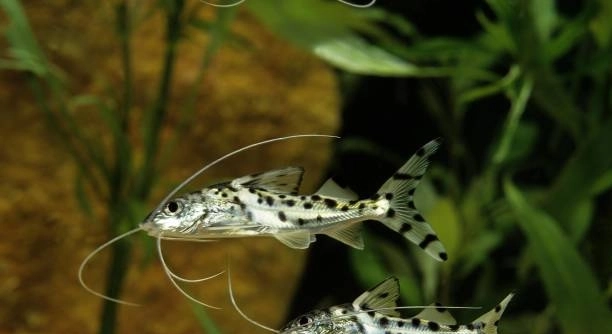
Pictus catfish are popular choices for aquarium enthusiasts looking for active and peaceful bottom dwellers. They bring movement and interest to the tank’s lower levels. Many hobbyists wonder if these catfish should be the only species inhabiting the bottom area.
Pictus catfish can coexist with other bottom dwellers, but their active nature and territorial behavior may create competition for space and resources. Choosing compatible species depends on tank size, hiding spots, and overall community balance. Proper planning ensures harmony among bottom inhabitants.
Understanding the role of pictus catfish and their tank mates helps create a healthier and more balanced aquarium environment. This article explores how to manage bottom dwellers effectively.
Characteristics of Pictus Catfish
Pictus catfish are known for their slender bodies, long barbels, and distinctive spotted patterns. They are active swimmers, often seen darting around the aquarium during the day. Their social nature means they prefer living in groups of at least five or six. These fish can grow up to six inches, requiring ample space to move freely. Pictus catfish are peaceful but can show mild territorial behavior, especially when it comes to their preferred hiding spots. Their activity level makes them stand out among bottom dwellers, which are often slow-moving. Because they spend a lot of time swimming in open areas near the bottom, they need smooth substrate to avoid injury. They also tend to be sensitive to poor water conditions, so consistent maintenance is essential. Their diet includes small invertebrates, sinking pellets, and occasional live food, which supports their energy needs and helps keep the tank clean.
Their active swimming behavior means they need a larger tank with plenty of space.
Knowing their physical and behavioral traits helps when selecting suitable tank mates and aquarium conditions.
Compatibility with Other Bottom Dwellers
Pictus catfish can share a tank with other bottom-dwelling species, but compatibility depends on behavior and habitat needs. They tend to avoid slow-moving or very shy species that occupy the same hiding spaces. Species like corydoras catfish often work well because they are smaller and less territorial. Avoid aggressive bottom dwellers or those that compete strongly for food, as this can lead to stress or injury. Providing plenty of hiding spots, caves, and plants reduces conflicts and gives fish their own territory. Tank size is also important; a crowded tank increases competition. The goal is to create an environment where each species has space and resources without constant stress.
Choosing compatible bottom dwellers requires careful observation of behavior and tank layout.
Planning tank mates carefully supports peaceful coexistence and a healthy aquarium.
Tank Setup for Pictus Catfish
Pictus catfish need a tank that offers plenty of swimming space and hiding spots. They prefer a soft, sandy substrate to protect their barbels. Decorations like driftwood, caves, and plants help create a natural environment. Good water flow and clean water are essential for their health.
Maintaining stable water parameters is crucial. Pictus catfish thrive in temperatures between 72°F and 79°F with a pH around 6.5 to 7.5. Regular water changes help prevent waste buildup, which they are sensitive to. Filtration should be strong enough to handle their activity but not cause excessive turbulence. A well-planned tank setup minimizes stress and supports natural behavior, making the fish more active and healthy. Avoid sharp decorations that could injure them.
Lighting should be moderate, not too bright, as pictus catfish are more comfortable with dim conditions. Providing shaded areas helps them feel secure. Live plants can improve water quality and offer extra cover. Overall, a balanced tank setup ensures they thrive and coexist peacefully with other species.
Feeding and Diet Considerations
Pictus catfish are omnivores with a preference for protein-rich foods. Sinking pellets or wafers work well, along with occasional live or frozen foods such as bloodworms and brine shrimp. Feeding small portions multiple times a day helps maintain their energy.
Their natural scavenging habits mean they often search for leftover food at the bottom, but care should be taken not to overfeed. Excess food can pollute the tank and harm water quality. A varied diet supports their health, enhancing coloration and activity. Vegetables like blanched zucchini or cucumber can be offered occasionally to provide fiber. Monitoring their diet ensures they get enough nutrition without compromising tank cleanliness.
Feeding habits may change depending on tank mates. In a community setup, make sure pictus catfish get enough food by observing their eating behavior. Sometimes slower or more aggressive feeders can take over, leaving the pictus catfish hungry. Hand feeding or targeted feeding with a turkey baster can help. A consistent feeding schedule and diet variety contribute to their well-being and longevity.
Common Health Issues
Pictus catfish are generally hardy but can suffer from fin rot and bacterial infections if water quality is poor. Keeping the tank clean helps prevent most health problems. Stress from overcrowding or incompatible tank mates can also weaken their immune system.
Regular observation is important to catch early signs of illness like clamped fins or lethargy. Quarantining new fish before adding them to the tank reduces disease risk. A balanced diet supports their health and resilience. Prompt treatment at the first sign of trouble improves recovery chances and prevents outbreaks.
Behavior in Community Tanks
Pictus catfish are social fish that prefer to live in groups. They interact actively with each other and add life to the bottom level of the aquarium. However, their active swimming can sometimes stress slower bottom dwellers.
Providing enough space and hiding spots minimizes conflicts. When properly managed, pictus catfish contribute to a lively and balanced community tank. Their playful nature often makes them a favorite for those who appreciate activity at all tank levels.
Tank Maintenance Tips
Regular water changes are essential to keep conditions stable. Weekly partial water changes of 20-30% help maintain good water quality for pictus catfish. Using a gravel vacuum removes uneaten food and debris.
Keeping the filter clean ensures efficient operation but avoid washing filter media with tap water to preserve beneficial bacteria. Monitoring water parameters frequently helps catch issues early and keeps the environment safe for all fish.
FAQ
Can pictus catfish live alone?
Pictus catfish are social and prefer to live in groups of at least five or six. Keeping one alone can cause stress and lead to unhealthy behavior. When in groups, they show natural schooling and active swimming. A solitary pictus catfish may become shy or inactive, so it’s best to keep them with companions.
What size tank is suitable for pictus catfish?
A minimum tank size of 30 gallons is recommended for a small group of pictus catfish. They need enough space to swim actively without feeling cramped. Larger tanks also help reduce territorial behavior and allow for proper tank mates. Overcrowding should be avoided to maintain water quality and reduce stress.
Are pictus catfish aggressive toward other fish?
Pictus catfish are generally peaceful but can be territorial with other bottom dwellers. They are not aggressive toward mid- or top-level fish. Providing enough hiding places and space minimizes conflicts. Avoid housing them with very slow or shy bottom species that may be stressed by their activity.
What do pictus catfish eat?
They are omnivores that prefer protein-rich foods such as sinking pellets, bloodworms, and brine shrimp. Vegetables like zucchini can be offered occasionally. Their diet should be varied to maintain health and coloration. Feeding small portions multiple times daily helps prevent overfeeding and maintains water quality.
How often should I feed pictus catfish?
Feeding pictus catfish two to three times daily in small amounts is ideal. This matches their natural feeding habits and energy needs. Overfeeding can cause water pollution and health issues, so only give what they can consume in a few minutes. Monitor their behavior to adjust feeding amounts if necessary.
Can pictus catfish live with shrimp or snails?
Pictus catfish may prey on small shrimp and snails if they can catch them. Larger shrimp species might be safer, but risk remains. Snails with hard shells tend to be safer tank mates. If keeping shrimp or snails, provide plenty of hiding spots to reduce predation risk.
How long do pictus catfish live?
With proper care, pictus catfish can live 8 to 10 years in captivity. Good water quality, a balanced diet, and a suitable tank environment contribute to their longevity. Stress reduction by avoiding aggressive tank mates also helps them live longer, healthier lives.
Do pictus catfish require special water conditions?
They prefer clean, well-oxygenated water with temperatures between 72°F and 79°F. A pH range of 6.5 to 7.5 is ideal. Strong filtration and regular water changes keep waste levels low. Stable water parameters reduce stress and prevent common diseases.
Why are my pictus catfish hiding all the time?
Excessive hiding usually indicates stress or poor water conditions. Check water quality and ensure the tank is not overcrowded. Lack of hiding spots or incompatible tank mates may also cause hiding behavior. Providing caves, plants, and dim lighting can help them feel secure and encourage activity.
Are pictus catfish suitable for beginners?
Pictus catfish can be kept by beginners if proper care is provided. They need a stable tank environment, regular maintenance, and suitable tank mates. Their active nature makes them rewarding to watch, but they require attention to water quality and diet to thrive.
How can I tell if my pictus catfish is healthy?
Healthy pictus catfish are active, swim freely, and have clear eyes with intact fins. They respond to feeding and show natural schooling behavior. Signs of illness include lethargy, clamped fins, discoloration, or unusual spots. Regular observation helps catch health problems early.
Can pictus catfish jump out of the tank?
Yes, pictus catfish are known jumpers, especially if stressed or startled. Keeping a secure lid on the tank is important to prevent escapes. Providing hiding spots and stable conditions reduces their tendency to jump.
How do pictus catfish interact with other fish?
They generally coexist peacefully with mid- and top-level swimmers but can be slightly territorial with other bottom dwellers. Their active swimming can sometimes intimidate slower species. Proper tank size and hiding places help maintain harmony in community tanks.
What is the best substrate for pictus catfish?
A soft, sandy substrate is best to protect their delicate barbels. Sharp gravel or rough surfaces can cause injuries or infections. Sand also allows them to forage naturally and feel comfortable while swimming along the bottom.
Can pictus catfish tolerate different water hardness levels?
They adapt best to moderately soft to slightly hard water. Extreme hardness or softness may cause stress. Testing and adjusting water hardness helps keep them comfortable. Sudden changes should be avoided to prevent health issues.
What signs indicate that pictus catfish are stressed?
Stress signs include hiding excessively, loss of appetite, erratic swimming, and faded coloration. Stress often results from poor water quality, overcrowding, or aggressive tank mates. Addressing these issues quickly helps restore their health and behavior.
How often should I clean the tank when keeping pictus catfish?
Partial water changes of 20-30% weekly are recommended. Regular substrate vacuuming removes uneaten food and debris. Cleaning the filter monthly keeps it functioning well but avoid disturbing beneficial bacteria too much. Consistent maintenance supports healthy water parameters.
Can pictus catfish live with cichlids?
Most cichlids are too aggressive or territorial for pictus catfish. Smaller, peaceful cichlids might be compatible in large tanks with enough hiding spots. However, caution is advised because many cichlids may harass or stress pictus catfish, especially at the bottom.
Are pictus catfish nocturnal?
They are mostly active during the day but tend to be more active at dawn and dusk. They rest during the night but can sometimes move around quietly. Providing dim lighting and shaded areas suits their natural rhythm and reduces stress.
How can I breed pictus catfish?
Breeding pictus catfish in home aquariums is challenging. They require specific water conditions, large tanks, and plenty of hiding places. Spawning behavior includes chasing and cleaning flat surfaces for egg laying. Most breeders use separate breeding tanks to protect eggs and fry.
What should I do if my pictus catfish stops eating?
Loss of appetite may indicate stress, illness, or poor water quality. Check tank conditions and observe for other symptoms. Offering live or frozen food can stimulate feeding. If the problem persists, consult with an experienced aquarist or veterinarian.
Final thoughts on pictus catfish and their place in the aquarium bottom zone focus on understanding their unique needs and behaviors. These fish are active and social, which means they do best when kept in groups. Their activity level and occasional territorial nature require a well-planned tank setup with plenty of space and hiding spots. They are not suited to be the only bottom dwellers simply because they thrive better with compatible companions and a balanced environment. Recognizing how they interact with other fish and their surroundings is key to creating a harmonious aquarium.
Tank conditions play a major role in the health and happiness of pictus catfish. They need clean, well-oxygenated water with stable temperature and pH levels. A soft sandy substrate protects their delicate barbels and allows natural foraging. Proper feeding routines with varied diets ensure they get the nutrients they need without causing water quality problems. Regular maintenance, including water changes and filter cleaning, helps prevent common health issues and stress. Attention to these details makes it easier to keep pictus catfish thriving alongside other species.
Deciding whether pictus catfish should be the only bottom dwellers depends on the overall community setup and tank size. While they can share space with some compatible species, overcrowding or mixing with aggressive or very slow bottom dwellers can lead to stress and conflicts. Providing enough hiding places and monitoring behavior closely will support peaceful coexistence. In the end, the goal is to create an aquarium that supports the natural habits of all fish, including pictus catfish, making the tank a healthy and enjoyable space for every inhabitant.

Hello,
If you enjoy the content that we create, please consider saying a "Thank You!" by leaving a tip.
Every little bit helps us continue crafting quality advice that supports the health, happiness, and well-being of pets around the world, for pets of all shapes, sizes, and species.
We really appreciate the kindness and support that you show us!