
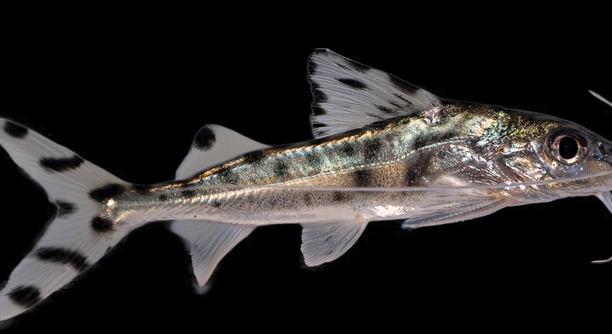
Pictus catfish are popular freshwater fish known for their active nature and striking appearance. Many fish owners wonder if these catfish can become bored in their tanks when the environment lacks stimulation or variety. Understanding their behavior can help keep them healthy and engaged.
Pictus catfish can show signs of boredom if their tank environment is monotonous or lacks enrichment. Boredom may lead to reduced activity, stress, or unhealthy behaviors. Providing varied decorations, hiding spots, and regular interaction helps maintain their well-being and natural instincts.
Maintaining an engaging tank setup benefits both the fish and their owners by promoting natural behaviors and reducing stress-related problems.
Signs Pictus Catfish Show When They Get Bored
When pictus catfish become bored, their behavior changes noticeably. They may swim less and spend more time hiding or resting at the bottom of the tank. Sometimes, they might repeatedly swim against the glass or display restless movements. These actions indicate that the environment isn’t providing enough stimulation. Lack of activity can lead to stress, which weakens their immune system and makes them prone to illness. Bored catfish may also lose interest in food or interaction with tank mates. Observing these signs early helps in adjusting their surroundings to keep them lively and healthy. It’s important to remember that pictus catfish are active by nature and need mental and physical engagement to thrive. If their tank is too simple or overcrowded, boredom and stress become more likely. A balanced environment supports their natural behaviors and keeps them comfortable over time.
Boredom in pictus catfish often leads to stress-related behavior changes. Keeping the tank engaging helps prevent these issues.
Adding variety to the tank with plants, driftwood, and hiding places encourages exploration and natural activity. Changing decorations occasionally keeps the environment fresh. Gentle water currents can simulate their natural habitat, promoting swimming and play. Feeding in different ways, like using sinking pellets or live food, also engages their hunting instincts. Regular tank maintenance, including water quality checks, contributes to their overall well-being. A lively environment results in happier, healthier pictus catfish that show more natural behaviors. The effort to enrich their space can greatly improve their quality of life and reduce the chance of boredom.
How to Keep Pictus Catfish Engaged in Their Tank
To keep pictus catfish engaged, variety and stimulation are essential. A simple tank won’t meet their needs for long.
Adding live plants, rocks, and driftwood creates hiding spots and encourages exploration. This mimics their natural environment and helps reduce boredom. Introducing gentle water currents provides exercise and sensory stimulation. Regularly changing tank decorations prevents the environment from becoming predictable. Feeding with live or frozen foods keeps their hunting instincts active, making mealtimes more interesting. Interaction during feeding, like target feeding, can also engage them. Ensuring tank mates are compatible avoids stress, which can worsen boredom. Tank maintenance, including cleaning and water quality checks, ensures a healthy space that supports activity. Providing these elements allows pictus catfish to express their natural behaviors and stay mentally stimulated. This approach supports their overall health and makes the tank more enjoyable to watch.
Tank Size and Its Impact on Pictus Catfish Behavior
A proper tank size is crucial for pictus catfish to stay active and healthy. Small tanks limit their swimming space and increase stress levels.
Pictus catfish are naturally active swimmers that need ample room to move freely. A tank smaller than 30 gallons can restrict their movement and cause boredom. Larger tanks with open swimming areas allow them to explore and express natural behaviors. Crowded or cramped conditions can lead to aggressive interactions or hiding, reducing their activity. Providing enough space not only improves their mood but also supports better water quality, which is vital for their health. More room in the tank also offers better opportunities for creative decoration and hiding spots, making the environment more stimulating.
Choosing the right tank size also means considering their growth. Pictus catfish can reach up to 5 inches in length, so adequate space prevents overcrowding as they mature. A spacious tank lets you add plants and decorations that contribute to enrichment without limiting swimming space. Proper tank size balances their physical needs and mental stimulation, helping to avoid boredom and keep them thriving.
Feeding Habits and Mental Stimulation
Variety in diet plays an important role in preventing boredom for pictus catfish. A repetitive feeding routine can reduce their interest in food.
Offering a mix of sinking pellets, frozen, and live foods encourages natural hunting behaviors. Live foods like bloodworms or brine shrimp activate their senses and make feeding time engaging. Feeding in different areas of the tank also promotes movement and exploration. Avoid overfeeding, which can cause water quality issues and affect fish health. Scheduled feeding times help maintain a routine while giving the fish something to anticipate.
Feeding methods can be adjusted to create mental stimulation. Using feeding rings or scatter feeding encourages searching and activity. Occasionally hiding food inside decorations or plants mimics natural foraging and prevents monotony. These small changes keep pictus catfish interested and active. A diverse and engaging feeding routine supports their well-being and helps reduce boredom by encouraging natural instincts.
Tank Decor and Enrichment
Adding decor like plants, rocks, and driftwood creates hiding spots and exploration areas. These features help reduce stress and boredom in pictus catfish.
Decor should be arranged to leave open swimming space. Overcrowding with decorations can limit movement and cause frustration.
Lighting Conditions and Activity Levels
Proper lighting affects pictus catfish behavior. Too bright or constant light can stress them and reduce activity. Providing a natural day-night cycle helps regulate their routine and encourages regular movement. Dim lighting or shaded areas allow them to rest comfortably and feel secure. Adjusting light duration supports their natural rhythms and keeps them engaged without overwhelming their senses.
Social Interaction Needs
Pictus catfish benefit from tank mates but should be kept with compatible species. Aggressive or overly shy tank mates can increase stress. Grouping them in small schools encourages natural social behavior and reduces boredom. Proper social interaction supports mental stimulation and well-being.
Can pictus catfish get bored of their tank?
Yes, pictus catfish can get bored if their tank lacks stimulation. Boredom may cause them to become less active, hide more, or show repetitive behaviors. Keeping their environment enriched with hiding spots, plants, and varying decorations helps prevent boredom and keeps them engaged.
How can I tell if my pictus catfish is bored?
Signs include reduced swimming activity, frequent hiding, and repetitive swimming patterns like pacing along the tank glass. They might also lose interest in food or seem restless. Observing these behaviors early can help you adjust their tank setup to improve their environment.
What size tank is best to prevent boredom in pictus catfish?
A minimum of 30 gallons is recommended for pictus catfish to have enough swimming space. Larger tanks allow them to explore and express natural behaviors, which reduces boredom. Overcrowding or small tanks limit their movement and can lead to stress.
What decorations help keep pictus catfish entertained?
Driftwood, rocks, and live or artificial plants create hiding spots and areas to explore. These enrich the tank and make it less predictable. However, it’s important not to overcrowd the tank, leaving enough open swimming space.
How often should I change the tank decorations?
Changing decorations every few months can help keep the environment interesting for pictus catfish. Rearranging existing decor or adding new pieces stimulates their curiosity and encourages exploration.
Does lighting affect pictus catfish activity?
Yes, proper lighting supports their natural behavior. Too bright or constant light can stress them and reduce activity. A natural day-night cycle with dim or shaded areas allows them to rest and feel secure.
What is the best feeding routine to keep pictus catfish mentally stimulated?
Offering a varied diet of sinking pellets, frozen, and live foods encourages natural hunting behavior. Feeding in different tank areas or hiding food inside decorations mimics foraging and keeps mealtime interesting.
Can pictus catfish live alone or do they need tank mates?
Pictus catfish prefer living in groups of at least three to five individuals. They are social fish and schooling reduces stress and boredom. However, tank mates should be peaceful and compatible to avoid aggression.
What are some signs of stress related to boredom in pictus catfish?
Stress signs include loss of appetite, dull coloration, lethargy, and excessive hiding. Repetitive swimming patterns and glass chasing also indicate discomfort. Improving tank conditions and enrichment usually helps reduce stress.
How does water quality affect pictus catfish behavior?
Poor water quality causes stress and health problems, which can mimic boredom signs. Regular water changes and monitoring ammonia, nitrite, and nitrate levels are important to maintain a healthy environment for active behavior.
Can I use toys or objects to entertain my pictus catfish?
While fish don’t play with toys like mammals, introducing new objects like smooth stones or floating plants can spark curiosity. Changing these items occasionally adds novelty and encourages exploration.
How much space do pictus catfish need to swim comfortably?
They need open swimming areas without obstruction. A tank with a length of at least 36 inches is ideal. This space allows them to swim actively and reduces stress.
Is it harmful if pictus catfish constantly hide?
Excessive hiding often signals stress or boredom. It’s important to check tank conditions, lighting, and tank mates. Adding more enrichment and space usually encourages them to become more active.
How do I prevent pictus catfish from becoming bored when I’m not home often?
Setting up a well-decorated tank with varied hiding spots and stimulating feeding methods helps keep them engaged. Automatic feeders can provide consistent feeding times to maintain routine and activity.
Can changing the tank’s environment too often stress pictus catfish?
Frequent drastic changes can cause stress. It’s best to make gradual adjustments and allow the fish time to adapt. Small changes like rearranging plants or adding a new decoration every few months work well.
Does water temperature influence pictus catfish activity?
Yes, maintaining water temperature between 72-79°F keeps pictus catfish comfortable and active. Temperatures too low or too high can reduce activity and affect their mood.
What tank mates are best to keep pictus catfish stimulated?
Peaceful community fish like tetras, rasboras, and corydoras make good tank mates. They encourage social behavior without causing stress or aggression, which helps prevent boredom.
Can pictus catfish get bored with the same food every day?
Yes, feeding the same food repeatedly can reduce their interest. Offering a variety of foods keeps their diet interesting and encourages natural foraging behavior.
How important is water current for pictus catfish?
Moderate water current mimics their natural habitat and encourages swimming. It provides sensory stimulation that helps reduce boredom and keeps them physically active.
What should I do if my pictus catfish shows signs of boredom?
Increase tank enrichment by adding plants, decorations, and hiding spots. Vary their diet and feeding methods. Ensure proper tank size and water quality. Introducing compatible tank mates can also improve their activity and reduce boredom.
When caring for pictus catfish, keeping them mentally and physically engaged is important for their overall health. These fish are naturally active and curious, so a simple, empty tank can lead to boredom and stress. Providing a spacious tank with plenty of hiding spots and places to explore helps keep them busy. This not only reduces boredom but also encourages natural behaviors, which contributes to their well-being. The environment you create plays a big role in how happy and healthy your pictus catfish will be.
Feeding routines also impact their mental stimulation. Offering a varied diet with different types of food, including live and frozen options, can keep their interest during mealtime. Changing how and where you feed them adds another layer of activity, making feeding time more engaging. Small changes like hiding food or using feeding rings encourage natural hunting behaviors. These simple actions help break the routine and prevent your fish from becoming bored or lethargic.
Maintaining proper water quality, lighting, and social conditions supports your pictus catfish’s overall health and activity levels. Clean water and a balanced environment reduce stress and keep their energy up. Grouping them with compatible tank mates encourages social interaction, which helps prevent loneliness and boredom. By paying attention to these factors and regularly adjusting their tank setup, you create a comfortable, stimulating home where pictus catfish can thrive over the long term.

Hello,
If you enjoy the content that we create, please consider saying a "Thank You!" by leaving a tip.
Every little bit helps us continue crafting quality advice that supports the health, happiness, and well-being of pets around the world, for pets of all shapes, sizes, and species.
We really appreciate the kindness and support that you show us!