
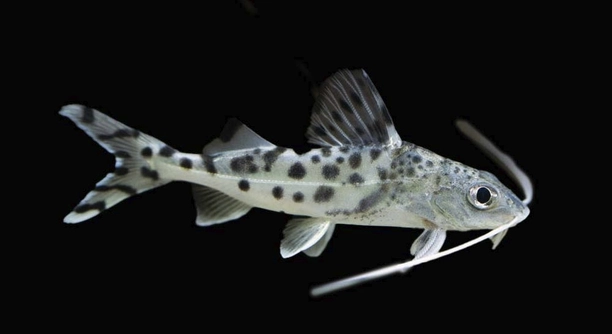
Is your Pictus catfish swimming upside down, catching your attention? This unusual behavior often surprises fish owners and raises concerns about the health and comfort of their aquatic pet. Understanding why this happens is important for proper care.
Pictus catfish swim upside down primarily due to swim bladder issues or stress. The swim bladder controls buoyancy, and any dysfunction can cause disorientation. Additionally, water quality, diet, or tank conditions may contribute to this behavior, affecting the fish’s normal swimming patterns.
Recognizing the reasons behind this behavior can help maintain your fish’s well-being and improve its living environment effectively.
Common Causes of Upside Down Swimming
One common reason Pictus catfish swim upside down is a problem with their swim bladder. The swim bladder is an internal organ that helps fish control their buoyancy and maintain balance. When it is affected by infection, injury, or poor diet, the fish may struggle to swim normally. Poor water quality can also contribute to this issue by stressing the fish or causing illness. Overfeeding or feeding inappropriate food might lead to digestive problems that impact the swim bladder. Sometimes, sudden changes in the tank environment or temperature fluctuations can confuse the fish, leading to unusual swimming behavior. It is important to monitor your tank conditions closely and maintain regular cleaning routines. Observing your fish for other signs of illness, such as lethargy or discoloration, can help you decide if veterinary care is needed.
Maintaining stable, clean water conditions is essential to preventing stress in your Pictus catfish and keeping its swim bladder healthy.
If the swim bladder is affected, you can try adjusting the fish’s diet, reducing feeding amounts, and ensuring water parameters are within recommended ranges. Avoid overfeeding and provide a balanced diet with sinking pellets or high-quality flakes. Regular water changes and avoiding sudden temperature changes help minimize stress. If the problem persists or the fish shows signs of illness, consult a vet experienced with fish. Sometimes medications or special treatments are necessary to address infections. Keeping a stable environment is the best way to help your Pictus catfish regain normal swimming behavior and avoid repeated issues.
Tank Environment and Its Impact
Tank setup plays a role in your catfish’s swimming habits.
Water quality is a key factor, so testing for ammonia, nitrites, and nitrates regularly is crucial. Poor filtration or overcrowding can stress fish, causing abnormal behaviors. A well-maintained tank with appropriate hiding spots and proper lighting reduces stress and helps the fish feel secure. The size of the tank also matters; a cramped space can limit natural movement. Temperature should be kept steady within the species’ preferred range to avoid confusion or shock. Proper aeration ensures sufficient oxygen, supporting healthy swimming. Small adjustments to the tank environment can make a significant difference in your Pictus catfish’s comfort and behavior, promoting healthier swimming patterns and overall well-being.
Dietary Factors Affecting Swimming Behavior
Overfeeding can cause digestive issues that affect the swim bladder. Feeding your Pictus catfish inappropriate or bulky foods may also lead to buoyancy problems.
A balanced diet is essential for the health of your Pictus catfish. Feeding high-quality sinking pellets or specially formulated catfish food helps avoid digestive stress. Avoid feeding large amounts at once, as this can lead to constipation and swim bladder problems. Including occasional live or frozen foods can provide variety and nutrition, but be careful not to overdo it. Monitor how your fish responds to changes in diet and adjust feeding amounts accordingly.
If you notice persistent upside-down swimming linked to diet, try fasting your fish for a day or two to help clear its digestive system. Gradually return to a controlled feeding routine with appropriate food types. This can improve swim bladder function and help restore normal swimming patterns. Keeping diet simple and consistent supports overall health and comfort for your catfish.
Signs of Swim Bladder Disease
Swim bladder disease can cause your catfish to float upside down or struggle to maintain balance. It often comes with lethargy or loss of appetite.
Other symptoms include difficulty swimming normally, swimming sideways, or sinking to the bottom of the tank. The fish may show signs of distress or appear bloated. These symptoms can be caused by infections, physical injury, or poor water conditions affecting the swim bladder. Immediate attention is necessary to prevent worsening. Treatment often involves dietary changes, improved tank conditions, and sometimes medication. Observing your fish closely helps detect problems early and improves the chances of recovery.
Preventing Upside Down Swimming
Maintaining clean water and a stable environment helps prevent swim bladder problems. Regular tank maintenance and monitoring are key to keeping your catfish healthy.
Feeding the right amount of quality food and avoiding sudden changes in tank conditions reduce stress and support normal swimming behavior. Consistency is important.
How to Improve Swim Bladder Health
Improving swim bladder health involves adjusting diet, reducing stress, and maintaining water quality. Feeding fiber-rich foods like peas can help with digestion. Regular water changes and stable temperatures are essential. Avoid overcrowding and monitor the fish for signs of illness. Early action improves recovery chances.
When to Seek Veterinary Help
If your Pictus catfish continues swimming upside down despite changes, professional help is needed. Persistent symptoms may indicate infection or serious illness requiring treatment.
FAQ
Why is my Pictus catfish swimming upside down suddenly?
Sudden upside-down swimming often indicates an issue with the swim bladder, which controls buoyancy. Causes include overfeeding, water quality problems, or stress. Changes in the tank environment, such as temperature fluctuations or poor filtration, can also contribute to this behavior. Observing other symptoms helps identify the cause.
Can diet alone cause swim bladder problems in Pictus catfish?
Yes, diet can greatly affect swim bladder health. Overfeeding or feeding large, bulky foods can lead to constipation, which presses on the swim bladder. Feeding inappropriate food or inconsistent amounts may upset digestion and cause buoyancy issues. Providing a balanced diet with appropriate portions helps prevent this.
How can I improve water quality to help my catfish?
Regular water changes, proper filtration, and monitoring ammonia, nitrite, and nitrate levels are essential. Avoid overcrowding and remove uneaten food promptly. Maintaining a stable temperature and good aeration reduces stress. Testing water weekly helps catch problems early and creates a healthy environment for your fish.
Is swim bladder disease curable in Pictus catfish?
Yes, swim bladder issues can often be resolved if caught early. Treatments include adjusting diet, improving tank conditions, and sometimes medication if infections are present. However, chronic or severe cases may require veterinary care. Consistency in care greatly improves the chances of recovery.
How long does it take for a Pictus catfish to recover from swim bladder problems?
Recovery time varies depending on the cause and severity. Mild cases may improve within a few days to a week with proper care. More serious infections or injuries can take longer. Patience and steady maintenance of tank conditions are important during recovery.
Should I isolate a Pictus catfish swimming upside down?
Isolation can reduce stress and prevent injury from other fish if your catfish is weak or struggling. A separate hospital tank with clean water and stable conditions is helpful during treatment. However, if no signs of illness appear, improving the main tank environment may be sufficient.
Can temperature changes cause upside down swimming?
Yes, sudden temperature shifts can stress fish, affecting their swim bladder and swimming behavior. Maintaining a steady temperature within the species’ preferred range helps avoid this issue. Using a reliable heater and thermometer ensures consistent conditions.
Are there any home remedies for swim bladder problems?
Feeding shelled peas can help relieve constipation linked to swim bladder issues. Fasting your fish for a day or two before slowly reintroducing food can improve digestion. Ensuring clean water and reducing stress also aid recovery. If symptoms persist, professional treatment may be necessary.
Can physical injury cause my Pictus catfish to swim upside down?
Yes, trauma from rough handling, tank decorations, or aggressive tank mates can damage the swim bladder or other organs. Injuries may lead to buoyancy problems. Careful tank setup and gentle handling reduce injury risk.
How do I know if the swimming behavior is normal for Pictus catfish?
Pictus catfish sometimes swim upside down briefly, especially when exploring the tank surface or resting. Persistent or frequent upside-down swimming, especially with other symptoms like lethargy, signals a problem. Monitoring behavior and health helps distinguish normal activity from issues.
Final Thoughts
Watching your Pictus catfish swim upside down can be worrying, but understanding the reasons behind this behavior is the first step toward helping your fish. Most commonly, this swimming pattern is related to swim bladder problems, which affect the fish’s ability to control its buoyancy. These issues may arise from dietary problems, stress, water quality, or physical injury. Addressing these factors early can improve your catfish’s comfort and health, preventing further complications. Taking the time to observe your fish and tank conditions closely allows you to spot warning signs and act accordingly.
Proper care includes maintaining a clean and stable environment, feeding an appropriate diet, and avoiding sudden changes in tank conditions. Regular water testing and timely water changes keep harmful toxins low and reduce stress on your fish. Feeding high-quality food in moderate amounts supports digestive health, reducing the chance of constipation that can affect the swim bladder. Providing hiding places and a well-structured tank also helps your Pictus catfish feel secure, which may prevent stress-related swimming problems. These simple but consistent steps form the foundation for a healthy tank and a happier fish.
If your Pictus catfish continues to swim upside down despite these efforts, it may be necessary to consult a veterinarian with experience in aquatic animals. Some conditions require medication or more specialized care. Early intervention improves recovery chances and prevents long-term damage. Remember that patience and observation are key. By staying attentive to your fish’s behavior and needs, you can support its well-being and enjoy a thriving aquatic environment. Taking these actions will help ensure your Pictus catfish swims properly and lives comfortably in its home.

Hello,
If you enjoy the content that we create, please consider saying a "Thank You!" by leaving a tip.
Every little bit helps us continue crafting quality advice that supports the health, happiness, and well-being of pets around the world, for pets of all shapes, sizes, and species.
We really appreciate the kindness and support that you show us!