
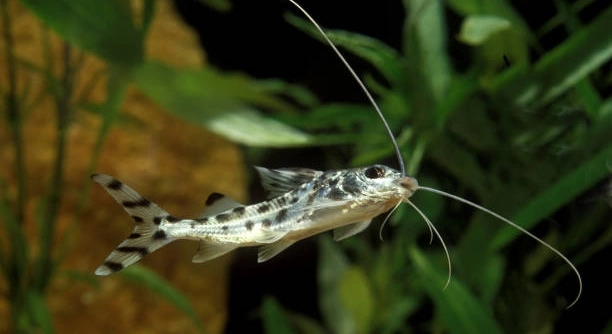
Have you ever noticed that your Pictus catfish only comes out at night? Many aquarium owners observe this behavior without fully understanding why it happens. This quiet fish prefers the safety and calm of darkness for its daily activities.
Pictus catfish are naturally nocturnal creatures that avoid bright light to reduce stress and potential threats. Their nighttime activity helps them forage more effectively while staying hidden from predators in their environment.
Learning about your catfish’s habits can improve its care and environment. Knowing why it behaves this way helps create a healthier, more comfortable home for your aquatic pet.
Understanding Nocturnal Behavior in Pictus Catfish
Pictus catfish are active mostly at night because their natural instincts drive them to avoid bright light. In the wild, these fish live in shaded rivers and lakes where light is limited, so they adapt by hunting and exploring when it’s dark. Bright aquarium lights can make them feel vulnerable, causing them to hide during the day. They use the cover of darkness to search for food safely and move around more freely. This behavior helps them stay safe from predators and stress. It’s important to replicate these conditions at home by offering hiding spots and using dim lighting. Keeping the tank environment calm and less bright during the day allows your catfish to rest properly. Providing nighttime feeding routines can also support their natural activity patterns and keep them healthy.
The catfish’s nocturnal nature is a survival adaptation common among many fish species that prefer low-light environments for feeding and safety.
Adjusting your tank setup to respect their active hours creates a better habitat and reduces stress for your Pictus catfish.
Tank Environment and Lighting Adjustments
Lighting plays a big role in your Pictus catfish’s behavior. Bright lights during the day can make your catfish feel exposed and stressed. Reducing light intensity or using softer bulbs helps mimic their natural habitat. Providing plenty of plants, rocks, or decorations gives them places to hide and feel secure. A dim or shaded tank helps your catfish feel comfortable and encourages daytime rest. Some owners find success by using timers to gradually change lighting, simulating dawn and dusk. This gentle lighting transition matches their natural environment and supports their internal clock. Nighttime feeding under low light conditions also keeps them active and engaged. Small changes like these can make a big difference in how often your Pictus catfish comes out and interacts with the tank.
Proper lighting and tank setup support your catfish’s natural habits and reduce hiding behavior during the day.
Creating a shaded environment with hiding spots helps your Pictus catfish feel safe and comfortable, encouraging healthier daily activity. Adjust lighting gradually and maintain a calm atmosphere to support their natural rhythms. Feeding during their active hours reinforces positive behavior and keeps them healthy. These adjustments contribute to a balanced tank where your catfish can thrive and display its natural behaviors openly. Observing your fish during low light times can reveal their true activity and personality. Remember, a well-designed environment is key to a happy and stress-free Pictus catfish.
Feeding Habits of Pictus Catfish
Pictus catfish are primarily nocturnal feeders, preferring to eat when the tank is dark. They hunt small insects, crustaceans, and plant matter during their active hours at night.
Offering sinking pellets or wafers in the evening matches their natural feeding pattern. Feeding during the day can be ignored or wasted as the fish hides. Avoid overfeeding, as leftover food can pollute the tank. Live or frozen foods like bloodworms and brine shrimp are excellent supplements that encourage natural hunting behavior. A varied diet keeps your catfish healthy and active. Feeding them when they are most alert supports their overall well-being and promotes natural behaviors.
Consistency in feeding times helps your catfish establish a routine. Pay attention to their appetite changes to adjust portions accordingly and maintain water quality.
Stress Factors Affecting Nighttime Behavior
Stress causes Pictus catfish to hide more during the day and be active only at night. Stress sources include poor water quality, sudden changes, or aggressive tank mates. Maintaining clean water with regular testing is critical for their health. Sudden loud noises or vibrations also scare them, so keep the environment calm.
Aggressive fish can intimidate Pictus catfish, making them stay hidden. Choose peaceful tank mates to reduce stress. Providing hiding places with plants or caves helps them feel secure. Observing your fish’s behavior regularly can indicate stress early. Taking these steps supports a comfortable environment that reduces stress and encourages more balanced activity throughout the day and night.
Tank Setup for Nocturnal Fish
A tank designed for nocturnal fish like Pictus catfish should include plenty of hiding spots. Use plants, driftwood, and caves to create shaded areas where they feel safe.
Soft, dim lighting helps mimic their natural environment. Avoid bright, direct lights that can cause stress and hiding behavior.
Water Quality Importance
Maintaining excellent water quality is essential for Pictus catfish health. Regular water changes, testing for ammonia, nitrite, and nitrate levels keep the tank safe. Clean water reduces stress and supports their natural behavior patterns.
Keeping the tank stable with consistent temperature and proper filtration helps your catfish thrive.
Common Misconceptions
Some believe Pictus catfish only come out at night because they are sick. However, this is normal behavior due to their nocturnal nature and need for darkness.
Providing a suitable environment encourages natural activity and reduces worries about their health.
How often should I feed my Pictus catfish?
Feeding your Pictus catfish once a day in the evening is usually enough. Since they are nocturnal, offering food when the lights are dim or off matches their natural behavior. Avoid feeding multiple times a day to prevent leftover food, which can dirty the tank and harm water quality.
Can I feed my Pictus catfish during the day?
You can, but it’s often wasted because they tend to hide and are less active in daylight. Feeding at night or during low light times helps them find and eat the food better. If you feed during the day, remove any uneaten food promptly.
Why does my Pictus catfish hide so much during the day?
Pictus catfish naturally seek shelter in bright light. Their nocturnal habits make them prefer dark, covered spots for safety. Hiding helps reduce stress and mimics their behavior in the wild, where predators are more active during the day.
Will my Pictus catfish come out more if I turn off the lights earlier?
Yes, dimming or turning off lights earlier can encourage your catfish to be more active. They respond well to a natural light cycle with gradual changes, which simulates dawn and dusk. This can increase their activity and feeding times.
What tank mates work well with Pictus catfish?
Peaceful fish that don’t nip fins or compete aggressively work best. Avoid overly aggressive or territorial species. Good tank mates include tetras, gouramis, and other calm community fish. Proper tank size and plenty of hiding spots help reduce conflict.
How do I know if my Pictus catfish is stressed?
Signs of stress include constant hiding, loss of appetite, rapid breathing, or unusual swimming patterns. Stress can come from poor water quality, aggressive tank mates, or bright lights. Checking water parameters and adjusting the environment helps reduce stress.
Is it normal for my Pictus catfish to be inactive during the day?
Yes, this is completely normal. Pictus catfish are nocturnal and spend much of the day resting in shaded areas. They conserve energy and avoid potential threats, becoming active mainly at night.
Can Pictus catfish live with other nocturnal fish?
Yes, but make sure the tank has enough space and hiding spots for all. Different nocturnal species may compete for food or territory, so monitor their behavior carefully. Proper feeding and tank setup reduce conflicts.
What is the best diet for a Pictus catfish?
A balanced diet includes sinking pellets, wafers, and live or frozen foods like bloodworms and brine shrimp. Variety ensures they get all necessary nutrients. Feeding should match their natural nighttime habits to keep them healthy.
How important is water temperature for Pictus catfish?
Water temperature between 74°F and 79°F (23°C–26°C) is ideal. Stable temperature supports their metabolism and overall health. Sudden changes can stress them and affect their activity and appetite.
Can bright aquarium lights harm Pictus catfish?
Bright lights cause stress and force them to hide more. Using dim or adjustable lighting helps mimic their natural environment. Reducing light intensity improves their comfort and encourages normal activity patterns.
How do I create hiding spots in the tank?
Use live or artificial plants, driftwood, and caves. These elements create shaded areas that provide shelter and security. Hiding spots are essential to reduce stress and let your catfish rest during the day.
Why is my Pictus catfish only active at night but not feeding?
They may be stressed, sick, or not comfortable with the food offered. Make sure the tank environment is suitable and try feeding different foods during their active hours. If inactivity continues, check water quality or consult a vet.
How often should I clean the tank for Pictus catfish?
Weekly water changes of 20-30% help keep water clean and healthy. Regular cleaning of the substrate and filter prevents buildup of harmful substances. Good maintenance reduces stress and supports natural behaviors.
What signs indicate my Pictus catfish is healthy?
Active swimming during low light, bright eyes, smooth skin, and a good appetite all show good health. Healthy fish react to feeding and explore their tank at night. Watching these signs helps ensure they are thriving.
Understanding why your Pictus catfish only comes out at night helps you provide better care. These fish are naturally nocturnal, which means they feel safer and more comfortable being active when it’s dark. Their instincts guide them to avoid bright light and stay hidden during the day. This behavior is normal and shows they are following their natural rhythms. Knowing this can take away worry and help you adjust their environment to match their needs.
Creating a tank environment that respects their nocturnal habits makes a big difference. Using dim lighting or gradually changing light levels mimics their natural habitat and reduces stress. Providing plenty of hiding spots with plants, caves, or driftwood gives them safe spaces to rest during the day. Feeding your Pictus catfish in the evening or at night also supports their natural behavior and keeps them healthy. Paying attention to water quality, tank mates, and gentle handling further improves their comfort and well-being.
Remember, Pictus catfish are unique creatures with specific needs that differ from other fish. Accepting their nighttime activity as normal will help you enjoy watching them when they are most lively. A well-maintained tank with proper lighting, hiding places, and a good feeding routine encourages your catfish to thrive. With patience and understanding, your Pictus catfish will be a healthy, happy part of your aquarium.

Hello,
If you enjoy the content that we create, please consider saying a "Thank You!" by leaving a tip.
Every little bit helps us continue crafting quality advice that supports the health, happiness, and well-being of pets around the world, for pets of all shapes, sizes, and species.
We really appreciate the kindness and support that you show us!