
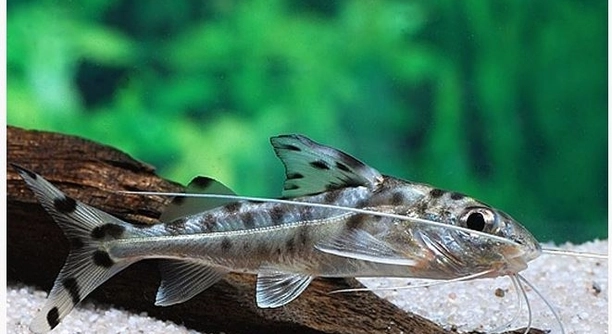
Many aquarists enjoy keeping pictus catfish for their lively behavior and sleek appearance. These fish, however, can be easily stressed by changes in their environment or tank setup. Creating a calm habitat is essential for their well-being and natural behavior.
Adding specific tank elements can help reduce stress in pictus catfish. Items like plants, hiding spots, gentle filtration, and soft substrate mimic their natural environment, promoting a peaceful atmosphere. Such additions support their comfort and reduce erratic swimming or hiding.
Knowing which tank additions calm pictus catfish will improve their health and activity. This article highlights practical steps to create a serene space for your fish.
Soft Substrate for Comfortable Swimming
Pictus catfish prefer soft, smooth substrates like sand or fine gravel. Rough or sharp surfaces can injure their sensitive barbels and fins. Using a soft substrate replicates their natural riverbed environment, allowing them to explore without discomfort. This reduces stress and encourages more natural behavior. Avoiding coarse gravel also helps keep the tank cleaner, as waste can settle on top instead of getting trapped between rough stones. A clean and gentle substrate keeps the fish healthier and calmer over time. Regular cleaning of the substrate is important to maintain good water quality and prevent the buildup of harmful substances. Many aquarists find that pictus catfish become noticeably more relaxed and active after switching to softer substrate options, which improves their overall tank presence.
Choosing the right substrate is a simple step that greatly benefits pictus catfish health and comfort. It’s a key factor in creating a calm tank environment.
Soft substrates reduce injury risk and support natural behavior. They also simplify tank maintenance by preventing waste buildup in hard-to-clean crevices.
Plants and Hiding Spots
Providing live plants or artificial greenery offers pictus catfish places to hide and feel secure. These hiding spots reduce stress by mimicking their natural habitat. Plants also help filter the water and improve oxygen levels. When the fish have places to retreat, they show less nervous swimming and become more confident over time. Decorations like caves or driftwood also offer shelter, adding to their sense of safety.
Creating varied and natural hiding spots encourages calmer behavior. It also enhances the tank’s appearance, making it enjoyable for both fish and owners.
Gentle Filtration System
A gentle filtration system is important for pictus catfish because strong currents can cause them stress. These fish prefer slower water flow similar to their natural habitats. Using a filter with adjustable flow helps maintain calm water conditions. This prevents erratic swimming and conserves their energy.
Filters with sponge or canister options often allow better control over flow rate. This type of filtration keeps the water clean without disturbing the fish. It also supports beneficial bacteria growth, which helps maintain water quality.
Avoiding strong currents reduces the risk of injury and helps pictus catfish feel secure. A quiet, steady flow encourages natural behaviors like exploring and resting comfortably.
Proper Lighting Conditions
Too much light can stress pictus catfish, causing them to hide or become inactive. Low to moderate lighting creates a more comfortable environment, resembling the shaded waters they prefer. Adjustable lighting options allow control based on the tank’s layout and plants.
Using dimmers or timers to simulate day and night cycles benefits their natural rhythm. Lighting should avoid harsh direct exposure, which can increase stress levels. Soft lighting encourages more visible activity and better feeding behavior. It also supports live plants, which contribute to the tank’s overall balance.
Balanced lighting creates a calming atmosphere and helps maintain healthy fish. It improves tank aesthetics while promoting natural fish habits and wellbeing.
Stable Water Temperature
Maintaining a stable water temperature is crucial for pictus catfish comfort. Sudden fluctuations cause stress and weaken their immune system. Aim for a consistent range between 75°F and 82°F to match their natural tropical environment. Use a reliable heater and thermometer.
Regular temperature checks prevent unexpected changes. Stability helps the fish stay active and healthy. Avoid placing the tank near drafts or direct sunlight, which can cause rapid shifts.
Minimal Noise and Vibrations
Pictus catfish are sensitive to noise and vibrations. Keeping the tank in a quiet area helps reduce stress. Loud sounds or shaking can startle the fish and disrupt their routine.
Minimizing disturbances supports calm behavior and promotes a peaceful tank atmosphere.
Proper Tank Size and Grouping
Pictus catfish need enough space to swim freely. A tank of at least 30 gallons is ideal for a small group. They are social fish and prefer being kept in groups of five or more to feel secure.
Overcrowding leads to stress and aggression. Providing ample space and proper social structure encourages natural schooling behavior. This creates a calm and balanced environment where the fish thrive.
Regular Water Changes
Consistent water changes keep the tank clean and reduce harmful toxins. Changing 20-30% of the water weekly supports healthy conditions for pictus catfish.
Clean water lowers stress and prevents illness. It helps maintain clarity and a stable environment.
FAQ
How often should I clean the tank for pictus catfish?
Cleaning the tank regularly is important to keep pictus catfish healthy. A weekly partial water change of 20-30% helps remove waste and toxins. Along with water changes, gently vacuum the substrate to clear leftover food and debris. Avoid full cleanings that disturb beneficial bacteria.
Can pictus catfish live with other fish?
Yes, pictus catfish are generally peaceful and do well in community tanks. They prefer tank mates that are not aggressive or overly competitive. Good companions include tetras, danios, and small catfish species. Avoid large or aggressive fish that might stress or harm them.
What do pictus catfish eat?
Pictus catfish are omnivores. They eat a mix of sinking pellets, frozen or live foods like bloodworms, and occasional vegetables. Feeding small amounts twice a day helps maintain their health without overfeeding. Varied diet supports their active nature and vibrant appearance.
Do pictus catfish need a specific pH level?
These catfish prefer slightly acidic to neutral water with a pH between 6.5 and 7.5. Keeping the pH stable is more important than hitting a precise number. Sudden changes can cause stress and health issues, so test water regularly and make adjustments slowly if needed.
How many pictus catfish should be kept together?
Pictus catfish are social and thrive in groups of five or more. Keeping them in small groups reduces stress and encourages natural schooling behavior. Isolated fish may become shy or nervous, so a small group helps them feel secure.
What is the ideal tank size for pictus catfish?
A minimum of 30 gallons is recommended for a small group of pictus catfish. They are active swimmers and need plenty of space to move around comfortably. Larger tanks are better when keeping more fish or including other species to reduce territorial behavior.
Why do my pictus catfish hide a lot?
Hiding is normal if the fish feel stressed or insecure. Causes include poor water quality, bright lighting, or lack of hiding spots. Providing plants, caves, and gentle lighting can encourage them to explore more. Make sure water parameters and temperature are stable to reduce hiding.
Can pictus catfish jump out of the tank?
Yes, pictus catfish are known to jump, especially when stressed or startled. Keeping a secure lid on the tank helps prevent escapes. Reducing sudden movements and noise around the tank also lowers the chance they try to jump.
How long do pictus catfish live?
With proper care, pictus catfish can live up to 8 years or more. Maintaining good water quality, a balanced diet, and a stress-free environment supports their longevity. Regular monitoring of tank conditions helps keep them healthy over time.
Are pictus catfish compatible with live plants?
Yes, pictus catfish do well with live plants. Plants provide shelter and improve water quality by absorbing nitrates. Choose hardy species that can tolerate the fish’s activity level. Avoid sharp-leaved plants to protect their sensitive barbels.
Creating a calm and comfortable environment for pictus catfish is key to their health and happiness. These fish thrive when their tank mimics natural conditions with soft substrates, gentle water flow, and plenty of hiding spots. Paying attention to details like proper lighting, stable temperature, and regular water changes can make a big difference. When the tank conditions are right, pictus catfish show more natural behavior and remain active, reducing stress-related problems.
Maintaining a peaceful tank is not only good for the fish but also makes keeping them more enjoyable. Watching relaxed pictus catfish swim confidently and interact with each other creates a satisfying aquarium experience. Choosing the right tank size and keeping them in groups supports their social nature, which is essential for reducing anxiety. Small adjustments such as controlling noise and vibrations, and providing live plants or decorations, enhance their environment further. These changes might seem small, but together they build a space where pictus catfish can thrive.
Overall, focusing on these important tank additions and conditions benefits both the fish and the owner. Consistency and care go hand in hand when maintaining a healthy aquarium. By paying close attention to the needs of pictus catfish, it’s possible to create a peaceful underwater environment that encourages their natural behavior and promotes long-term wellbeing. The result is a tank that looks beautiful and keeps its inhabitants calm and happy.

Hello,
If you enjoy the content that we create, please consider saying a "Thank You!" by leaving a tip.
Every little bit helps us continue crafting quality advice that supports the health, happiness, and well-being of pets around the world, for pets of all shapes, sizes, and species.
We really appreciate the kindness and support that you show us!