
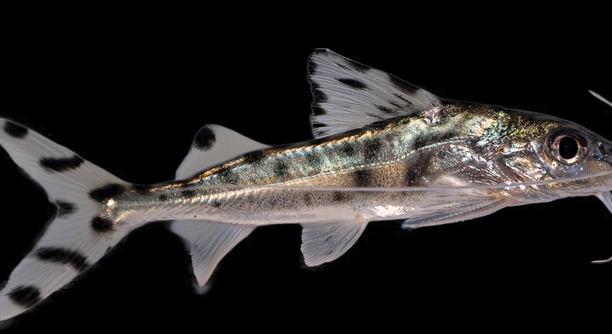
Cats are quiet creatures that don’t always show when something is wrong. Watching for subtle changes in your catfish’s behavior can help you notice if it might be sick. Knowing these signs early can make a big difference in their care.
Cats that are sick often show quiet signs such as reduced appetite, less activity, hiding more, changes in breathing, unusual swimming patterns, color changes, and clamped fins. Recognizing these symptoms early is important to ensure timely treatment and recovery.
Noticing these small changes will help you keep your catfish healthy and happy for a long time.
Reduced Appetite and Changes in Eating Habits
When a catfish starts eating less or stops eating altogether, it often means something is wrong. Appetite loss can happen for many reasons, including water quality issues, stress, or illness. It is important to watch your catfish during feeding time to see if it is interested in food or pushing it away. Sometimes, sick fish might nibble at food but not eat much. If you notice your catfish refusing food for more than a day or two, this is a warning sign. Changes in eating habits may also come with weight loss or a thinner appearance. Monitoring feeding behavior regularly helps catch problems early and prevents worsening health.
Less eating means your catfish could be fighting an infection or dealing with a stressful environment. This change should prompt you to check water conditions and look for other symptoms.
Always try to maintain clean water and offer fresh food. If appetite doesn’t improve quickly, consult a vet or aquatic specialist to avoid serious issues.
Lethargy and Less Activity
Lethargy is a common sign your catfish might not be feeling well. When fish are sick, they often swim less and spend more time resting at the bottom of the tank. Unlike their usual lively behavior, sick catfish may seem weak and slow. This lack of energy can be due to internal infections, parasites, or poor water conditions. Observing your catfish’s normal activity patterns helps identify when something changes. If your fish is unusually still or hides often, it could be a sign of illness.
Lethargic catfish may also show difficulty swimming or maintaining balance. These signs indicate the need for immediate attention.
To help your catfish recover, keep the tank clean and stable. Check water temperature and chemistry regularly, and remove any waste or uneaten food. Providing a calm environment with minimal stress supports healing. If problems continue, seek advice from a professional experienced with aquatic pets to ensure the best care for your catfish.
Hiding More Than Usual
When catfish are sick, they tend to hide more than normal. This behavior is a natural response to feeling vulnerable or stressed. You may notice your catfish spending long periods inside caves, plants, or decorations, avoiding open areas.
Hiding helps catfish protect themselves when they feel weak or unwell. It can also be a sign of stress caused by poor water quality, sudden changes in the tank, or aggressive tankmates. When your catfish spends too much time out of sight, check the environment for possible issues. Make sure water parameters are stable, and reduce any stress factors like loud noises or overcrowding.
Persistent hiding can also indicate illness such as parasites or infections. Along with hiding, look for other symptoms like color changes or abnormal swimming. Early attention improves the chances of recovery and keeps your catfish comfortable.
Changes in Breathing Patterns
Rapid or labored breathing is a common sign of health problems in catfish. It may mean there is low oxygen in the water or the fish has gill damage. Normal breathing is steady and gentle, but sick catfish may gulp air at the surface or breathe faster than usual.
Poor water quality often causes breathing difficulties. High ammonia or nitrite levels irritate the gills, making it hard for your catfish to get enough oxygen. Another cause is infections or parasites affecting the respiratory system. Pay attention to bubbles around the gills or inflamed areas.
Improving water conditions is the first step to help your catfish breathe easier. Perform partial water changes and test the tank regularly. If breathing problems continue, a vet check might be necessary to diagnose infections or other internal issues.
Unusual Swimming Patterns
Sick catfish may swim erratically or struggle to stay upright. You might see them drifting, spinning, or rubbing against tank surfaces more than usual.
These behaviors can signal internal problems like swim bladder issues or parasites. Observing how your catfish moves is important for spotting early signs of illness.
Color Changes
A sudden change in your catfish’s color often indicates stress or sickness. Faded or dull colors suggest poor health or water problems.
Maintaining good water quality and reducing stress helps prevent color fading. If colors don’t return to normal, medical treatment might be needed to address underlying causes.
Clamped Fins
Clamped fins are when a fish holds its fins close to its body. This is a common sign of discomfort or illness.
Watch for this behavior, especially if combined with other symptoms like lethargy or loss of appetite.
FAQ
How can I tell if my catfish is sick without obvious symptoms?
Sometimes, catfish hide their illness well. Look for subtle signs like less movement, hiding more, or small changes in appetite. Even slight color changes or clamped fins can indicate problems. Watching your catfish daily helps you notice these quiet signs early, before the illness worsens.
What should I do if my catfish shows reduced appetite?
First, check the water quality—poor water can cause stress and appetite loss. Clean the tank and test for ammonia, nitrites, and nitrates. Try offering different foods to encourage eating. If your catfish still refuses food after a day or two, consider consulting a vet who specializes in fish.
Can stress cause my catfish to hide a lot?
Yes, stress is a common reason catfish hide more. Changes in tank conditions, aggressive tankmates, or sudden movements around the tank can make your fish feel unsafe. Reducing noise, providing hiding spots, and keeping water conditions stable can lower stress and help your catfish feel comfortable again.
Why does my catfish have difficulty swimming properly?
Erratic swimming or difficulty balancing can come from swim bladder problems, infections, or parasites. Poor water quality may also affect your fish’s health and movement. Ensure the tank is clean and stable. If the problem persists, a vet visit is necessary to identify the exact cause.
Is it normal for catfish to breathe rapidly sometimes?
Rapid breathing is not normal and usually means your catfish is stressed or has a health issue. It could be due to low oxygen levels in the water or gill irritation from poor water quality. Make sure your tank is well-aerated and clean. Persistent rapid breathing should be checked by a professional.
How often should I check my catfish’s health?
Daily observation is best. Watch how your catfish eats, swims, and behaves. Regularly test your water quality to catch problems early. Early detection of illness can prevent serious issues and keep your catfish healthier.
What are the best ways to keep my catfish healthy?
Keep the tank clean by doing regular water changes and removing waste. Maintain stable water temperature and chemistry. Provide a balanced diet suited for catfish and avoid overfeeding. Reducing stress by providing hiding places and a calm environment is also important.
When should I seek professional help for my catfish?
If your catfish shows multiple signs of illness like lethargy, appetite loss, abnormal swimming, or breathing problems that last more than a couple of days, it’s time to consult an aquatic vet. Early treatment improves the chances of recovery. Don’t wait if you suspect something serious.
Can poor water quality cause all these symptoms?
Yes, poor water quality is often the root of many health problems in catfish. High ammonia, nitrites, or nitrate levels damage gills, weaken the immune system, and cause stress. Keeping your tank clean and balanced is the best prevention for most health issues.
Are there any home remedies to help a sick catfish?
Basic home care includes improving water quality and providing gentle care with minimal stress. You can do partial water changes, lower the temperature slightly if recommended, and offer high-quality food. However, avoid unproven treatments or medications without expert advice, as they might harm your fish.
Watching over your catfish’s health means paying attention to the small, quiet signs that often go unnoticed. Unlike other pets, catfish don’t show their pain or discomfort openly, so it’s important to be alert. Changes like hiding more, eating less, or swimming oddly are important clues. These subtle signals help you understand when your catfish might be sick. Catching these signs early makes a big difference for their recovery and overall well-being. The more time you spend observing your catfish, the better you can respond to their needs.
Keeping your catfish healthy is not just about treating illness when it happens, but also about creating a good environment. Clean water, proper feeding, and a calm tank help prevent many problems. Stress and poor water quality are common causes of sickness in catfish. Regular tank maintenance and monitoring water conditions help avoid issues before they start. Providing hiding spots and stable surroundings makes your catfish feel safe and reduces stress. By staying consistent with care, you support your catfish’s natural strength and immune system.
If you notice signs that your catfish might be unwell, don’t wait too long to act. Early action often means easier treatment and a better chance for your fish to get back to normal. If simple changes in water or diet don’t help, it is best to reach out to someone experienced with fish health. Sometimes, infections or parasites need professional treatment. Your attention and care make a big difference in keeping your catfish happy and healthy for a long time.

Hello,
If you enjoy the content that we create, please consider saying a "Thank You!" by leaving a tip.
Every little bit helps us continue crafting quality advice that supports the health, happiness, and well-being of pets around the world, for pets of all shapes, sizes, and species.
We really appreciate the kindness and support that you show us!