
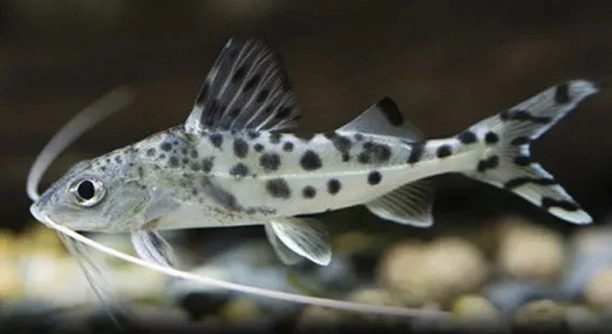
Keeping Pictus catfish can be an enjoyable addition to your aquarium. These active fish often raise questions about how many should be kept together for their well-being and natural behavior in a tank environment.
Pictus catfish are social creatures that thrive best in groups, typically in odd numbers to reduce aggression and establish a natural hierarchy. Keeping them in odd numbers helps balance their interactions and supports healthier social dynamics.
Understanding the social needs of Pictus catfish will help you create a harmonious tank environment and promote their overall health and activity.
Why Odd Numbers Matter for Pictus Catfish
Pictus catfish are schooling fish, which means they feel safer and more comfortable in groups. Odd numbers work well because they help create a clear social structure. With an even number, the fish might pair off and become territorial or aggressive toward others. Odd numbers help avoid this by preventing ties in dominance struggles. For example, three or five catfish can form a hierarchy more easily than four or six. This reduces stress among the fish and encourages natural behaviors like foraging and swimming together. In smaller tanks, three fish are usually enough, but larger tanks can support five or more. Keeping them in odd numbers promotes balance in their group dynamic and makes it easier to maintain peace within the tank. This helps the fish stay active, healthy, and less prone to stress-related issues.
Even numbers can lead to tension and unnecessary fights between Pictus catfish.
Keeping the right group size benefits their behavior and tank harmony.
How to Set Up a Tank for Pictus Catfish
Pictus catfish need plenty of space to swim because they are very active. A tank of at least 30 gallons is recommended for a small group of three. They prefer hiding spots, like plants, rocks, or driftwood, to feel secure during the day. The tank should have moderate lighting and gentle water flow, as strong currents can tire them out. Water temperature should be kept between 72°F and 79°F, with clean, well-filtered water. Regular water changes are important to maintain good water quality. Feeding them a varied diet including sinking pellets, bloodworms, and small live foods will keep them healthy. Since they are nocturnal, they are more active during the evening and night, so providing a calm environment helps them thrive.
Make sure to avoid overcrowding, as too many fish can stress Pictus catfish and reduce water quality.
A proper tank setup not only supports their social needs but also keeps them physically and mentally healthy. Pictus catfish are energetic and need enough room to explore and hunt for food. Adding hiding places mimics their natural habitat, offering them comfort and reducing stress. Careful attention to water conditions helps prevent illness and keeps the fish lively. Observing their behavior daily allows you to spot any problems early. A well-planned environment encourages them to show natural behaviors and enjoy their surroundings, making your aquarium more interesting to watch. This balance between social grouping and environment is essential for keeping Pictus catfish happy and healthy.
Signs Your Pictus Catfish Are Stressed
Stress in Pictus catfish often shows through changes in behavior. They may hide more than usual, stop eating, or become aggressive toward tank mates. Watching these signs early can help prevent serious health issues and improve their living conditions.
When Pictus catfish are stressed, they tend to swim erratically or stay near the tank bottom. You might notice faded colors or clamped fins, both of which indicate discomfort. Stress can result from poor water quality, overcrowding, or a lack of hiding places. Odd numbers help reduce aggression, but if the tank is too small, stress will still occur. Regular tank maintenance, proper group sizes, and a well-decorated tank help reduce these problems.
Stress can also make Pictus catfish more vulnerable to diseases like ich or fungal infections. Keeping their environment stable and clean supports their immune system. Observing their daily behavior and adjusting tank conditions can help maintain a healthy, stress-free group.
Feeding Habits and Social Behavior
Pictus catfish are opportunistic feeders, usually searching for food at the tank bottom. Feeding them a balanced diet is essential to keep them active and healthy.
They prefer sinking pellets, frozen or live foods like bloodworms and brine shrimp. Feeding once or twice daily in small amounts prevents leftover food from polluting the tank. In groups, Pictus catfish tend to feed together but also compete gently for food, which reflects their social hierarchy. Odd numbers ease this competition by preventing tie situations where two fish might block others from feeding.
Socially, they are peaceful but assertive, using subtle body language to establish dominance. Providing enough food and space reduces conflicts, helping the group stay calm and cooperative. Their natural tendency to explore the tank bottom together creates an engaging display for aquarium owners.
Tank Mates for Pictus Catfish
Pictus catfish do well with peaceful, medium-sized fish that won’t bully them. Avoid very small or slow-moving fish, as Pictus catfish are active and may stress or outcompete them.
They prefer tank mates that occupy different areas of the tank, allowing everyone enough space. Ideal companions include tetras, danios, and gouramis. Aggressive or territorial fish should be avoided to maintain harmony.
Maintaining Water Quality
Regular water changes and good filtration are crucial for Pictus catfish health. They are sensitive to poor water conditions, which can cause stress and disease.
Keeping ammonia and nitrite levels at zero, and nitrate below 20 ppm, supports their well-being. Monitoring pH between 6.5 and 7.5 helps maintain stability.
Benefits of Grouping Pictus Catfish
Grouping Pictus catfish encourages natural schooling behavior, making them more active and less shy. A small group in odd numbers strengthens their social bonds and reduces aggression.
Their lively swimming and interaction become more noticeable, enhancing the aquarium’s visual appeal.
Avoid Overcrowding
Overcrowding stresses Pictus catfish and degrades water quality. Keeping the tank adequately stocked prevents health and behavior problems.
FAQ
How many Pictus catfish should I keep together?
It’s best to keep Pictus catfish in groups of at least three, preferably odd numbers like three or five. This helps them form a stable social structure, reducing aggression and stress. Smaller groups can cause them to become shy or lonely, while larger groups need more tank space and care.
Can I keep Pictus catfish with other fish?
Yes, Pictus catfish do well with peaceful, medium-sized fish such as tetras, danios, or gouramis. Avoid very small fish or aggressive species that might stress them. Proper tank mates should occupy different parts of the tank to avoid competition.
What tank size is suitable for Pictus catfish?
A minimum tank size of 30 gallons is recommended for a small group of three Pictus catfish. Larger tanks are better for bigger groups. These fish are active swimmers and need space to move freely, which helps reduce stress and aggression.
What temperature do Pictus catfish prefer?
Pictus catfish thrive in water temperatures between 72°F and 79°F (22°C–26°C). Maintaining this temperature range helps keep their metabolism stable and supports healthy activity levels. Sudden temperature changes should be avoided.
How often should I feed Pictus catfish?
Feeding once or twice a day in small amounts is ideal. They prefer sinking pellets and enjoy occasional treats like bloodworms or brine shrimp. Overfeeding can pollute the tank, so it’s important to remove uneaten food and maintain a clean environment.
What are common signs of stress in Pictus catfish?
Signs include hiding more than usual, loss of appetite, clamped fins, faded colors, and erratic swimming. Stress often comes from poor water quality, overcrowding, or lack of hiding spots. Addressing these issues quickly helps prevent illness.
Do Pictus catfish need hiding places?
Yes, hiding spots like plants, rocks, or driftwood help Pictus catfish feel secure. They are nocturnal and prefer to rest in shaded or covered areas during the day. Providing hiding places reduces stress and encourages natural behavior.
Are Pictus catfish aggressive?
Generally, no. They are peaceful but can show mild assertiveness to establish social hierarchy, especially in groups. Keeping them in odd numbers helps reduce conflicts by avoiding tied dominance situations. Aggressive behavior usually signals stress or overcrowding.
Can Pictus catfish live alone?
They can survive alone but may become stressed or shy without companions. Being social fish, they thrive best in groups, which allows them to exhibit natural schooling and social behaviors.
How often should I change the water?
Perform regular water changes of about 20-30% weekly to maintain water quality. Good filtration and water changes prevent toxin buildup and keep the fish healthy. Monitoring water parameters is essential to avoid stress or disease.
Keeping Pictus catfish in odd numbers is a practical choice that benefits both the fish and the aquarium environment. These catfish are naturally social and do best when they have companions to interact with. Odd numbers help avoid conflicts that can arise when fish compete for dominance in even-numbered groups. By maintaining a group of three, five, or more, the fish form a clearer social structure. This structure reduces stress and aggression, allowing the Pictus catfish to show their natural behaviors, such as swimming actively and exploring the tank. When they feel safe and comfortable, their health and activity improve, which adds life to the aquarium.
Setting up the right environment for Pictus catfish is equally important. Providing enough space, clean water, and hiding places supports their needs and keeps stress low. A tank of at least 30 gallons is ideal for a small group, with careful attention to water temperature and quality. Regular water changes and proper filtration help maintain a healthy home. Feeding them a balanced diet of sinking pellets and occasional live or frozen foods keeps them nourished and energetic. When these conditions are met, the fish thrive and interact well, making the odd-number grouping even more effective.
Ultimately, understanding the social nature and care requirements of Pictus catfish leads to a more rewarding aquarium experience. Keeping them in odd numbers helps create harmony and reduces problems related to aggression or stress. Along with a well-maintained tank, this approach supports their natural behaviors and overall well-being. Watching a lively group of Pictus catfish swim and explore together is enjoyable and reflects the success of proper care. This balance between social grouping and environment makes keeping Pictus catfish both manageable and fulfilling.

Hello,
If you enjoy the content that we create, please consider saying a "Thank You!" by leaving a tip.
Every little bit helps us continue crafting quality advice that supports the health, happiness, and well-being of pets around the world, for pets of all shapes, sizes, and species.
We really appreciate the kindness and support that you show us!