
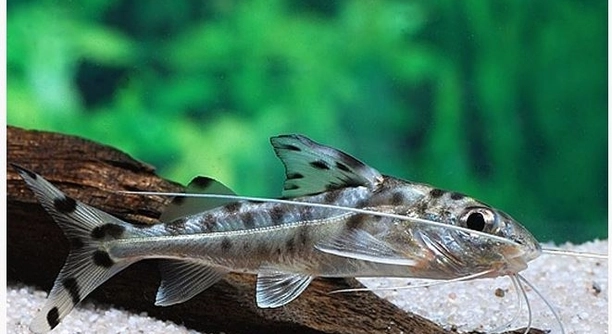
Are you thinking about adding Pictus Catfish to your home aquarium? These fish are popular for their lively nature and striking appearance. Many beginner aquarists consider them because they add movement and interest to their tanks.
Pictus Catfish can be suitable for beginners if certain care requirements are met. They need a spacious tank with good filtration and hiding spots. Their active behavior and occasional skittishness require stable water conditions and a compatible community of fish.
Learning about their care needs will help ensure your Pictus Catfish thrive. Understanding their temperament and environment is key to a successful and enjoyable aquarium experience.
Understanding Pictus Catfish Behavior and Temperament
Pictus Catfish are known for their active and social nature. They often swim in groups, showing a lot of energy compared to many other bottom-dwellers. These fish tend to be peaceful but can get startled easily by sudden movements or loud noises. Because of their sensitive nature, they do best in calm environments. They enjoy hiding places like caves or plants where they feel secure. Their natural habitat includes fast-flowing rivers, so they appreciate good water circulation in the tank. Pictus Catfish are nocturnal, meaning they are more active during the night but will also move around during the day. Understanding their behavior helps aquarists provide better care and avoid stress for the fish. Keeping them in groups of at least three is recommended to satisfy their social needs and reduce anxiety.
Their playful and alert behavior adds life to an aquarium, but it requires some patience and attention.
Providing hiding spots and stable water conditions will help these fish feel safe and thrive in your tank.
Tank Setup and Care Requirements
Pictus Catfish need a tank that is at least 30 gallons to give them enough room to swim actively. They prefer a substrate of sand or fine gravel, as sharp materials can damage their barbels. The tank should have a strong filtration system to maintain clean water because these fish produce moderate waste. They also need plenty of hiding spaces, such as driftwood, rocks, or plants, to reduce stress. Water temperature should be kept between 72 and 78 degrees Fahrenheit, with a pH level around 6.5 to 7.5. Regular water changes are important to keep their environment stable. These fish do not like sudden changes in water conditions and need a well-established tank before being introduced. Feeding Pictus Catfish requires a diet of sinking pellets, live or frozen foods like bloodworms, and occasional vegetables. Overfeeding can lead to poor water quality, so it is best to feed them small amounts once or twice a day.
Careful attention to their environment and diet ensures that Pictus Catfish remain healthy and active.
Compatibility with Other Fish
Pictus Catfish generally get along well with peaceful, similarly sized fish. Avoid housing them with aggressive or very small fish, as they may become stressed or accidentally eaten. They prefer active tank mates that do not disturb the bottom too much.
When selecting tank mates, choose species that thrive in similar water conditions and temperatures. Good companions include tetras, danios, and larger rasboras. Avoid slow-moving or delicate fish, since Pictus Catfish’s quick movements might scare them. They do not tolerate aggressive cichlids or large predatory fish. Keeping the tank balanced helps reduce stress and promotes healthy interactions between species.
Maintaining a peaceful community tank ensures Pictus Catfish can exhibit natural behaviors without fear. Monitoring fish behavior regularly will help you catch any signs of aggression or stress early.
Feeding Habits and Diet
Pictus Catfish are omnivorous bottom feeders, primarily eating sinking pellets and live or frozen foods. Their diet should be varied to ensure good health and coloration. They enjoy bloodworms, brine shrimp, and small insects.
Feeding should occur once or twice daily in small amounts. Overfeeding can cause water quality issues and health problems for the fish. They scavenge the bottom for leftover food but still require direct feeding. Adding some vegetable matter, like blanched zucchini or peas, helps maintain balanced nutrition. Watching their feeding behavior helps confirm they are getting enough food and not being outcompeted by tank mates.
Consistent feeding routines and a balanced diet contribute to the fish’s vibrant appearance and longevity in the tank.
Common Health Issues
Pictus Catfish are generally hardy but can suffer from common freshwater fish diseases like ich and fin rot. Maintaining clean water and stable conditions helps prevent these issues.
Regular observation is important to catch early signs of illness, such as changes in behavior or appearance.
Breeding Pictus Catfish
Breeding Pictus Catfish in home aquariums is challenging and rarely successful for beginners. They require very specific water conditions and a separate breeding tank. Spawning usually happens during the rainy season in the wild when water parameters change.
Tank Maintenance Tips
Frequent water changes and good filtration are essential for keeping Pictus Catfish healthy. Remove uneaten food to prevent water quality issues.
Final Considerations
Pictus Catfish demand commitment but can be rewarding with proper care. They need attention to water quality and tank mates to thrive.
FAQ
Are Pictus Catfish good for beginners?
Pictus Catfish can be good for beginners if their care needs are met properly. They require a tank of at least 30 gallons, stable water conditions, and good filtration. Their active nature means they need room to swim, and they prefer to be in groups. These fish are sensitive to water changes, so consistent tank maintenance is important. Beginners who are willing to learn about their environment and feeding habits can successfully keep Pictus Catfish.
How big do Pictus Catfish get?
Pictus Catfish typically grow to about 4 to 5 inches in length. Their size requires a reasonably spacious aquarium to accommodate their active swimming habits. Because they are quite fast swimmers, a larger tank helps reduce stress and prevents territorial disputes.
What kind of tank setup do Pictus Catfish need?
They need a well-filtered tank with clean, oxygen-rich water. A sandy or fine gravel substrate is best to protect their barbels. Include hiding places such as driftwood, rocks, or dense plants. A water temperature between 72 and 78 degrees Fahrenheit and a pH near neutral are ideal. Keeping water conditions stable is key to their health.
Can Pictus Catfish live with other fish?
Yes, but tank mates must be chosen carefully. Peaceful, active fish of similar size work best. Avoid very small fish or aggressive species that may stress or harm them. Suitable companions include tetras, danios, and larger rasboras. Monitoring interactions helps maintain a peaceful tank environment.
What do Pictus Catfish eat?
They are omnivorous bottom feeders. Their diet includes sinking pellets, live or frozen foods like bloodworms and brine shrimp, and occasional vegetables such as peas or zucchini. Feeding small amounts once or twice daily is recommended to prevent overfeeding and maintain water quality.
How often should I feed Pictus Catfish?
Feeding once or twice a day in small portions is sufficient. They scavenge leftovers but still need direct feeding to stay healthy. Avoid overfeeding to prevent water pollution and related health issues.
Are Pictus Catfish nocturnal?
Yes, they are more active at night but often swim during the day as well. Their natural behavior includes hiding during daylight hours and becoming more lively after dark.
How can I tell if my Pictus Catfish is healthy?
Healthy Pictus Catfish have clear eyes, intact fins, and smooth skin without spots or wounds. They swim actively and respond to food. Any signs of lethargy, loss of appetite, or physical damage can indicate illness.
What are common health problems for Pictus Catfish?
They can get ich, fin rot, and bacterial infections if water quality is poor. Regular water changes and good filtration reduce risks. Prompt treatment is necessary if symptoms appear.
Can Pictus Catfish breed in home aquariums?
Breeding is difficult and rare in typical home setups. They need specific water conditions and often a separate tank. Even experienced aquarists may find it challenging to encourage spawning.
Do Pictus Catfish require special water conditions?
Stable water parameters are crucial. They prefer slightly acidic to neutral pH (6.5-7.5) and temperatures between 72 and 78 degrees Fahrenheit. Sudden changes should be avoided to prevent stress.
How long do Pictus Catfish live?
With proper care, they can live up to 8 years or more in captivity. Consistent maintenance of their tank environment supports longevity.
Are Pictus Catfish aggressive?
No, they are generally peaceful fish. However, they can be skittish and may dart quickly when startled. They do not attack other fish but require calm tank mates to avoid stress.
What kind of filtration is best for Pictus Catfish?
A strong, reliable filtration system that provides good water movement and oxygenation is best. They come from fast-flowing rivers, so replicating this environment helps them thrive.
Is it necessary to keep Pictus Catfish in groups?
Yes, keeping them in groups of at least three reduces stress and encourages natural behavior. They are social fish and can become anxious when kept alone.
These answers provide a clear understanding of Pictus Catfish care, helping beginners make informed decisions about keeping them in their aquariums.
Pictus Catfish can be a good choice for beginner aquarists who are ready to provide the right environment and care. These fish are lively and add a lot of activity to a tank, making them enjoyable to watch. However, they do have specific needs that must be met for them to thrive. A sufficiently large tank, clean water, and a stable environment are important. Beginners should be prepared to maintain these conditions consistently, as sudden changes can stress the fish and lead to health problems.
Understanding the behavior and temperament of Pictus Catfish helps in providing proper care. They are social fish that prefer to be kept in groups and need hiding places to feel secure. Their diet is simple but should be varied to keep them healthy and vibrant. Tank mates must be chosen carefully to avoid conflicts or stress. With regular feeding, proper tank setup, and routine maintenance, these catfish can live for several years and remain active throughout their life.
While Pictus Catfish require some attention and effort, they are not overly difficult to care for when their needs are understood. They offer an interesting and lively addition to community tanks, provided their environment is stable and suitable. Beginners who take the time to learn about their care and maintain good aquarium practices will find these fish rewarding to keep. Proper care will help ensure they stay healthy, active, and a valuable part of the aquarium community.

Hello,
If you enjoy the content that we create, please consider saying a "Thank You!" by leaving a tip.
Every little bit helps us continue crafting quality advice that supports the health, happiness, and well-being of pets around the world, for pets of all shapes, sizes, and species.
We really appreciate the kindness and support that you show us!