
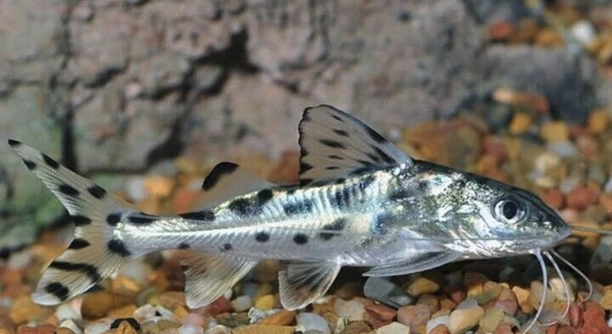
Is your Pictus catfish lying still at the bottom of the tank, making you unsure if something’s wrong or just normal behavior? This situation can feel confusing, especially if your fish was previously active and playful.
A Pictus catfish that stops moving may be experiencing stress, illness, poor water quality, or low oxygen levels. Addressing these conditions promptly by testing the water and checking for visible symptoms is essential for your fish’s recovery.
Identifying the cause early can make a big difference in your fish’s well-being and help prevent further complications in your tank.
Common Reasons Your Pictus Catfish May Stop Moving
A Pictus catfish may stop moving due to poor water quality, stress, illness, or a sudden change in its environment. These fish are usually active, so it can be alarming when they appear still. Poor water conditions like high ammonia, nitrite, or nitrate levels can make them sluggish or cause them to hide. A rapid drop in temperature or pH imbalance can also cause sudden inactivity. Stress from overcrowding, loud noises, or aggressive tank mates can make them retreat. Sometimes, inactivity is linked to internal parasites or bacterial infections. If your fish is breathing heavily or has visible marks, it may be sick. Also, if the tank has low oxygen levels, your Pictus may rest more often than usual. Regular maintenance and keeping their tank conditions stable helps prevent most of these issues. Paying close attention to changes can help you catch problems early.
If your catfish looks physically fine, test the water right away.
Even if it seems minor, something in the water could be affecting its behavior. Fish are sensitive to changes we might not notice. Try testing for ammonia, nitrite, nitrate, pH, and temperature. If anything is off, do a partial water change. Avoid sudden large changes. Be gentle when adjusting conditions to avoid more stress. If the fish is eating and shows no visible injuries, monitor it closely. Offer food it usually likes and keep the tank quiet. If inactivity continues, consider isolating the fish in a hospital tank to observe it better. Keep the hospital tank clean and match its temperature to the main tank. This can give the fish space to recover if it’s unwell or overwhelmed by its surroundings. If symptoms worsen or other fish act strangely, you may want to speak with a vet experienced in aquatic pets.
How To Help Your Catfish Recover
Make the tank quiet and reduce any movement near it.
Improving the environment can help your fish feel safe again. Dim the lighting, reduce loud noises, and avoid tapping or sudden movements around the tank.
Once you’ve checked and corrected water parameters, give your catfish time to adjust. Avoid adding new fish or changing decorations during this time. Consistency is important. A calm space allows the fish to settle and regain energy. If your fish starts swimming again, keep the care routine steady. Feed at regular times, remove uneaten food quickly, and keep the tank clean. If your catfish remains still, you can try offering a high-protein treat like bloodworms to encourage eating. Don’t overfeed. Just watch for signs of activity. A quiet environment, good food, and stable conditions often help a stressed or tired fish bounce back. If not, it may need medication. Look for signs like white spots, red patches, or rapid breathing to help identify what’s wrong.
Signs Your Pictus Catfish May Be Unwell
Watch for labored breathing, faded color, red streaks, white spots, clamped fins, or bloating. These can be signs of stress or illness. Sudden changes in behavior, like hiding constantly or refusing food, are also worth paying close attention to.
Faded or dull coloring often points to poor water quality or stress. Red streaks along the fins or body may suggest bacterial infection. White spots can be a sign of ich, a common parasite in aquariums. Clamped fins usually mean the fish is uncomfortable or unwell. Heavy breathing or staying near the surface could signal low oxygen levels. If your fish isn’t eating or is hiding more than usual, something may be wrong. These signs don’t always show up together, so noticing even one can help catch issues early. Observe the fish closely, as subtle changes in its appearance or routine often reveal the first hints of trouble.
Bloating and difficulty swimming may suggest internal parasites or digestive issues. If the belly looks swollen or the fish floats awkwardly, it’s important to separate it for observation. Sometimes, constipation causes this, and offering a shelled pea can help. In other cases, parasites may require medication. Avoid feeding too much during this time, and keep tank conditions stable. If the fish improves after fasting or eating something gentle, you’re likely dealing with a minor issue. If not, further steps may be needed. Medications for parasites or infections should be used carefully and only when necessary. Following package instructions and continuing to monitor water quality are both key to avoiding further stress.
When to Treat and When to Wait
If your fish shows mild symptoms but still eats and swims occasionally, give it time to recover naturally. Avoid rushing to medicate. Often, stable conditions and light feeding are enough to help a Pictus recover on its own.
If your catfish isn’t improving after a few days, or symptoms worsen, it may be time to consider treatment. Medications should only be used when you’re fairly certain of the problem. Treating for the wrong illness can add more stress. If you suspect ich, start with raising the water temperature slowly and using aquarium salt before using stronger medications. For bacterial infections, look for signs like red patches or open sores. In these cases, antibacterial treatments made for fish can be helpful. Use a quarantine tank if possible, to keep other fish safe. Always remove activated carbon from the filter during treatment, as it can absorb medications. Recheck water levels daily while treating.
Creating a Safe Environment
Make sure the tank has plenty of hiding spots like caves or plants. Pictus catfish feel safer when they have dark, quiet spaces to rest in, especially during the day when they’re less active.
Keep the lighting soft and avoid loud noises near the tank. Sudden sounds or movements can stress your fish and make them less active.
Feeding Tips During Recovery
Offer small portions of high-quality sinking pellets or frozen bloodworms. Avoid overfeeding, especially if the fish isn’t very active. Uneaten food can affect water quality and slow recovery. Feed once a day and watch how the fish responds. If it refuses food, try again the next day with something different. Always remove leftovers within a few minutes to prevent ammonia spikes. If your fish is eating but still not active, continue monitoring it quietly. Sometimes it just needs more time in a calm, clean tank. Stick to foods it’s used to, and avoid introducing new items while it’s not feeling well.
When to Ask for Help
If your catfish is not improving after a week or starts showing new symptoms, reach out to a vet who treats fish.
FAQ
Why is my Pictus catfish lying still but breathing normally?
Sometimes, Pictus catfish rest quietly to conserve energy or adjust to new tank conditions. If water quality is good and the fish isn’t showing signs of distress, occasional stillness can be normal. However, prolonged inactivity should be checked carefully for stress or illness.
How often should I test my aquarium water?
Regular testing is important. For a tank with Pictus catfish, test ammonia, nitrite, nitrate, pH, and temperature at least once a week. Frequent checks help catch issues early before they affect your fish’s health.
What water parameters are best for Pictus catfish?
Pictus catfish prefer a temperature between 72°F and 79°F (22°C to 26°C). They like a pH between 6.5 and 7.5 and low ammonia and nitrite levels, ideally zero. Keeping nitrate below 20 ppm helps maintain their well-being.
Can a sudden change in water cause my catfish to stop moving?
Yes, sudden temperature or pH shifts can stress Pictus catfish, causing them to become inactive. Always make changes slowly, over several hours or days, to avoid shock.
Is it normal for my catfish to hide all day?
Pictus catfish are nocturnal and often hide during the day. If your fish is active at night but still during the day, this behavior is typical. If hiding is constant and paired with other symptoms, it may indicate a problem.
What foods are best for a sick Pictus catfish?
High-protein foods like bloodworms, brine shrimp, or sinking pellets work well. Avoid flakes or foods that float since these fish prefer to eat near the bottom. Feeding small amounts helps avoid water pollution.
How can I improve oxygen levels in the tank?
Use an air pump, increase surface agitation, or add live plants to boost oxygen. Proper filtration and regular water changes also keep oxygen levels healthy.
When should I use medication for my catfish?
Use medication only if your catfish shows clear signs of disease, such as white spots, red sores, or abnormal breathing, and after testing water parameters. Incorrect use can harm the fish and beneficial bacteria in the tank.
Can stress cause my catfish to stop moving?
Yes, stress from overcrowding, aggressive tank mates, or loud noises can cause inactivity. Creating a calm environment with hiding spots reduces stress and helps your fish recover.
How long does it take for a sick Pictus catfish to recover?
Recovery time varies depending on the problem and treatment. Mild stress may resolve in a few days, while infections or parasites can take weeks. Consistent care and monitoring speed up healing.
Should I isolate my fish if it stops moving?
If your Pictus catfish shows signs of illness or weakness, isolating it in a hospital tank can help prevent spreading disease and allows focused treatment.
What can I do to prevent my catfish from getting sick?
Maintain stable water conditions, avoid overfeeding, keep the tank clean, and provide a peaceful environment. Quarantine new fish before adding them to the main tank to prevent introducing diseases.
Is it harmful if my catfish rests near the surface?
Resting near the surface can indicate low oxygen or water quality issues. Test your water and improve aeration if you notice this behavior.
Why does my Pictus catfish swim erratically before stopping?
Erratic swimming followed by stillness often signals distress from poor water conditions, parasites, or injury. Immediate water testing and observation are necessary.
Can Pictus catfish survive in small tanks?
They prefer medium to large tanks (at least 30 gallons) with plenty of space to swim. Small tanks can stress them, leading to health issues.
Is fasting beneficial for a sick catfish?
Short fasting (1-2 days) can help clear digestive issues. Avoid long fasts and always resume feeding with gentle, nutritious foods once symptoms improve.
When your Pictus catfish stops moving, it can be worrying, but it’s important to stay calm and carefully check the situation. Many times, inactivity is a sign that something in the tank isn’t quite right, such as water quality issues, stress, or illness. Paying attention to your fish’s behavior and environment can help you find the cause and take the right steps to help it recover. Remember, Pictus catfish are sensitive to changes, so keeping their tank stable and clean is key to their health. Small changes in temperature, water chemistry, or even lighting can affect them more than you might expect.
Taking good care of your catfish means regular testing of the water, providing a calm and safe space, and feeding the right foods in the right amounts. When you notice your fish is less active, it’s important to check water parameters like ammonia, nitrite, nitrate, and pH immediately. If any of these are off, a partial water change can often help. Also, keeping the tank free from loud noises and sudden movements can reduce stress. Sometimes your fish may just need time to adjust or rest. But if the inactivity continues or you notice other symptoms, it’s a good idea to separate the fish and consider treatment options. Always be gentle and patient when making changes to avoid adding more stress.
In the end, your Pictus catfish’s health depends on how well you maintain its environment and watch for early warning signs. Early detection and prompt action can prevent small problems from turning into serious ones. While it may feel overwhelming at times, learning about your fish’s needs and behaviors will make caring for it easier and more rewarding. Keeping a quiet, clean tank and feeding properly will give your catfish the best chance to stay active and healthy. With care and attention, most issues that cause your Pictus to stop moving can be managed effectively, helping your fish return to its normal, lively self.

Hello,
If you enjoy the content that we create, please consider saying a "Thank You!" by leaving a tip.
Every little bit helps us continue crafting quality advice that supports the health, happiness, and well-being of pets around the world, for pets of all shapes, sizes, and species.
We really appreciate the kindness and support that you show us!