
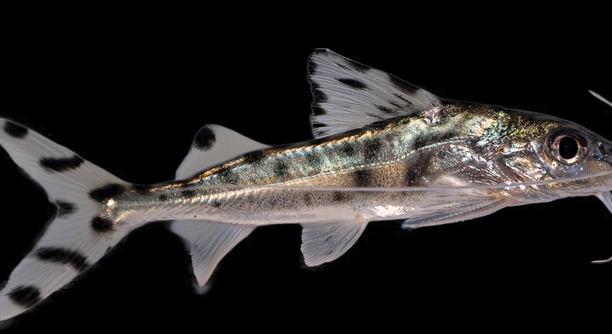
Is your Pictus Catfish acting differently or looking less lively than usual? Many fish owners may not realize when their catfish is under stress. Recognizing these signs early can make a big difference for your pet’s health.
Stress in Pictus Catfish is often shown through changes in behavior, appetite, and physical appearance. Signs such as erratic swimming, hiding more than usual, or faded colors indicate the fish is struggling with its environment or health. Identifying these signs helps prevent serious problems.
Knowing what to watch for helps you create a better home for your catfish and keeps it happy longer.
Changes in Swimming Behavior
When your Pictus Catfish starts swimming differently, it could be a clear sign of stress. They usually glide smoothly near the bottom or middle of the tank, but if you notice sudden darting, frantic movements, or sluggish swimming, something might be wrong. Stress often causes fish to lose their usual rhythm. You might see them swimming near the surface gasping for air or hiding excessively behind decorations. These behaviors suggest the fish is uncomfortable or struggling to breathe. Changes in water conditions or tank mates can trigger this. Paying attention to how your catfish moves gives you clues about its well-being. Adjusting tank settings or water quality often helps improve their behavior quickly.
Erratic swimming is one of the earliest and most noticeable signs that your catfish is under stress.
If you spot unusual swimming patterns, test the water quality and check the tank environment immediately to reduce stress factors and help your catfish feel more secure.
Loss of Appetite
A stressed Pictus Catfish often eats less or stops eating altogether. This change can be subtle at first but becomes more obvious over time. Appetite loss is a strong indication that your fish is not feeling well. Stress weakens their immune system and lowers their energy, making feeding less appealing. It could also mean the water temperature or quality isn’t right. Sometimes aggressive tank mates cause stress and keep your catfish from eating. Monitoring their eating habits daily helps catch problems early. You can try offering favorite foods or feeding smaller amounts more frequently to encourage eating. If the problem continues, testing the water or consulting an expert may be necessary.
Lack of appetite should not be ignored as it impacts your catfish’s health directly.
Making simple changes like improving water quality or adjusting feeding routines often brings back a normal appetite and vitality.
Faded or Dull Colors
When your Pictus Catfish starts to lose its bright colors, this often signals stress. A healthy catfish usually displays shiny silver scales with distinct spots. Dull or faded colors can mean poor water quality or illness.
Color fading is a common response to an unfavorable environment. Changes in temperature, pH levels, or the presence of toxins can make your catfish lose its vibrant appearance. Stress from overcrowding or bullying by tank mates can also affect color. It’s important to regularly check water parameters and maintain a clean tank. Proper lighting and a balanced diet also support healthy coloration. If you notice fading, take steps to improve the environment quickly to help your catfish regain its natural glow.
Sometimes, color changes happen gradually, making it easy to miss. Comparing your catfish to past photos can help spot this issue early.
Excessive Hiding
Hiding more than usual is a clear sign that your Pictus Catfish feels stressed or unsafe. This behavior shows that the fish is trying to avoid discomfort or threats. It can affect its overall well-being.
Fish naturally seek shelter, but constant hiding can mean stress from tank conditions or aggressive neighbors. If the tank lacks enough hiding spots, the catfish may feel exposed and anxious. Water issues, such as high ammonia or nitrate levels, can also push the fish to stay hidden. Adding plants, caves, or decorations can create safe spaces and reduce stress. Regular observation of your catfish’s behavior helps identify if excessive hiding is becoming a problem. Making these adjustments encourages the fish to be more active and comfortable in its home.
Clamped Fins
Clamped fins happen when your Pictus Catfish holds its fins close to the body instead of spreading them out. This is a common stress response that indicates discomfort or illness.
This behavior reduces the fish’s ability to swim properly and signals that something in the environment needs attention, such as water quality or tank mates.
Rapid Gill Movement
Rapid gill movement means your catfish is breathing faster than usual. This often points to low oxygen levels or poor water quality in the tank.
Monitoring oxygen levels and ensuring proper filtration can help your fish breathe easier and feel more comfortable.
Unusual Aggression
Sometimes, stressed Pictus Catfish become aggressive toward other fish. This behavior is often caused by overcrowding or competition for resources in the tank.
FAQ
How can I tell if my Pictus Catfish is stressed?
Stress signs include unusual swimming, loss of appetite, faded colors, clamped fins, rapid gill movement, excessive hiding, and aggression. Watching your fish’s behavior daily helps catch problems early. Changes like erratic swimming or hiding more than usual often indicate something is wrong with the tank environment or the fish’s health.
What causes stress in Pictus Catfish?
Stress can come from poor water quality, incorrect temperature, overcrowding, aggressive tank mates, or sudden changes in the tank. Ammonia or nitrate levels that are too high make fish uncomfortable and sick. Lack of hiding spots or rough handling can also upset your catfish.
How do I improve water quality for my catfish?
Regular water changes are key. Test water parameters weekly, focusing on ammonia, nitrite, nitrate, and pH levels. Use a reliable filter and avoid overfeeding to reduce waste buildup. Keeping the tank clean creates a stable and healthy environment, which lowers stress for your catfish.
Can diet affect my catfish’s stress levels?
Yes, diet plays a role. A balanced diet with quality pellets, frozen, or live foods keeps your catfish healthy and less prone to stress. Feeding too little or too much can harm their health. Small, frequent meals are better than large, irregular feedings.
What should I do if my catfish hides all the time?
First, check the tank conditions. Make sure the water is clean and parameters are correct. Add plants, caves, or decorations to provide safe hiding spots. If aggressive fish share the tank, consider separating them. Encouraging a calm environment helps your catfish feel secure.
Is sudden color fading always a sign of illness?
Not always. Fading can indicate stress from poor water quality or environmental changes, but it might also be a natural response to low lighting or age. However, if color loss comes with other signs like lethargy or clamped fins, it’s best to act quickly.
How often should I test my tank water?
Testing once a week is recommended to keep track of water quality. More frequent testing may be needed if you notice signs of stress or illness. Monitoring water conditions helps prevent problems before they become serious.
What temperature is best for Pictus Catfish?
Pictus Catfish prefer temperatures between 74°F and 79°F (23°C to 26°C). Temperatures outside this range can cause stress and make them more vulnerable to disease. Using a reliable heater and thermometer keeps the tank stable.
Can tank size affect stress levels?
Yes, Pictus Catfish need space to swim freely. A tank that’s too small can cause stress and aggression. A minimum of 30 gallons is recommended for a small group. Overcrowding increases waste and lowers water quality, adding to stress.
How do aggressive tank mates affect my catfish?
Aggressive fish can intimidate or harm your Pictus Catfish, causing it to hide or stop eating. Choosing peaceful tank mates and providing plenty of hiding spaces helps reduce stress. If aggression persists, separating the fish may be necessary.
What signs mean I should see a vet?
If your catfish shows persistent loss of appetite, rapid weight loss, open wounds, or unusual swimming for more than a week, veterinary advice is important. Some diseases need professional treatment beyond water changes and tank adjustments.
Can stress cause disease in Pictus Catfish?
Yes, stress weakens the immune system, making the fish more prone to infections like ich, fin rot, or fungal diseases. Keeping stress low through good care reduces the risk of illness and supports recovery if disease occurs.
Is it normal for Pictus Catfish to hide during the day?
They are mostly nocturnal and prefer hiding during daylight. However, excessive hiding or staying hidden all the time usually means stress or discomfort. Creating a comfortable environment with plenty of shade and hiding spots can balance their activity.
What are signs of good health in a Pictus Catfish?
A healthy catfish swims smoothly, eats well, has bright colors, clear eyes, and open fins. It explores the tank actively and rests calmly. Regular observation helps you spot any changes early before problems grow.
How long can a Pictus Catfish live with proper care?
With good water quality, proper diet, and a peaceful tank, they can live up to 8–10 years. Stress reduction and regular maintenance extend their lifespan and improve their quality of life.
Final Thoughts
Taking care of a Pictus Catfish means paying close attention to how it behaves and looks. Stress in these fish can show up in many ways, like swimming oddly, hiding too much, or losing appetite. It is important to notice these signs early so you can act before the problem gets worse. Keeping a clean tank with good water quality helps your catfish stay healthy and happy. Regular water tests and proper filtration are key parts of this care. Small changes in water temperature or pH can affect your fish, so try to keep everything stable.
Feeding your catfish well also plays an important role in reducing stress. A balanced diet made of quality pellets and occasional live or frozen food keeps their energy up and supports their immune system. Avoid overfeeding because leftover food can pollute the tank, leading to poor water conditions that cause stress. Also, watch out for aggressive tank mates that might scare your catfish. Giving your fish enough space and hiding places can make a big difference in how safe and calm it feels. Sometimes, even small adjustments to the tank environment improve your catfish’s mood and health.
Overall, caring for a Pictus Catfish requires patience and regular attention. Stress is a common issue but can be managed by providing the right environment and care. Keeping the tank clean, feeding properly, and watching your fish closely are simple but effective ways to prevent stress. When you notice any signs of discomfort, it’s important to take action quickly. This will help your Pictus Catfish live a longer and more comfortable life. With these steps, your catfish can remain an active and beautiful part of your aquarium.

Hello,
If you enjoy the content that we create, please consider saying a "Thank You!" by leaving a tip.
Every little bit helps us continue crafting quality advice that supports the health, happiness, and well-being of pets around the world, for pets of all shapes, sizes, and species.
We really appreciate the kindness and support that you show us!