
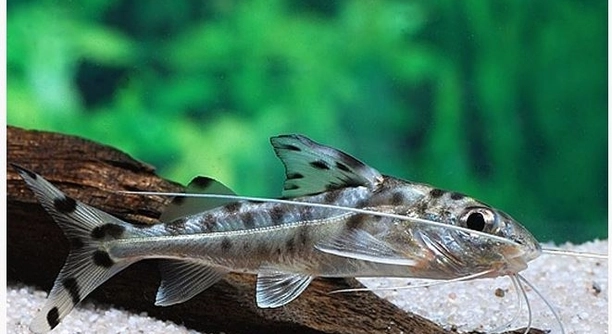
Have you ever looked at your lone pictus catfish swimming in a large tank and wondered if it’s feeling a bit isolated?
Pictus catfish are social creatures that thrive best in groups. When kept alone in large tanks, they can experience stress or display signs of loneliness. Providing companions and enrichment can support their mental and physical well-being.
From their natural behaviors to practical tank setup tips, we’ll walk through what your pictus catfish truly needs to feel at home.
Why Pictus Catfish Prefer Companionship
Pictus catfish are naturally active and sociable fish. In the wild, they live in groups and rely on each other for comfort and interaction. When kept alone in a big tank, they may become anxious or hide often, which is a sign of stress. While they are not aggressive, they do enjoy having others of their kind nearby. This doesn’t mean they need to be in large schools, but having at least two or three in a tank can make a significant difference. When placed with compatible tank mates, they tend to swim more confidently and show more natural behaviors. Their energy and need for interaction are best supported by a setup that allows them to engage with others. A spacious tank with hiding spots, gentle filtration, and a soft substrate further encourages their health and comfort. Ensuring they’re not left isolated helps prevent boredom and stress-related behavior.
Keeping them alone can lead to long-term stress.
Even though pictus catfish don’t “feel” loneliness the way humans do, they still respond negatively to being isolated. Reduced activity, hiding, and stress-related issues can develop in single fish. Their quality of life improves when they can interact with others and explore their surroundings with confidence.
Creating a Supportive Tank Environment
Lonely behavior in a pictus catfish can often be traced back to a lack of environmental support.
A supportive tank setup makes a big difference in how your pictus catfish behaves and thrives. First, aim for a tank size of at least 55 gallons if you plan to keep a small group. These fish are fast swimmers, and the extra space helps reduce territorial stress. Add plenty of caves, driftwood, and shaded areas to allow for rest and hiding, which helps them feel secure. Smooth gravel or sand keeps their whiskers safe while they explore. Keep lighting soft to mimic their natural habitat, and avoid sudden changes in temperature or water conditions. The tank should include a good filtration system to keep the water clean without causing strong currents. Feeding them a varied diet of sinking pellets and occasional live or frozen foods helps keep them active and healthy. When these basic needs are met, pictus catfish are more relaxed, display natural behaviors, and interact better with each other.
Observing Signs of Stress in a Single Catfish
When a pictus catfish feels unsettled, it may swim less, hide more, or refuse food. These behaviors often suggest discomfort, especially in solitary fish. While subtle, these signs are worth noting if the tank setup seems otherwise ideal.
Changes in behavior often show up slowly. A normally active pictus catfish might begin staying still in one corner or hiding all day, even during feeding times. You might also notice it becoming skittish, darting away from movement or light. These reactions may point to social stress from being alone in a large tank. In some cases, it could also mean that water conditions are not ideal. However, if the parameters are stable and other factors are ruled out, then the absence of companions may be the cause. Watching their daily patterns helps you respond early and make changes to improve their overall comfort.
Feeding is another behavior to monitor. A lonely catfish may lose interest in food or eat less than usual. Some will only eat when the lights are off, becoming overly cautious during feeding. If this change occurs after moving the fish to a larger tank alone, social isolation might be the issue. While they are shy by nature, pictus catfish should still explore the tank and feed actively, especially at night. Lack of appetite combined with hiding or sluggishness is a reliable sign that something in their environment isn’t working for them. Adding tank mates and improving environmental enrichment often helps correct this over time.
Choosing the Right Tank Mates
Pictus catfish are generally peaceful, but they can be fast and active, which might overwhelm smaller or slower fish. It’s best to keep them with similarly sized tank mates who enjoy mid-to-bottom swimming. Avoid aggressive species or fin-nippers.
Good companions for pictus catfish include peaceful species like silver dollars, larger tetras, and other non-aggressive catfish. These tank mates match their energy and don’t provoke defensive behavior. Bottom dwellers like corydoras may work in very large tanks but should not be too small, as pictus may chase them. Always monitor new additions closely. Avoid angelfish, bettas, or anything with flowing fins, since pictus may mistake them for food or become overly curious. Fast swimmers that can hold their own are often the safest choice. Keep at least three pictus together for balanced interaction, and provide enough space so no fish feels crowded. A balanced group improves tank harmony and keeps stress levels low.
Maintaining Group Dynamics in Larger Tanks
Keeping three to five pictus catfish in a spacious tank supports healthy group behavior. This number allows them to interact naturally without becoming too competitive or stressed. Always ensure the tank has enough hiding spots and open areas for active swimming.
Avoid mixing overly large or small numbers. Too few fish can lead to stress, while too many in a confined space can trigger territorial behavior. Spread out hiding spaces and avoid overcrowding to reduce tension within the group. A stable, well-maintained environment encourages calm, active, and social fish behavior in community tanks.
How Lighting and Décor Impact Mood
Lighting and tank decoration play a key role in your catfish’s behavior. Pictus catfish prefer dim or indirect lighting. Bright lights can make them nervous or lead to hiding. Try adding floating plants or adjustable lighting to create shaded areas. Décor such as driftwood, caves, and broad-leaf plants gives them shelter and helps mimic their natural habitat. These details help them feel safe and allow them to explore without stress. A balanced layout with clear swim paths and soft shadows will improve their comfort and confidence, especially in large tanks where space can feel overwhelming without proper structure.
Feeding Habits and Social Behavior
Feeding your catfish in groups can encourage more active eating. Observing others eat can help hesitant fish feel secure and engaged.
FAQ
Can pictus catfish live alone?
Yes, they can survive alone, but it’s not ideal for their well-being. Pictus catfish are naturally social and do better in small groups. When kept alone, they often hide more, swim less, and may seem withdrawn. Keeping at least three together helps reduce stress and encourages natural activity. While a single pictus may appear healthy, it won’t behave as confidently or actively as one that has companions. If you’re limited to one fish, enrich the environment with plenty of hiding spots, smooth décor, and a calm setting to reduce feelings of isolation.
Do pictus catfish need to be kept in schools like tetras?
They don’t need large schools like tetras, but small groups are recommended. Three to five individuals are enough to keep them active and comfortable without creating tension. A single pictus often becomes shy or stressed, while groups show more social behaviors. They chase, swim together, and explore more when not alone. Unlike tetras, their grouping needs are less strict, but social interaction still plays a key role in their overall health and happiness. Just make sure the tank is large enough to handle multiple active swimmers without overcrowding.
What signs show that a pictus catfish is unhappy?
Unhappiness in pictus catfish often appears through hiding, reduced activity, lack of appetite, and nervous swimming. If they stay in one spot all day or avoid eating, it’s a signal something isn’t right. Stress can also show as darting quickly when lights come on or when someone walks by. Check water parameters first, but if everything looks fine and the fish is still acting off, it may be due to loneliness or an unstimulating environment. A happy pictus catfish will swim actively, interact with tank mates, and eat confidently, especially in the evening.
Can pictus catfish get along with other bottom dwellers?
Yes, but size matters. Avoid very small fish that could be mistaken for food. Larger bottom dwellers like bristlenose plecos or peaceful loaches are usually safe companions. Make sure there’s enough space and hiding spots for all species. Pictus catfish are fast but not aggressive, so they tend to ignore tank mates if they have their own room to explore. Avoid pairing them with slow-moving or territorial bottom dwellers, which can lead to unnecessary conflict. A calm environment with clear boundaries helps reduce stress for both species.
What tank size is best for a group of pictus catfish?
A 55-gallon tank is the minimum for a group of three. These fish are very active and need space to swim freely. Crowded tanks can lead to stress or injuries. If you plan to keep more than three, consider upgrading to a 75-gallon or larger. The tank should also have plenty of hiding spots and open swimming areas. Use soft lighting, smooth substrate, and stable water conditions. A longer tank layout (rather than tall) works best, as these fish enjoy horizontal movement. Keeping enough space helps maintain harmony in the group.
Do pictus catfish sleep?
Yes, but not in the way people usually think. Pictus catfish are nocturnal, meaning they’re more active at night. During the day, they rest in caves or shaded areas, staying still for long periods. This is their natural resting phase. It’s important to provide dim lighting or places where they can relax during daylight hours. Floating plants or driftwood with cover help them feel secure. If they seem inactive during the day, it’s usually not a concern—just part of their normal pattern. Most activity will happen once the tank lights are off or dimmed.
Can I keep just two pictus catfish together?
Two is better than one, but it’s not the most stable group size. Pictus catfish do better in odd-numbered groups like three or five, which helps balance social interaction and reduce pairing stress. In pairs, one fish may become dominant, while the other becomes withdrawn or stressed. If space limits you to two, keep a close eye on their behavior and provide a large tank with plenty of hiding places. This can reduce tension and help both fish feel secure. Still, a group of three or more is the most recommended for their long-term health.
Final Thoughts
Keeping pictus catfish in a big tank can be a good experience when their needs are met. These fish are active, curious, and social by nature. While they can live alone, they are not at their best when isolated. Being in a group allows them to explore more, eat better, and show natural behaviors. A larger tank gives them the space they need, but it must also provide a safe, comfortable environment. The right lighting, hiding places, and tank mates all make a difference in how your pictus catfish behave. It’s not just about the size of the tank, but how that space is used.
Social interaction is important for these fish. Keeping them with others of their kind helps reduce stress and build confidence. A group of three or more creates balance and allows them to feel safe. When alone, pictus catfish may hide more, eat less, or become overly nervous. These changes are small at first but can affect their long-term health. Choosing peaceful, active tank mates and avoiding aggressive or slow-moving species helps them settle in better. It’s also helpful to keep an eye on their daily behavior, so any signs of stress can be caught early and addressed quickly.
A big tank is only beneficial when it supports both physical and mental needs. Clear swim paths, soft lighting, and plenty of cover make the space feel more natural. Observing your pictus catfish in a well-planned tank can be rewarding, as they become more confident and playful. If they appear withdrawn, it may be time to adjust their setup or consider adding companions. In the end, caring for pictus catfish means more than just giving them space—it’s about creating the right environment for them to feel secure and active. When that balance is met, your tank becomes not only larger, but livelier and more peaceful too.

Hello,
If you enjoy the content that we create, please consider saying a "Thank You!" by leaving a tip.
Every little bit helps us continue crafting quality advice that supports the health, happiness, and well-being of pets around the world, for pets of all shapes, sizes, and species.
We really appreciate the kindness and support that you show us!