
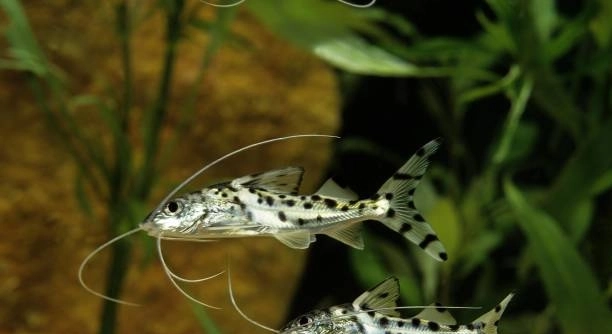
Many fish owners enjoy caring for their Pictus catfish and want to keep them healthy. Overfeeding is a common issue that can cause problems for these lively fish. Recognizing the signs early helps maintain their well-being.
Overfeeding Pictus catfish can lead to health issues such as bloating, poor water quality, lethargy, and digestive problems. These symptoms negatively impact their lifespan and overall behavior, making proper feeding amounts essential for their care.
Knowing these signs will help you prevent overfeeding and promote a balanced diet for your Pictus catfish. This guide explains key indicators to watch for in your fish’s behavior and appearance.
Signs of a Bloated Belly
A bloated belly is one of the clearest signs your Pictus catfish is overfed. When they eat too much, their stomachs swell and look puffy, which is not normal. This swelling can make it hard for them to swim properly and can cause discomfort. Over time, the excess food in their system may lead to digestive issues or even constipation. A healthy Pictus catfish should have a smooth and slim body shape. If you notice your fish’s belly growing larger and rounder than usual, it’s time to cut back on feeding. You might also see the fish resting more often at the bottom of the tank because it feels uncomfortable swimming around. These signs suggest that the fish’s digestive system is struggling to handle the extra food.
It’s important to adjust feeding portions and frequency to avoid bloating. Monitoring your fish closely will keep them healthy.
Feeding the right amount can prevent bloating and help your catfish stay active. Regular tank maintenance also helps by keeping the water clean from leftover food that can cause further issues. A well-balanced diet paired with good tank care supports your fish’s overall health and comfort.
Poor Water Quality
Overfeeding often leads to poor water quality in the tank. When too much food is given, the leftovers decay and release harmful substances like ammonia and nitrites. These chemicals are toxic to Pictus catfish and can stress them out or cause illness. Cloudy or smelly water is a sign that overfeeding is affecting the tank environment. If you see uneaten food sinking to the bottom or floating around, it means you are feeding too much. This leftover food decomposes quickly, and the tank’s filtration system may struggle to keep the water clean.
Water quality is crucial for the health of your Pictus catfish. Keeping the tank clean by reducing excess food and performing regular water changes helps maintain a safe environment. Poor water conditions can lead to diseases and weaken your fish’s immune system. Adjusting feeding habits ensures less waste and better water quality, creating a healthier home for your catfish. Regular monitoring of water parameters and tank cleanliness is a simple but effective way to protect your fish.
Lethargy and Reduced Activity
Overfed Pictus catfish often become lethargic. They swim less and spend more time resting on the tank floor. This drop in energy is a warning sign that their diet needs adjustment.
When a Pictus catfish is overfed, its body works harder to digest the extra food, which can drain its energy. You may notice the fish avoiding swimming around or exploring as it usually does. Instead, it might lie still or hide more often. This change in behavior indicates discomfort or stress related to overfeeding. If left unchecked, lethargy can lead to more serious health problems, including weakened immune function and increased susceptibility to disease.
Reducing feeding amounts can help restore your fish’s energy levels. Provide a balanced feeding schedule and avoid giving snacks between meals. Encouraging movement through a clean tank and proper environment also supports their activity. Watching for signs of lethargy ensures your catfish stays lively and healthy.
Changes in Fins and Skin
Overfeeding can cause visible changes in a Pictus catfish’s fins and skin. These changes may include redness, fraying, or dullness, signaling stress or illness.
Excess food often leads to poor water quality, which affects the fish’s skin and fins. Harmful chemicals from decaying food irritate their delicate tissues. This irritation can cause fin rot or infections if not addressed quickly. You might also see unusual spots or discoloration developing on the fish’s body. Maintaining clean water and controlling feeding are essential to prevent these issues.
If you notice changes in your catfish’s appearance, reducing feeding is the first step to recovery. Improving tank conditions by performing water changes and monitoring water quality helps heal skin and fin damage. Acting early can save your fish from long-term harm and keep it looking vibrant.
Excessive Waste Production
Overfed Pictus catfish produce more waste than usual. This extra waste can quickly dirty the tank and harm water quality.
A large amount of uneaten food and fish waste increases ammonia levels in the tank. High ammonia can stress your fish and cause health problems. Keeping feeding controlled helps reduce waste buildup and maintains a cleaner environment.
Loss of Appetite
Overfeeding can cause your catfish to lose interest in food. They may ignore meals or eat less than usual. This behavior can confuse owners who think their fish are healthy.
Loss of appetite happens because the fish feel full from excess food in their system. This can lead to nutrient imbalances and slower growth. Monitoring feeding habits closely helps prevent this problem and keeps your fish eating well.
Rapid Weight Gain
Pictus catfish that are overfed gain weight quickly. This weight gain can put stress on their organs and affect overall health.
How often should I feed my Pictus catfish?
Feeding your Pictus catfish once or twice a day is usually enough. They don’t need large amounts each time. Small, measured portions help prevent overfeeding and keep the tank clean. It’s better to feed less and more often than to give one large meal that your fish can’t finish.
What happens if I accidentally overfeed my Pictus catfish?
If you overfeed occasionally, your fish might feel bloated or less active for a short time. Uneaten food will start to decay in the tank, which harms water quality. Make sure to remove leftover food quickly and do a water check. Adjust feeding habits to avoid repeated overfeeding.
Can overfeeding cause diseases in my Pictus catfish?
Yes, overfeeding can increase the risk of diseases. Excess food decays and releases toxins that weaken your fish’s immune system. Poor water quality caused by leftovers can lead to fin rot, fungal infections, and other illnesses. Keeping feeding under control supports their health and prevents infections.
How do I know if my Pictus catfish is getting enough food?
Your fish should eat all the food you provide within a few minutes. If there is food left uneaten, reduce the amount next time. A healthy Pictus catfish will be active and show interest in food during feeding times. Avoid feeding large portions that remain uneaten.
Is it okay to feed my Pictus catfish different types of food?
Yes, variety is good for their nutrition. You can offer sinking pellets, frozen or live foods like bloodworms, and small insects. However, don’t overfeed just because you want to offer different foods. Keep total daily amounts balanced to prevent problems.
What should I do if my Pictus catfish shows signs of overfeeding?
Start by cutting back on food and feeding smaller portions. Perform regular water changes to improve tank conditions. Watch your fish closely for improvements in activity and appearance. If symptoms continue, consider consulting a vet or an experienced fish keeper.
Can overfeeding affect the behavior of my Pictus catfish?
Yes, overfed fish often become less active and may hide more. Lethargy is a common behavioral change due to discomfort and digestive issues. Keeping feeding balanced helps maintain normal behavior and keeps your fish lively and curious.
How does overfeeding impact tank maintenance?
Overfeeding creates excess waste and uneaten food, which fouls the water. This means you will need to clean the tank more often and perform more water changes. Managing feeding amounts reduces maintenance and creates a healthier environment for your fish.
Are baby Pictus catfish more sensitive to overfeeding?
Young Pictus catfish are indeed more sensitive. Their smaller size means overfeeding can cause faster bloating and digestive trouble. Feed baby fish smaller amounts more frequently and watch for any signs of distress. Proper feeding early on helps them grow healthy.
Can I use feeding tools to avoid overfeeding?
Feeding tools like small cups or automatic feeders can help control portions. Automatic feeders release small amounts at set times, preventing excess food. Using these tools ensures your Pictus catfish gets consistent and appropriate meals, lowering the risk of overfeeding.
Final Thoughts
Feeding your Pictus catfish the right amount is important for their health and happiness. Overfeeding can cause many problems, such as bloating, lethargy, and poor water quality. These issues can make your fish uncomfortable and lead to serious health concerns over time. By paying attention to how much you feed and watching for warning signs, you can help your fish live a longer, healthier life. Simple changes like smaller portions and regular tank cleaning go a long way in preventing problems.
It is easy to think that feeding more will make your fish healthier, but that is not true. Like people, fish need balance. Too much food can cause weight gain and stress on their bodies. It also causes leftover food to build up in the tank, which harms water quality and puts your fish at risk. Feeding a Pictus catfish twice a day with small amounts is usually enough. Make sure your fish eats all the food within a few minutes, and remove any leftovers to keep the tank clean.
Keeping your Pictus catfish healthy requires watching their behavior and appearance. Signs like a swollen belly, changes in skin or fins, less movement, and unusual waste are all clues that something may be wrong. When you notice these signs, adjusting feeding habits and improving tank maintenance are the best ways to help your fish. Being consistent with feeding schedules and tank care will support your catfish’s well-being and keep them active and happy in their environment.

Hello,
If you enjoy the content that we create, please consider saying a "Thank You!" by leaving a tip.
Every little bit helps us continue crafting quality advice that supports the health, happiness, and well-being of pets around the world, for pets of all shapes, sizes, and species.
We really appreciate the kindness and support that you show us!