
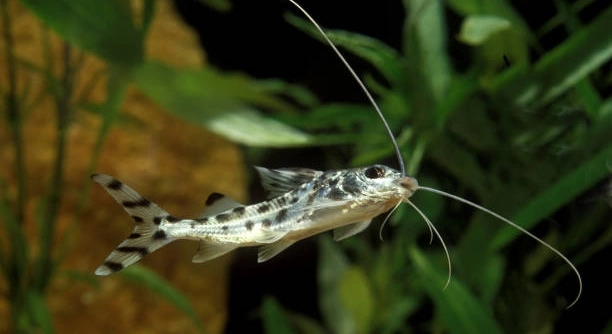
Is your Pictus catfish constantly darting around the tank, showing bursts of energy that seem hard to explain or manage?
The most common causes of hyperactivity in Pictus catfish include poor water quality, insufficient space, stress, inadequate diet, inconsistent lighting, lack of enrichment, and incompatible tank mates. These factors can impact both their behavior and overall well-being.
Understanding these causes will help you create a more peaceful, healthier environment for your Pictus catfish and support their natural behavior.
Poor Water Quality
When water conditions drop below a stable level, Pictus catfish often react with increased activity. Ammonia spikes, high nitrates, or pH imbalances stress them out, causing them to swim erratically in search of relief. These fish are highly sensitive to changes, especially sudden ones. If water quality is poor, it affects their gills, digestion, and behavior. Dirty tanks lead to discomfort and confusion, which show up as bursts of movement or nonstop swimming. Even if the fish appears physically healthy, polluted water can silently disrupt its internal balance. Regular maintenance—such as partial water changes, gravel vacuuming, and filter checks—makes a big difference. Keep parameters stable and clean to avoid unnecessary stress. Always test your water weekly and adjust as needed, focusing on consistency rather than quick fixes. A healthy tank will support a calm, balanced catfish that doesn’t need to overreact to its environment.
Hyperactivity linked to water quality often disappears once the environment is stable again. Their behavior naturally calms when their surroundings improve.
If your Pictus catfish is zooming across the tank without pause, it’s a good idea to check ammonia, nitrite, and nitrate levels first. These are often behind unwanted behavior shifts, especially sudden ones.
Inadequate Tank Size
Small tanks can create stress and restlessness in Pictus catfish. These active fish need plenty of space to swim freely without bumping into decorations or tank mates.
A minimum tank size of 55 gallons is recommended for a single Pictus catfish, with even more space needed for groups. Being confined in a cramped environment limits their movement and increases their frustration. Over time, this lack of space can lead to constant darting and pacing behavior. Pictus catfish are natural explorers, and if they’re stuck in tight areas, their stress levels build up. This can also cause aggression or erratic swimming near the glass. Larger tanks allow for smoother movement and help maintain stable water conditions, which are crucial for their comfort. Adding hiding spots and swim-through spaces also supports their need for activity and security. When given proper space, these fish tend to display more relaxed and natural behavior, which leads to a healthier, more peaceful tank overall.
Stress from Tank Mates
Pictus catfish often become hyper when surrounded by aggressive or overly active tank mates. Constant chasing, fin nipping, or territorial disputes can trigger stress, leading to erratic swimming and anxious behavior throughout the day and night.
These fish are peaceful by nature and do best with similarly calm species. Fast or aggressive fish, such as certain cichlids, can easily overwhelm them. When Pictus catfish are constantly alert or avoiding conflict, they may dart around, hide excessively, or become more sensitive to noise and movement outside the tank. Choosing compatible tank mates is essential. Avoid pairing them with fish that are territorial or too large. Instead, go for community-friendly species that won’t compete aggressively for space. Keeping them in a group of their own kind can also provide comfort, as they are naturally social. When their social surroundings are calm, their activity tends to become more balanced and predictable.
You’ll notice a big difference in their behavior once aggressive or incompatible tank mates are removed. They start exploring more normally and settle into a healthy routine, instead of reacting constantly to threats or competition for food and territory.
Inconsistent Lighting and Noise
Flashing lights or irregular tank lighting can make Pictus catfish anxious. Loud sounds or constant noise vibrations near the tank also disturb their sense of safety, leading to bursts of panic-like swimming.
These fish prefer a consistent day-night cycle and dim lighting, as they are more active during low-light periods. Bright or sudden lights—especially during the night—can interrupt their resting periods and lead to overstimulation. The same goes for vibrations from nearby electronics, tapping on the glass, or loud household noise. These disturbances disrupt their ability to feel secure in their environment. Over time, repeated exposure can cause ongoing hyperactivity. To avoid this, use a timer for tank lights and place the aquarium in a quieter area of your home. Covering part of the tank during the night or adding floating plants can also reduce harsh lighting. The calmer the setting, the more relaxed and natural their behavior becomes.
Lack of Enrichment
Without enough stimulation, Pictus catfish may become overly active as they try to find something to do. Constant swimming or glass surfing is often a sign they need more ways to explore and stay engaged.
Adding driftwood, caves, and plants can make a big difference. These give your catfish places to rest, explore, and hide when needed. It helps mimic their natural habitat and supports more balanced behavior.
Improper Diet
Feeding your Pictus catfish the wrong type or amount of food can lead to bursts of hyperactivity. A poor diet—especially one lacking in protein—can cause them to become restless as they search for something better. These fish are natural scavengers and do well with a varied diet that includes high-quality sinking pellets, bloodworms, and other protein-rich foods. If they’re constantly swimming around or digging through gravel, it might be a sign they’re not getting enough. Feeding them small portions twice a day keeps them satisfied and prevents overfeeding. A well-fed catfish tends to move more calmly and predictably.
Natural Nocturnal Behavior
Pictus catfish are naturally more active at night. If you’re observing them during these hours, their swimming may appear excessive, even though it’s normal for their species.
FAQ
Why is my Pictus catfish constantly swimming at the glass?
This usually means your catfish is stressed or unhappy with its environment. Common reasons include poor water quality, an undersized tank, or not enough places to hide. Constant swimming at the glass is often a sign they’re trying to escape discomfort. Double-check water parameters, make sure the tank is large enough, and add hiding spots like driftwood or plants. Also, be sure the tank mates aren’t too aggressive. When these needs are met, most catfish stop this behavior and settle into a more relaxed pattern.
Can loud noises cause my Pictus catfish to act hyper?
Yes, Pictus catfish are sensitive to sound and vibrations. Tanks placed near TVs, speakers, or heavy foot traffic can lead to overstimulation. They might dart around or hide suddenly if the noise startles them. Consistent background noise is less stressful than random loud bursts. Try placing your tank in a quieter part of your home and avoid tapping on the glass. Soft lighting and a stable environment help them feel safe, which lowers their stress and keeps them calm.
Do Pictus catfish get bored?
Yes, they can become bored if the tank is too plain. Without places to explore, rest, or hide, they often show hyperactive behavior. Add decorations like caves, driftwood, or plants to give them more structure. Changing the layout every few weeks also stimulates them mentally. These fish are natural explorers and thrive in enriched environments. When they have more things to interact with, they move more naturally and less erratically. Boredom may not harm them right away, but it often leads to long-term behavioral problems.
Is it normal for my Pictus catfish to be active at night?
Yes, it’s completely normal. Pictus catfish are nocturnal by nature, meaning they’re more active when the lights are off. If you’re watching them at night, their activity might seem excessive, but that’s part of their normal rhythm. During the day, they usually rest or hide in shaded areas. If they’re moving a lot during daylight hours, it could be due to stress, loud noises, or poor lighting cycles. A consistent light schedule and peaceful surroundings help maintain their natural activity pattern.
How many Pictus catfish should I keep together?
Pictus catfish are social and do well in small groups of three or more. Keeping just one can lead to nervous or restless behavior. In a group, they tend to feel safer and show more natural swimming patterns. However, more fish means more space is needed. A 55-gallon tank is a good starting point for a small group, but more room is always better. Just be sure to monitor the water quality closely, as group living increases waste and bio-load in the tank.
What foods help reduce hyperactivity in Pictus catfish?
Protein-rich sinking pellets, bloodworms, brine shrimp, and chopped earthworms are good options. These mimic their natural diet and help keep them satisfied. Feeding them once or twice daily in small portions prevents overeating and keeps their energy balanced. A poor diet, especially one low in protein or nutrients, can leave them restless and constantly scavenging. Avoid feeding only flakes or floating foods, as they’re bottom dwellers and prefer food that sinks. A well-fed catfish will spend less time frantic and more time resting or exploring calmly.
Can temperature changes affect my Pictus catfish’s behavior?
Yes, temperature swings can trigger hyperactivity. Sudden increases or drops in temperature may stress your catfish, causing them to dart or hide. Try to maintain a stable temperature between 75–80°F (24–27°C). Use a reliable heater and thermometer to avoid fluctuations. Even a 2–3 degree change in a short time can unsettle them. Also, avoid placing the tank near windows or vents that may affect the temperature throughout the day. Consistent warmth helps your fish feel secure and calm in their space.
Final Thoughts
Pictus catfish are active and curious by nature, but when their energy becomes excessive, it’s often a sign that something in their environment needs attention. Hyperactivity can be caused by many different factors, and most of them are easy to overlook. Water quality, tank size, lighting, diet, and even noise around the tank can all affect how your fish behaves. Sometimes it’s just a matter of small adjustments—like adding more hiding spots or changing the feeding routine. Other times, it might take a closer look at water conditions or tank mates. By understanding these causes, it becomes easier to support your catfish and give them a calmer, more natural space.
One of the most helpful things you can do is observe your catfish closely. Notice when the hyperactivity happens, how long it lasts, and if anything in the tank changes before or after. If they become restless during the day but settle down at night, that’s likely normal behavior. But if they’re always swimming quickly, bumping into things, or reacting to movement outside the tank, something might be off. Pay attention to how they respond to feeding, lighting, and interaction with other fish. Small details like these often reveal what’s bothering them. Pictus catfish can’t tell you what they need, but their behavior often speaks for them if you know what to look for.
Creating a stable and peaceful tank environment takes time, but it’s worth it. Once the main stressors are removed, most Pictus catfish settle into a comfortable pattern. They become less frantic, more curious, and easier to enjoy as part of your tank setup. Regular maintenance, thoughtful tank design, and proper feeding make a big difference. While these fish are known for their energy, that energy should feel natural and not frantic. When their needs are met, their activity becomes something enjoyable to watch, not a sign of distress. Paying attention to their behavior helps prevent problems and keeps your aquarium healthy, safe, and peaceful for everyone living in it.

Hello,
If you enjoy the content that we create, please consider saying a "Thank You!" by leaving a tip.
Every little bit helps us continue crafting quality advice that supports the health, happiness, and well-being of pets around the world, for pets of all shapes, sizes, and species.
We really appreciate the kindness and support that you show us!