
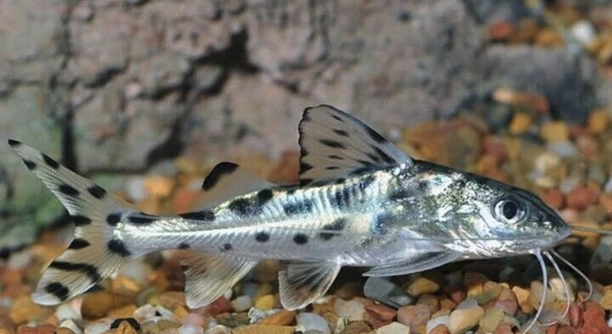
Is your Pictus Catfish showing unusual behavior or looking less lively? Overfeeding is a common issue that can affect their health and water quality. Recognizing the signs early helps keep your fish happy and your aquarium balanced.
Overfeeding Pictus Catfish leads to symptoms such as bloating, lethargy, and poor water conditions. Excess food causes digestive problems and increases waste, which deteriorates water quality, creating a harmful environment for the fish. Proper feeding control is essential for their well-being.
Knowing how to spot these signs can protect your catfish and improve your aquarium care routine. This guide will help you understand the key indicators of overfeeding and how to adjust feeding habits effectively.
Common Signs Your Pictus Catfish Is Overfed
When a Pictus Catfish is overfed, several clear signs may appear. You might notice your fish looking bloated or swollen, especially around the stomach area. They may also become less active and seem lethargic, spending more time resting on the bottom of the tank than swimming around. Uneaten food that sinks to the bottom can quickly decay, clouding the water and causing an unpleasant smell. This leftover food also attracts unwanted bacteria and can lead to poor water quality. Over time, poor water conditions stress the fish and increase the risk of diseases. Monitoring your catfish’s behavior and tank cleanliness helps catch overfeeding early. Regular observation and adjusting feeding amounts can prevent these issues and promote a healthier environment for your fish.
Overfeeding often causes digestive troubles and can lead to constipation in Pictus Catfish. Proper portion control is key to avoiding these problems.
Keeping your tank clean and feeding only what your fish can consume in a few minutes will improve their health and your aquarium’s balance.
How to Adjust Feeding Habits
It is important to feed your Pictus Catfish smaller amounts more frequently rather than one large meal. This method mimics their natural feeding habits and reduces waste. Use a measuring spoon or feeding tool to control portions and avoid guessing. Observe how much your fish eat in about two minutes and remove any uneaten food promptly. If your catfish seems eager for food, resist the temptation to overfeed by offering treats occasionally rather than regular extra portions. Over time, adjust feeding based on their size, age, and activity level. Feeding less often but consistently helps maintain good water quality and supports healthy digestion. Balancing their diet with occasional live or frozen foods can add variety and promote better nutrition. This approach will contribute to your catfish’s long-term well-being and tank cleanliness.
Preventing Overfeeding in Pictus Catfish
Avoid feeding your catfish more than they can eat in two to three minutes. Smaller, controlled portions reduce waste and keep the tank clean. Consistency in feeding times helps maintain their health and prevents overfeeding.
Using a feeding schedule is an effective way to control portions and avoid guessing. Pictus Catfish usually do well with two small feedings per day. Observe their behavior and adjust portions if you see leftover food or bloating. Remove uneaten food promptly to maintain water quality. Feeding varied diets, including sinking pellets and occasional live food, encourages natural feeding habits without overfeeding.
Overfeeding leads to excess waste that can harm your tank’s environment. A good cleaning routine combined with careful feeding will help keep your aquarium balanced. Monitor water parameters regularly and perform partial water changes to manage waste buildup caused by overfeeding. This proactive care supports your catfish’s health and your aquarium’s clarity.
Monitoring Your Aquarium’s Health
Regular water testing helps detect issues caused by overfeeding, such as high ammonia or nitrate levels. These substances are toxic to fish and signal poor water quality. Keeping parameters within safe limits protects your catfish.
Keeping a clean aquarium is crucial for your Pictus Catfish’s health. Overfeeding increases waste, leading to harmful bacteria and algae growth. A weekly water change of 20-30% can help maintain water quality and reduce toxins. Use a gravel vacuum to remove leftover food and debris from the substrate. Clean filters regularly but avoid over-cleaning to preserve beneficial bacteria. By combining proper feeding with routine maintenance, you create a healthy environment where your catfish can thrive.
Adjusting Diet for Better Health
Reducing the amount of food given at each feeding helps prevent bloating and digestive issues. Smaller portions encourage your catfish to eat what they need without leftover waste.
Incorporating a variety of foods, like sinking pellets and occasional frozen or live treats, supports balanced nutrition. Variety keeps your catfish interested and promotes better overall health.
Signs of Water Quality Decline
Cloudy water, strong odors, and increased algae growth are common signs that overfeeding is affecting your tank’s health. These issues indicate excess waste and nutrient buildup.
Using Feeding Tools
Measuring spoons or automatic feeders help control portion sizes accurately. These tools reduce the risk of overfeeding and maintain a stable feeding routine.
FAQ
How often should I feed my Pictus Catfish?
Feeding your Pictus Catfish twice a day is usually sufficient. Give small amounts that they can finish within two to three minutes. This prevents leftover food that can pollute the tank and cause health problems. Adjust portions based on their size and activity.
What happens if I accidentally overfeed my catfish once?
A single overfeeding event usually won’t cause long-term harm if you act quickly. Remove any uneaten food promptly and monitor your fish for signs of distress like bloating or lethargy. Perform a partial water change to reduce toxins and keep the environment healthy.
Can overfeeding cause diseases in Pictus Catfish?
Yes, overfeeding can lead to poor water quality, which encourages harmful bacteria and parasites. This increases the risk of infections such as fin rot or internal parasites. Maintaining a balanced feeding routine and clean tank minimizes these risks.
How can I tell if my Pictus Catfish is constipated?
Constipation shows as bloating and difficulty swimming. Your catfish may strain or pass fewer waste particles. It can happen due to overfeeding or poor diet. To help, reduce feeding amounts and offer high-fiber foods like blanched peas.
Is it okay to feed live food regularly?
Live food can be healthy but should be given occasionally rather than daily. It adds variety and nutrients, but too much can cause overeating and water pollution. Balance live food with quality sinking pellets for the best diet.
What is the best type of food for Pictus Catfish?
Sinking pellets designed for bottom feeders are ideal. They allow your catfish to eat naturally on the tank floor. Supplement with frozen or live foods like bloodworms or brine shrimp to provide protein and variety.
How do I reduce leftover food in the tank?
Feed smaller portions and watch how quickly your catfish eats. Remove any uneaten food within five minutes. Using feeding tools like spoons or automatic feeders helps control the amount given. Regular tank cleaning also prevents buildup.
Can stress from overfeeding affect my catfish’s behavior?
Yes, stress caused by digestive issues or poor water quality can make your catfish less active and hide more. Stress weakens their immune system, making them more vulnerable to illness. Proper feeding and tank care reduce stress and support natural behavior.
Should I fast my catfish sometimes?
Occasional fasting, such as one day a week without feeding, can help clear the digestive system and prevent bloating. It mimics natural periods without food and promotes better digestion. Do not fast for too long, especially with younger or smaller fish.
How do I maintain water quality when feeding regularly?
Perform regular partial water changes to remove waste and toxins. Use a gravel vacuum to clean debris from the substrate. Keep filters clean but avoid over-cleaning to preserve beneficial bacteria. Monitoring water parameters helps catch issues early and maintain a healthy tank environment.
What signs indicate my Pictus Catfish is healthy?
A healthy Pictus Catfish is active, swims smoothly, and has clear eyes. Their belly is not swollen, and they eat food quickly but without overeating. Water clarity and low odor also suggest a healthy environment.
Can overfeeding cause algae problems?
Yes, excess food breaks down and releases nutrients like nitrates and phosphates, which algae use to grow. Overfeeding can lead to algae blooms, clouding water and competing with fish for oxygen. Controlling feeding and cleaning the tank helps prevent this.
Is it necessary to adjust feeding in a community tank?
Yes, feeding amounts should be balanced for all species in the tank. Overfeeding to satisfy one fish may harm others. Observe all fish behavior and distribute food carefully to avoid leftovers and maintain water quality.
How quickly should my catfish finish their food?
Pictus Catfish generally eat food within two to three minutes. If food remains longer, it likely means you fed too much. Feeding smaller amounts more frequently keeps the tank cleaner and your fish healthier.
What are good indicators that I’m feeding the right amount?
No leftover food remains, your catfish stays active and healthy, and water quality remains stable. Fish behavior and tank cleanliness are reliable signs that feeding is properly balanced.
Can overfeeding shorten the life of my catfish?
Yes, chronic overfeeding stresses the fish and worsens water quality, which can lead to illness and a shorter lifespan. Feeding controlled portions and keeping the tank clean are important for long-term health.
How to encourage my catfish to eat less?
Feed smaller portions and remove uneaten food quickly. Try feeding more often in smaller amounts to reduce hunger without overfeeding. Avoid feeding snacks or extra treats outside regular meals.
Is feeding frozen food safer than live food?
Frozen foods are safer because they reduce the risk of introducing parasites or diseases. They also allow portion control and are easier to store. Live food should be sourced carefully and given occasionally.
What should I do if my catfish refuses to eat?
Check water quality and tank conditions first. Stress or illness can cause loss of appetite. Try offering different foods like frozen bloodworms or pellets. If the problem continues, consult a specialist.
How important is a varied diet for Pictus Catfish?
A varied diet provides essential nutrients and prevents boredom. Combining pellets, frozen, and occasional live food supports their health and natural feeding behavior.
Are automatic feeders useful for Pictus Catfish?
Yes, automatic feeders help control feeding amounts and maintain consistent schedules. They reduce the risk of overfeeding, especially if you are away from home.
Can overfeeding cause obesity in catfish?
Pictus Catfish can become overweight if consistently overfed, leading to health problems like fatty liver disease. Controlled portions and regular observation prevent obesity.
How does temperature affect feeding needs?
Higher temperatures increase metabolism, so your catfish may eat more. Cooler water lowers appetite. Adjust feeding amounts seasonally based on tank temperature and fish activity.
What is the best way to clean the tank after overfeeding?
Perform a partial water change, vacuum the substrate, and clean filter media lightly. Removing waste and uneaten food quickly restores water quality and reduces toxin buildup.
Should I remove food manually if my catfish doesn’t eat it?
Yes, removing uneaten food prevents decay and water pollution. Use a net or siphon to take out leftovers within minutes after feeding.
How long can Pictus Catfish survive without food?
They can survive several days without food but should not be starved. Short fasting periods can be healthy, but extended lack of food causes stress and weakness.
Does overfeeding affect breeding behavior?
Overfeeding can stress fish and degrade water quality, which may reduce breeding activity. Maintaining proper diet and tank conditions encourages healthy reproduction.
Are there specific feeding habits for young vs. adult Pictus Catfish?
Young catfish need smaller, more frequent feedings to support growth. Adults require less frequent, balanced meals. Adjust feeding routines as they mature to prevent overfeeding.
When caring for Pictus Catfish, feeding them the right amount is essential for their health and the overall condition of your aquarium. Overfeeding is a common issue that can lead to many problems, such as poor water quality, digestive troubles, and stress for the fish. Paying attention to how much food you give and how often you feed helps prevent these problems. By feeding small portions that your catfish can finish quickly, you reduce leftover food in the tank, which keeps the water cleaner and safer for your fish.
Maintaining a good feeding routine also means watching your fish closely for any signs of overfeeding. Symptoms like bloating, lethargy, or leftover food in the tank should alert you to adjust the portions. It’s also important to clean the aquarium regularly and monitor water quality to avoid harmful conditions caused by excess waste. Using tools like feeding spoons or automatic feeders can help control the amount of food and ensure your catfish get the right portions without overfeeding. Feeding a varied diet with sinking pellets and occasional live or frozen food supports their nutrition while keeping them interested in their meals.
Overall, feeding your Pictus Catfish responsibly is key to a healthy and balanced aquarium. Taking the time to observe your fish and adjust feeding habits prevents many common problems. Good aquarium care includes not only proper feeding but also regular maintenance like water changes and cleaning. By following these simple steps, you help your catfish live a longer, healthier life and keep your aquarium environment stable and enjoyable. This balance benefits both your fish and your experience as an aquarium keeper.

Hello,
If you enjoy the content that we create, please consider saying a "Thank You!" by leaving a tip.
Every little bit helps us continue crafting quality advice that supports the health, happiness, and well-being of pets around the world, for pets of all shapes, sizes, and species.
We really appreciate the kindness and support that you show us!