
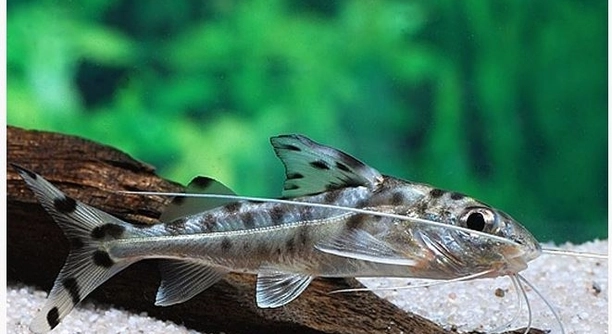
Pictus catfish are popular freshwater fish known for their unique patterns and peaceful nature. Encouraging their daytime activity can improve their health and overall well-being. Many fish owners seek effective ways to promote natural behaviors in their tanks.
Increasing daytime activity in Pictus involves adjusting environmental factors such as lighting, tank layout, and feeding routines. Providing hiding spots, moderate water flow, and varied diet also stimulates natural movement and exploration. These methods help maintain healthy and active fish.
Improving your Pictus catfish’s daily habits benefits both the fish and your aquarium’s ecosystem. The following tips will help create a more engaging and lively environment for your Pictus.
Adjust Lighting to Mimic Natural Conditions
Lighting plays a crucial role in the behavior of Pictus catfish. These fish are naturally more active during low light periods, such as dawn and dusk. Bright lighting can cause them to hide and become less active during the day. To encourage daytime activity, it is important to provide a lighting schedule that mimics their natural environment. Using dimmable LED lights or creating shaded areas in the tank can help. Avoid sudden changes in lighting, as this can stress the fish and reduce movement. Gradually increasing light intensity in the morning and decreasing it in the evening can stimulate natural activity patterns. Keeping the tank in a room with indirect sunlight also helps maintain consistent lighting without overwhelming the fish.
In addition to adjusting light intensity, using a timer can automate the lighting cycle. This keeps the environment stable and predictable, which supports regular activity in Pictus catfish.
By managing the lighting conditions carefully, you can create an environment that encourages your Pictus catfish to be more active and explore during the daytime. Consistent light patterns make a significant difference in their behavior and overall health.
Provide Hiding Spots and Open Swimming Areas
Creating a balance between hiding spots and open swimming areas is essential for encouraging activity in Pictus catfish. These fish need places to retreat when they feel threatened, but they also require enough open space to swim freely. Using plants, rocks, and driftwood can create natural shelters. Avoid overcrowding the tank with too many decorations, as this limits swimming space and can reduce movement. Arrange hiding spots along the tank edges while leaving the center open for swimming. This layout encourages Pictus catfish to venture out during the day while having safe areas nearby.
Proper tank arrangement supports natural behaviors and reduces stress, which in turn increases daytime activity.
Providing a well-balanced environment with adequate hiding places and open areas encourages Pictus catfish to be more confident and active. When they feel secure, they explore more, swim longer distances, and display their natural curiosity. It is important to regularly clean and maintain these areas to prevent buildup of debris or algae. This keeps the tank healthy and inviting for your fish. Observing your catfish’s preferred hiding spots can also help you adjust decorations to better suit their needs. Over time, you will notice more frequent movement and interaction as your fish adapt to the tank layout. This combination of security and freedom is key to promoting healthy daytime activity in Pictus catfish.
Use Moderate Water Flow
Pictus catfish prefer moderate water flow, which encourages their natural swimming behavior. Too strong a current can tire them out, while stagnant water reduces their activity.
Moderate water movement stimulates Pictus catfish to swim actively, as it mimics the flowing streams they inhabit in the wild. Using an adjustable filter or a gentle powerhead can create the right flow. Proper circulation also helps distribute oxygen evenly, supporting overall fish health. Avoid placing the filter outlet directly in front of resting spots, as strong currents may discourage the fish from spending time in those areas. Finding the balance in water flow improves their energy levels and natural movements.
Consistent moderate flow encourages more frequent and longer swims. It also helps prevent buildup of debris and promotes a cleaner tank environment. This dynamic setting supports both physical exercise and mental stimulation for your Pictus catfish, contributing to their daytime activity.
Offer a Varied Diet
Providing a varied diet is essential for keeping Pictus catfish energetic and healthy. Feeding only one type of food can cause boredom and reduce their willingness to move around in search of meals. Including live, frozen, and pellet foods offers balanced nutrition. This variety also encourages natural foraging behavior, stimulating activity. Pictus catfish enjoy small insects, bloodworms, and sinking pellets, which keep them engaged during feeding times.
A varied diet not only improves their physical health but also supports mental alertness. Regularly changing food types or introducing occasional treats keeps their interest alive. Feeding smaller amounts multiple times a day mimics their natural eating habits and encourages movement as they search for food.
Additionally, scattering food across the tank rather than placing it all in one spot promotes exploration and activity. This simple change encourages Pictus catfish to swim and forage actively throughout the day. A thoughtful feeding routine plays a key role in maintaining lively and healthy fish.
Maintain Stable Water Temperature
Pictus catfish thrive in stable water temperatures between 74°F and 79°F. Sudden temperature changes can stress them and reduce activity levels.
Using a reliable heater and thermometer helps keep the tank temperature consistent. Regular monitoring prevents fluctuations that may cause discomfort or illness.
Increase Tank Size When Possible
Larger tanks provide more space for swimming and exploration, which naturally encourages daytime activity. A minimum of 30 gallons is recommended for Pictus catfish to move comfortably.
More space allows for better placement of decorations and open areas, supporting varied behaviors and reducing stress.
Keep the Tank Clean
Regular cleaning helps maintain water quality, which directly affects the fish’s health and activity. Removing waste and debris prevents harmful toxin buildup.
Clean water supports better oxygen levels and clearer visibility, encouraging Pictus catfish to be more active during the day.
How often should I feed my Pictus catfish to encourage daytime activity?
Feeding your Pictus catfish small amounts two to three times daily works best. Frequent feeding mimics their natural habits and keeps them moving as they search for food. Avoid overfeeding, as excess food can foul the tank and reduce water quality, which negatively affects activity. Spreading out meals also helps maintain steady energy levels throughout the day. By offering varied foods like sinking pellets, live or frozen bloodworms, and occasional vegetable matter, you encourage natural foraging behavior, stimulating more movement.
What is the ideal tank size to support active Pictus catfish?
A tank of at least 30 gallons is recommended for Pictus catfish. These fish grow fairly large and require enough swimming space to stay active. Larger tanks provide room to establish a natural environment with both hiding spots and open swimming areas. Crowded or small tanks can stress the fish and limit movement, causing them to hide more often. A spacious tank also helps maintain stable water conditions, further supporting healthy activity patterns. Regular tank maintenance and careful decoration placement are important to keep the environment stimulating and safe.
Can changing the lighting schedule improve Pictus daytime activity?
Yes, adjusting the lighting schedule to simulate dawn and dusk can encourage natural activity rhythms. Pictus catfish tend to be more active in low light conditions, so gradually increasing and decreasing light intensity helps them feel comfortable exploring during the day. Using dimmable LED lights or creating shaded tank zones prevents excessive brightness, which might cause the fish to hide. Consistent lighting patterns reduce stress and promote a balanced sleep-wake cycle, resulting in more daytime movement. Automating the lighting with a timer ensures regularity and helps maintain fish well-being.
How important is water flow for Pictus catfish activity?
Water flow is very important for Pictus catfish as it simulates their natural riverine habitats. Moderate water movement encourages swimming and exercise, while stagnant or very strong currents can limit activity or tire the fish. An adjustable filter or gentle powerhead can create an ideal flow that promotes healthy behavior. Proper circulation also distributes oxygen evenly, which supports metabolic function and alertness. Avoid directing strong currents at hiding spots to ensure the fish feel secure. Balanced water flow encourages natural movement and reduces stress.
What types of hiding spots are best for encouraging activity?
Natural decorations like driftwood, rocks, and live or artificial plants create effective hiding spots for Pictus catfish. These provide shelter and security, allowing the fish to feel safe while resting. It is important to balance hiding areas with open swimming spaces to encourage exploration. Too many decorations can restrict movement, while too few may cause stress. Position hiding spots mostly near the tank edges, leaving the center open. Regularly clean and rearrange decorations if needed to maintain interest. Safe, well-placed shelters promote confidence and increase daytime activity.
Does water temperature affect daytime activity?
Stable water temperatures between 74°F and 79°F are ideal for Pictus catfish activity. Sudden fluctuations can cause stress, leading to reduced movement or hiding. Using a reliable heater and thermometer helps maintain consistent temperature, which supports metabolic processes and natural behaviors. Cooler water slows activity, while too warm water can cause discomfort and health issues. Regular monitoring and gradual adjustments prevent temperature shocks. Keeping water temperature stable encourages regular swimming and interaction with the environment during the day.
How can I encourage my Pictus catfish to explore more?
Encouraging exploration involves creating a stimulating tank environment with varied terrain. Providing a mix of open spaces and hiding spots, moderate water flow, and varied lighting helps the fish feel secure and curious. Scattering food around the tank instead of placing it in one spot encourages foraging and movement. Changing tank decorations occasionally or adding new plants can also spark interest. Maintaining water quality and stable conditions ensures the fish remain healthy and energetic. These combined efforts foster natural exploration and more frequent daytime activity.
What signs show my Pictus catfish are active and healthy?
Active Pictus catfish will swim steadily around the tank, exploring both open areas and hiding spots. They respond to feeding times by moving toward food sources and display natural foraging behavior. Bright eyes, smooth fins, and a clean body are physical signs of health. Avoidance of excessive hiding or lethargy indicates comfort. Consistent activity during low light periods also shows normal behavior. Regular water testing and tank maintenance support their well-being. Noticing these signs helps confirm that your care methods effectively promote daytime activity.
Encouraging daytime activity in Pictus catfish involves several practical steps that focus on creating a comfortable and natural environment. Adjusting factors like lighting, water flow, tank size, and temperature helps simulate the conditions they experience in the wild. Providing balanced hiding spots and open swimming areas ensures that the fish feel secure while having enough room to move freely. Feeding a varied diet multiple times a day encourages natural foraging and keeps the fish engaged. These actions together support their physical health and natural behavior, making them more active and lively during the day.
Maintaining clean water and stable conditions is also important for supporting daytime activity in Pictus catfish. Regular tank cleaning and water changes prevent harmful toxins from building up and affecting their health. Keeping the water temperature stable helps avoid stress, which can cause the fish to hide or become lethargic. Using equipment like reliable heaters, filters, and timers for lighting ensures a consistent environment that promotes regular activity patterns. When these factors are carefully managed, Pictus catfish tend to swim more, explore their surroundings, and display healthier behavior overall.
Focusing on these simple but effective care practices can improve the well-being of Pictus catfish and make your aquarium more enjoyable to watch. By paying attention to their natural needs and behaviors, you create a space that encourages activity and reduces stress. This not only benefits the fish but also enhances the overall balance and appearance of your tank. Small changes in environment and routine can lead to significant improvements in how your Pictus catfish behave during the day, contributing to a healthier and more vibrant aquarium community.

Hello,
If you enjoy the content that we create, please consider saying a "Thank You!" by leaving a tip.
Every little bit helps us continue crafting quality advice that supports the health, happiness, and well-being of pets around the world, for pets of all shapes, sizes, and species.
We really appreciate the kindness and support that you show us!