
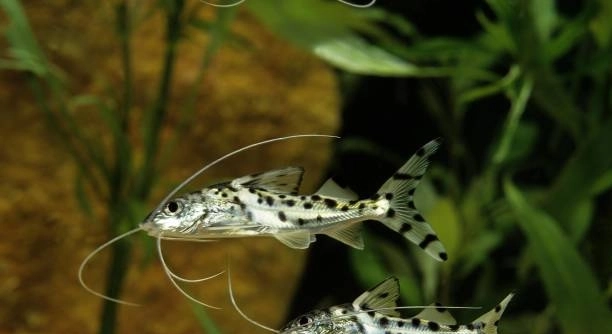
Keeping a Pictus Catfish tank healthy requires proper space management. Overcrowding can cause stress and health issues for these active fish. Recognizing the signs of a crowded tank helps maintain a balanced and comfortable environment for your aquatic pets.
Overcrowding in a Pictus Catfish tank leads to increased competition for oxygen, limited swimming space, and higher waste accumulation. These conditions cause stress, illness, and can reduce the lifespan of the fish. Maintaining appropriate stocking levels is essential for their well-being.
Identifying overcrowding early ensures your catfish stay healthy and active. This article highlights key indicators to help you maintain a suitable tank environment.
Limited Swimming Space
Pictus Catfish are active swimmers who need plenty of room to move around. When a tank is overcrowded, their swimming space becomes restricted. This limitation can cause frustration and stress, which affects their overall health. Fish may become more aggressive or hide more often when they feel cramped. Additionally, the lack of space reduces their ability to exercise properly, which is important for muscle development and general well-being. Over time, this can lead to weaker immune systems and higher susceptibility to disease. Ensuring enough room in the tank supports natural behavior and helps maintain calm among the fish.
When swimming space is limited, fish may show signs of restlessness or aggression.
A crowded tank often leads to fish bumping into each other or the tank walls. This physical stress damages their fins and scales, creating entry points for infections. Lack of exercise can reduce their strength and vitality. Providing adequate swimming space improves their quality of life and prevents many health problems linked to overcrowding.
Poor Water Quality
Poor water quality often results from overcrowding, as more fish produce more waste. Waste buildup increases ammonia and nitrite levels, which are harmful to Pictus Catfish. These toxins cause stress, gill damage, and can lead to fatal diseases if not addressed quickly. Inadequate filtration or infrequent water changes worsen the problem, making it harder to maintain a healthy tank environment. Regular monitoring and maintenance are crucial to keeping water safe and clean. When water quality drops, fish may become lethargic, lose appetite, or show abnormal breathing patterns. Preventing overcrowding reduces waste load and helps maintain water quality, supporting the fish’s health and longevity.
Increased Aggression
When a tank is too crowded, Pictus Catfish often become more aggressive. They compete for limited space and resources, which can lead to fights and stress.
Aggression increases because each fish feels threatened by others invading its territory. In a cramped tank, there is less room to escape or establish personal space. This tension causes frequent chasing, fin nipping, and sometimes injury. The social harmony of the group breaks down, and the fish spend more time defending themselves than resting or feeding properly. This behavior affects their overall health and can lead to long-term stress-related problems.
Aggressive behavior also makes it harder for shy or weaker fish to thrive. They may hide excessively or lose access to food. Managing tank population helps reduce stress and keeps aggression levels low. Giving Pictus Catfish enough space supports a peaceful and healthy environment.
Reduced Oxygen Levels
Overcrowded tanks have reduced oxygen availability. More fish consume oxygen faster than it can be replenished, especially in tanks without strong aeration or filtration. Low oxygen can cause gasping, lethargy, and poor health in Pictus Catfish.
To maintain proper oxygen levels, regular water changes and good filtration are essential. Adding air stones or increasing water surface agitation helps oxygenate the tank. Crowded tanks also trap waste, which further reduces water quality and oxygen balance. Ensuring your tank is not overstocked allows oxygen levels to remain stable and supports active, healthy fish. Keeping these conditions in check is vital for the well-being of your Pictus Catfish and prevents many common health issues related to oxygen deprivation.
Stunted Growth
Overcrowding limits the resources each Pictus Catfish receives, which can stunt their growth. Limited food and space cause weaker development over time.
When fish grow slowly or appear smaller than usual, it often signals stress from competition. Stunted growth also lowers their ability to fight off illness and reduces overall vitality.
Frequent Disease Outbreaks
Crowded tanks create ideal conditions for disease spread. Close contact and poor water quality increase infection risks among Pictus Catfish. Parasites, bacterial infections, and fungal diseases become common. Regular tank maintenance and reducing overcrowding are critical to disease prevention. Healthy spacing allows fish to build stronger immune responses and recover faster if illness occurs.
Excess Waste Build-Up
More fish produce more waste, which overwhelms filtration systems quickly. Excess waste affects water quality, making the tank unhealthy.
FAQ
How many Pictus Catfish can I keep in one tank?
The number depends on your tank size. A general rule is one Pictus Catfish per 10 gallons of water. This provides enough space for swimming and reduces stress. Larger tanks can hold more fish, but always consider filtration capacity and oxygen levels.
What happens if I overcrowd my Pictus Catfish tank?
Overcrowding causes stress, aggression, poor water quality, and disease outbreaks. Fish may stop eating properly or hide more. Their growth can slow down, and they become more vulnerable to infections. Maintaining proper stocking prevents these issues and promotes healthier fish.
How can I tell if my tank is overcrowded?
Signs include limited swimming space, increased aggression, frequent disease, poor water quality, and stressed behavior like hiding or gasping. Fish may have torn fins or show stunted growth. Monitoring these signs helps catch overcrowding early.
Can adding more filtration solve overcrowding problems?
While better filtration improves water quality, it does not replace the need for proper space. Overcrowding causes stress and behavioral issues that filtration alone cannot fix. Filtration supports health but does not solve limited swimming space or aggression.
Is water quality the biggest concern in a crowded tank?
Water quality is critical because waste builds up faster with more fish. High ammonia and nitrite levels harm Pictus Catfish quickly. However, space and oxygen are equally important. All these factors together affect fish health.
What should I do if my tank is overcrowded?
The best solution is to reduce the number of fish or upgrade to a larger tank. Improving filtration and performing frequent water changes also help. Adjusting decorations to create more space can ease tension but does not replace tank size.
Can Pictus Catfish live with other fish if the tank is crowded?
Mixing species in a crowded tank increases competition for resources and stress. It’s better to keep compatible fish with enough space. Overcrowding combined with mixed species often leads to aggression and health issues.
How often should I clean the tank to avoid overcrowding effects?
In a crowded tank, more frequent cleaning is necessary. Weekly water changes of 20-30% and regular gravel vacuuming help remove waste. Maintaining a clean environment supports fish health despite higher stocking levels.
Are there behavioral changes to watch for in overcrowded tanks?
Yes, watch for aggression, hiding, gasping at the surface, or erratic swimming. These signs indicate stress from overcrowding or poor conditions. Early detection allows corrective steps before serious health problems develop.
Does overcrowding affect Pictus Catfish breeding?
Overcrowding usually prevents breeding because stress lowers reproductive behaviors. Fish need calm, spacious environments to mate and care for eggs. Providing enough room increases the chances of successful breeding.
Can overcrowding cause Pictus Catfish to die suddenly?
Yes, stress, poor water quality, and infections caused by overcrowding can lead to sudden deaths. Keeping fish numbers within recommended limits and maintaining water quality reduces these risks.
What is the ideal tank size for a small group of Pictus Catfish?
A 30-gallon tank is ideal for about three Pictus Catfish. This size provides space for swimming, hiding, and reduces competition. Always adjust stocking based on tank setup and filtration.
How important is aeration in preventing overcrowding problems?
Aeration helps maintain oxygen levels, which drop quickly in crowded tanks. Adding air stones or powerheads improves oxygen circulation and reduces stress on fish. It’s a useful tool but should be combined with proper stocking.
Can plants help with overcrowded tanks?
Plants improve water quality by absorbing nitrates and providing hiding spots. They help reduce stress but do not solve space limitations. Live plants can make a tank feel less crowded but do not replace the need for proper stocking.
What’s the best way to introduce new Pictus Catfish without overcrowding?
Plan your tank size and current stocking before adding fish. Quarantine new fish and gradually introduce them. Avoid adding too many at once. Monitor fish behavior to ensure the group remains peaceful.
How do I balance fish numbers and tank decorations?
Decorations provide hiding places but reduce swimming space. Balance is key—avoid overcrowding with too many decorations. Leave enough open areas for swimming, especially for active fish like Pictus Catfish.
This FAQ covers many common concerns about overcrowding in Pictus Catfish tanks. Following these guidelines helps maintain a healthy, happy aquarium environment.
Final Thoughts
Keeping a Pictus Catfish tank at the right population level is important for the health of your fish. Overcrowding causes many problems, from poor water quality to stress and disease. These issues can shorten the life of your catfish and affect their behavior. By paying attention to the number of fish and the size of the tank, you can create a comfortable environment that supports their natural activity and well-being. Proper space also reduces aggression and allows fish to grow and stay strong.
Managing the tank involves more than just limiting the number of fish. Regular maintenance, including water changes and monitoring water quality, plays a key role. Using a good filtration system helps remove waste and keep ammonia and nitrite levels low. Adding aeration improves oxygen supply, especially in tanks with more fish. Watching your catfish closely for signs of stress or illness helps catch problems early before they become serious. Taking these steps together creates a stable, healthy habitat where your Pictus Catfish can thrive.
Remember that every tank and group of fish is different. What works for one setup might need adjusting in another. It is important to observe how your fish behave and respond to their environment. If you notice signs of overcrowding, taking action quickly makes a big difference. Whether it means reducing fish numbers, upgrading to a larger tank, or improving filtration, these changes will support your fish’s long-term health. Careful management ensures that your Pictus Catfish live happily and actively, allowing you to enjoy their lively presence for years to come.

Hello,
If you enjoy the content that we create, please consider saying a "Thank You!" by leaving a tip.
Every little bit helps us continue crafting quality advice that supports the health, happiness, and well-being of pets around the world, for pets of all shapes, sizes, and species.
We really appreciate the kindness and support that you show us!