
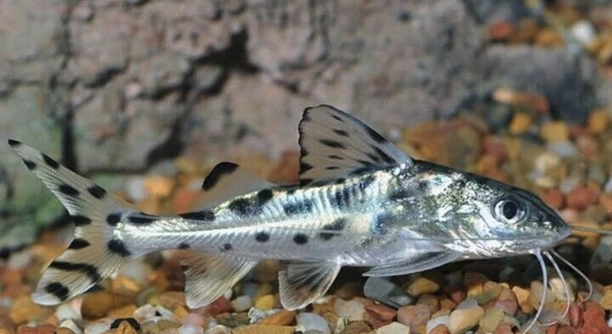
Keeping a solo Pictus catfish happy requires understanding its natural needs and behaviors. These fish thrive best when their environment closely matches their native habitat. Proper care helps maintain their health and encourages natural activity in the tank.
Ensuring a Pictus catfish’s well-being involves providing ample swimming space, stable water conditions, suitable hiding spots, a balanced diet, and minimal tank mates. Attention to these factors supports the fish’s natural behavior and reduces stress in solitary settings.
The following guide covers practical ways to create a comfortable and stimulating home for your Pictus catfish, ensuring its happiness when kept alone.
Provide Plenty of Swimming Space
Pictus catfish are active swimmers that need enough room to move freely. A tank size of at least 30 gallons is recommended for a single Pictus. Crowded conditions can cause stress and limit their natural behavior. Open areas allow them to explore and exercise, which is essential for their health. Avoid placing too many decorations or plants in the swimming area. Instead, position hiding spots along the edges of the tank, so the middle remains clear. This arrangement supports both activity and a sense of security. Regular tank maintenance is important to keep water conditions stable and clean, as poor water quality can discourage swimming and increase stress levels. Keeping the environment spacious and well-maintained helps your catfish stay energetic and comfortable in its habitat.
A spacious tank supports natural swimming and reduces stress, which is critical for a Pictus catfish’s overall well-being.
A large, open swimming area simulates the Pictus catfish’s natural river environment. This space encourages exercise, reduces territorial disputes, and helps maintain muscle tone. Clear swimming zones also improve oxygen circulation throughout the tank. Without enough room, the fish can become lethargic or hide excessively, which may signal distress. Balancing open water with hiding spots creates a secure, comfortable environment where your catfish can display normal behaviors. This balance is essential for a solitary Pictus catfish, as it helps prevent boredom and promotes physical health.
Maintain Stable Water Conditions
Stable water parameters are crucial for a solo Pictus catfish. Sudden changes in temperature or pH can cause stress and illness. Aim for a temperature between 75°F and 82°F, and keep the pH level around 6.5 to 7.5. Regular water testing is necessary to monitor these values. Changing 20% of the water weekly helps maintain cleanliness and stability. Avoid overcrowding the tank, which can lead to fluctuating water quality and increased waste buildup. Using a good filter and aeration system will help keep oxygen levels adequate. Stable conditions allow your catfish to thrive and reduce the risk of disease.
Keeping water parameters consistent supports the health and comfort of a Pictus catfish living alone.
Proper water maintenance requires attention to temperature, pH, and cleanliness. Pictus catfish come from rivers with steady conditions, so replicating this stability is vital. Inconsistent water can cause stress, which weakens the immune system and increases susceptibility to infections. Filtration removes harmful waste, while aeration ensures sufficient oxygen. Regular water changes prevent toxin buildup and keep the environment fresh. Monitoring these factors regularly helps detect problems early and maintain a healthy habitat for your catfish. Prioritizing water stability improves the fish’s mood and longevity, especially when housed alone without companions.
Offer Suitable Hiding Places
Pictus catfish need secure hiding spots to feel safe and reduce stress. Use caves, driftwood, or dense plants to create these areas. Position them away from the main swimming space to maintain open areas.
Hiding places help the fish retreat when feeling threatened or resting. These spots should be large enough for the catfish to enter comfortably but not overcrowded with decorations. Natural materials like smooth rocks or wood provide a more authentic environment, which supports natural behavior. A well-placed hiding spot reduces anxiety and encourages your Pictus to explore more freely in the rest of the tank.
Changing the location of hiding spots occasionally can stimulate the fish’s curiosity and reduce boredom. While the catfish spends time in open areas, it also benefits from having secure retreats to balance its activity with rest. This balance is especially important for a solo Pictus catfish, which relies on its environment for safety.
Feed a Balanced Diet
Feeding your Pictus catfish a varied diet ensures it receives all necessary nutrients. Include sinking pellets, live or frozen foods, and occasional vegetables.
A balanced diet promotes healthy growth and brightens the fish’s coloration. Sinking pellets are a convenient staple because Pictus catfish feed near the bottom. Live or frozen foods such as bloodworms or brine shrimp provide protein and mimic natural prey. Offering small amounts of vegetables like blanched zucchini supports digestion and adds variety. Avoid overfeeding to prevent water quality issues, which can stress your catfish.
Consistency in feeding times helps establish a routine, reducing stress. Observing how much your catfish eats will help adjust portions and avoid leftover food, which can foul the tank. Maintaining this diet supports your catfish’s long-term health and energy, especially when living alone.
Avoid Aggressive Tank Mates
Pictus catfish are peaceful but can become stressed by aggressive fish. Keep them with calm species to maintain harmony.
Aggressive tank mates may nip fins or chase your catfish, causing stress or injury. A peaceful community tank helps your Pictus feel secure and behave naturally.
Keep the Tank Dimly Lit
Bright lighting can stress Pictus catfish. Use subdued lighting to mimic their natural habitat.
Dim lighting reduces stress and encourages natural activity patterns. It also helps the catfish feel safer, promoting comfort and exploration.
Regularly Monitor Health
Watch for signs of illness or stress like changes in behavior or appearance. Early detection helps prevent serious problems.
Regular observation allows prompt action if your catfish shows symptoms such as dull color, lethargy, or damaged fins. Maintaining good water quality and diet supports overall health.
Is a solo Pictus catfish lonely without tank mates?
Pictus catfish are naturally semi-social but can live happily alone if their environment meets their needs. They don’t require companions to thrive, as long as they have enough space, hiding spots, and stable water conditions. Stress from loneliness is uncommon if their habitat is comfortable.
How often should I feed my Pictus catfish?
Feed your Pictus catfish once or twice daily with amounts they can consume within a few minutes. Overfeeding can pollute the tank and harm water quality. Monitor their eating habits to adjust portions and avoid leftover food.
What is the best tank size for a single Pictus catfish?
A minimum of 30 gallons is recommended to provide enough swimming space. Larger tanks are better for stability and comfort. Space allows natural activity and reduces stress.
Can Pictus catfish tolerate different water temperatures?
They prefer temperatures between 75°F and 82°F. Sudden fluctuations outside this range may cause stress or illness. Keeping the water stable within this range supports their health.
What type of substrate is best for a Pictus catfish?
Smooth sand or fine gravel is ideal to protect their delicate barbels. Rough substrates can cause injury or infections. Sand also mimics their natural riverbed environment.
Are Pictus catfish nocturnal?
They are more active during low light, especially at dawn and dusk, but can be active throughout the day if they feel safe. Dim lighting encourages natural behavior.
How do I know if my Pictus catfish is healthy?
Look for clear eyes, smooth fins, vibrant coloration, and normal swimming behavior. Changes in appetite, hiding excessively, or visible injuries can signal health issues. Regular tank maintenance supports overall health.
Can Pictus catfish live with other fish?
Yes, but tank mates should be peaceful and similar in size. Avoid aggressive or overly territorial species that may harass or stress the catfish. Suitable companions help maintain a calm tank environment.
What should I do if my Pictus catfish hides all the time?
Hiding is normal if they feel stressed or need rest. Ensure the tank has enough hiding places but also clear swimming areas. Consistent water quality and gentle lighting can encourage more activity.
How important is water filtration for a Pictus catfish?
Filtration is very important to remove waste and maintain clean water. Good filtration helps keep oxygen levels stable and prevents toxin buildup, reducing stress and disease risks.
Is it necessary to change the water regularly?
Yes, changing about 20% of the water weekly helps maintain stable and clean conditions. Regular water changes reduce harmful substances and support the fish’s well-being.
What should I feed if I don’t have access to live food?
Frozen or freeze-dried foods like bloodworms or brine shrimp are good alternatives. High-quality sinking pellets can also serve as a staple diet. Variety ensures balanced nutrition.
Can Pictus catfish jump out of the tank?
They are known to jump, especially if startled or stressed. A secure lid on the tank helps prevent escapes and protects your fish.
How long do Pictus catfish typically live?
With proper care, they can live 8 to 10 years or more. Consistent environment, diet, and health monitoring contribute to their longevity.
What signs indicate stress in a Pictus catfish?
Signs include rapid breathing, erratic swimming, loss of appetite, and hiding excessively. Identifying and correcting water quality or tank setup issues can reduce stress.
This FAQ section covers essential information to keep your solo Pictus catfish healthy and happy. Understanding their needs allows you to provide a stable and comfortable environment, ensuring a long and active life.
Providing proper care for a solo Pictus catfish requires attention to its natural habits and environment. These fish are active swimmers that appreciate spacious tanks with stable water conditions. Offering a tank size of at least 30 gallons allows them enough room to explore freely. Maintaining steady temperature and pH levels helps prevent stress and illness. Regular water changes and good filtration keep the water clean, supporting the fish’s health. A quiet, peaceful environment with calm tank mates or no companions at all is best to avoid aggressive behavior that can cause harm. Creating the right balance between open swimming space and secure hiding spots allows your catfish to feel safe while staying active.
Diet also plays an important role in keeping a Pictus catfish happy. Feeding a balanced variety of sinking pellets, frozen or live foods, and occasional vegetables supplies necessary nutrients. Overfeeding can degrade water quality, so monitoring portion sizes is essential. Consistent feeding routines help reduce stress and encourage natural behavior. Observing your catfish’s eating habits and adjusting the diet if needed contributes to its long-term well-being. Additionally, providing dim lighting replicates their natural habitat and helps them feel more comfortable and secure in the tank.
By focusing on these care principles, a solo Pictus catfish can live a healthy and active life. Paying attention to the tank environment, diet, and behavior supports their physical and emotional needs. Regular observation of their health and actions helps catch any problems early, improving their chances of recovery. With patience and proper care, you can create a home where your Pictus catfish feels secure, well-nourished, and happy on its own. This approach ensures the fish’s quality of life and longevity while living without tank mates.

Hello,
If you enjoy the content that we create, please consider saying a "Thank You!" by leaving a tip.
Every little bit helps us continue crafting quality advice that supports the health, happiness, and well-being of pets around the world, for pets of all shapes, sizes, and species.
We really appreciate the kindness and support that you show us!