
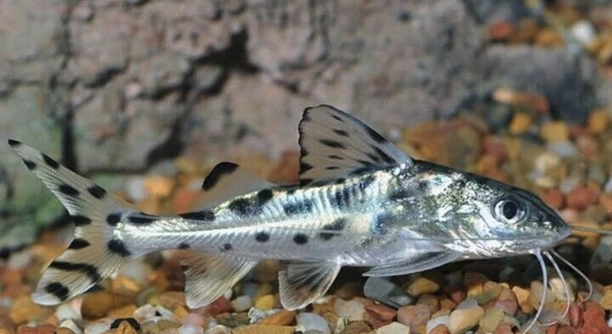
Pictus catfish are popular aquarium fish known for their active behavior and peaceful nature. Many owners wonder about the best substrate to use in their tanks. Choosing between sand and gravel is a common concern for those caring for these fish.
Pictus catfish generally prefer sand over gravel because it is softer and safer for their delicate barbels. Sand allows easier foraging and reduces the risk of injury compared to rough or sharp gravel substrates. This preference supports their natural bottom-dwelling habits.
Knowing the ideal substrate can improve your catfish’s comfort and well-being. This article will help you understand the reasons behind their choice and guide you in creating a better environment for your fish.
Why Sand Feels Better for Pictus Catfish
Pictus catfish have sensitive barbels that help them find food and explore their environment. Sand is soft and smooth, which makes it easier for them to use these barbels without getting hurt. Gravel, especially if it’s rough or sharp, can damage their barbels and cause discomfort. In nature, these fish are often found in sandy or muddy riverbeds, so sand in the aquarium mimics their natural habitat better. Sand also helps prevent leftover food from getting stuck between sharp gravel pieces, which can cause water quality problems. It’s easier to clean sand gently without disturbing the fish too much. This substrate choice supports their natural behavior, allowing them to sift through the sand while searching for food. Choosing sand shows consideration for the fish’s needs and promotes a healthier, less stressful living space.
Sand’s fine texture protects barbels and reduces the chance of injury compared to gravel.
Sand allows easier cleaning and mimics natural environments, helping your pictus catfish stay comfortable and healthy in captivity.
Gravel and Its Effects on Pictus Catfish
Gravel is a common substrate in many aquariums but may not be ideal for pictus catfish. It can have rough edges that irritate or damage their barbels. Also, gravel does not allow the same easy foraging that sand does, limiting natural behaviors. Some owners find gravel easier to clean, but it often traps uneaten food and waste in spaces between pieces. This can cause bacteria buildup and reduce water quality, which affects fish health over time. While some pictus catfish might adapt to gravel, it’s not the preferred choice for their well-being. If gravel is already in the tank, choosing smooth, rounded pieces can reduce harm. Adding some sand areas for foraging can also help. Understanding these differences helps in making informed decisions for your catfish’s care.
Gravel can irritate barbels and trap waste, making it less suitable for pictus catfish.
To keep pictus catfish healthy, soft substrates like sand are better. Gravel can work only if it is smooth and well-maintained, but sand is generally the safer option to support their natural behavior and comfort.
Cleaning and Maintenance of Substrates
Sand requires gentle cleaning to avoid disturbing the tank too much. Regular vacuuming of the top layer removes waste without pulling up the entire substrate. Over-aggressive cleaning can cloud the water and stress the fish.
Cleaning sand involves using a siphon carefully to avoid sucking up the sand itself. It traps debris on the surface, so a light vacuuming every week or two is usually enough. Sand does not allow waste to sink deep, making it easier to maintain good water quality. However, it’s important to stir the sand occasionally to prevent compacted areas where bacteria might grow. This balance helps keep the tank healthy and comfortable for pictus catfish.
Gravel cleaning is different because debris can get trapped between the stones. It needs more frequent and deeper vacuuming to prevent buildup. This can disturb fish more, as gravel is heavier and less forgiving when cleaned. Gravel often requires more effort, especially if pieces are large or irregularly shaped. In some cases, uneven cleaning can create dead zones with poor water circulation. Choosing a smooth gravel and regular maintenance helps reduce these issues but generally demands more attention than sand.
Impact of Substrate on Tank Plants
Sand can be tricky for some aquarium plants because it compacts easily. Roots may struggle to grow deep or spread out properly. Plants that prefer loose soil might not thrive without extra care or added nutrients.
To support plants in sandy tanks, it helps to add root tabs or fertilizers directly into the substrate. Choosing hardy plants like Java fern or Anubias, which don’t rely heavily on roots, can also work well. These plants attach to rocks or driftwood instead of growing through the sand. Sand can support a natural look but may need extra effort to keep plants healthy and growing.
Gravel offers better aeration and space for plant roots. It allows water and nutrients to circulate more easily, which benefits many types of rooted plants. If you want a planted tank with pictus catfish, gravel or a mix of sand and gravel might be the best choice. However, always consider the needs of both fish and plants to maintain a balanced aquarium environment.
Substrate and Water Quality
Sand helps maintain stable water quality because waste stays on the surface and is easier to remove. This prevents harmful bacteria buildup deeper in the substrate, reducing the risk of toxins in the water.
Gravel can trap food and waste between pieces, which may lead to poor water quality if not cleaned regularly. It requires more attention to avoid buildup that harms fish health.
Behavior Differences with Substrate
Pictus catfish feel more comfortable and active on sand. They use their barbels to explore and sift through the sand for food, showing natural behavior. Gravel limits this, as it is harder to sift and less gentle on their barbels.
Choosing the Right Substrate Mix
A mix of sand and fine gravel can balance comfort and plant growth needs. The sand provides a soft surface for the catfish, while gravel helps with plant roots and water flow. This combination supports both fish and plants.
Substrate Cost Considerations
Sand tends to be slightly more expensive than gravel, but its benefits often outweigh the price difference for pictus catfish care.
FAQ
Do pictus catfish need a special substrate to stay healthy?
Pictus catfish don’t need a special substrate, but soft, fine materials like sand are better for their sensitive barbels. Hard or sharp gravel can cause damage and stress. Sand helps them behave naturally, allowing gentle foraging without injury. Choosing the right substrate supports their health and comfort.
Can pictus catfish live in gravel tanks without problems?
They can live in gravel tanks, but it may not be ideal. Gravel can irritate their barbels and limit natural behaviors. Smooth, rounded gravel is better if you must use it, but sand is generally preferred for their well-being. Proper maintenance is also key to avoid waste buildup.
Is it difficult to clean sand compared to gravel?
Cleaning sand requires a gentler approach. It traps waste on the surface, so light vacuuming is enough most times. Aggressive cleaning can disturb the sand and cloud the water. Gravel needs deeper, more frequent vacuuming because debris gets trapped between stones, making it harder to maintain.
Will sand cause water quality issues in my tank?
Sand usually helps maintain good water quality since waste stays on top and is easier to remove. However, if sand is not stirred occasionally, it can compact and create dead spots where harmful bacteria grow. Regular light cleaning and stirring prevent this problem.
What type of plants grow well in sand with pictus catfish?
Plants that don’t rely heavily on roots, like Java fern or Anubias, do well in sand because they attach to rocks or driftwood. Rooted plants may struggle unless root fertilizers are used. Sand compacts easily, which can make root growth difficult for many plants.
Can I mix sand and gravel in the same tank?
Yes, mixing sand and gravel can offer benefits of both. Sand provides a soft area for the catfish, while gravel allows better root growth and water circulation for plants. This mix can create a balanced environment supporting both fish and plants.
How often should I clean the substrate in a pictus catfish tank?
Light cleaning of sand every week or two is usually enough to remove waste without disturbing the tank. Gravel needs more frequent cleaning to prevent trapped debris from harming water quality. Avoid over-cleaning to protect beneficial bacteria and reduce stress on the fish.
Will substrate choice affect my pictus catfish’s behavior?
Yes, substrate influences their activity. Sand encourages natural foraging and exploration since it’s soft and easy to sift through. Gravel can limit this behavior and might cause discomfort, making the fish less active or stressed. Choosing the right substrate helps keep them lively and healthy.
Is sand safe for baby pictus catfish (fry)?
Sand is safer for fry because it is soft and unlikely to cause injury. Fine sand allows young fish to explore and find food without damaging their delicate barbels or bodies. Gravel, especially large or sharp pieces, can be risky for small, fragile fry.
What is the best way to switch from gravel to sand?
Switching requires careful cleaning to avoid stressing the fish. Remove most gravel and gently add sand in layers. Gradually introduce the new substrate while monitoring water parameters. Avoid sudden changes to prevent upsetting beneficial bacteria and harming your pictus catfish.
Can substrate affect the tank’s overall look?
Yes, substrate choice changes the tank’s appearance. Sand offers a smooth, natural look and highlights the catfish well. Gravel comes in many colors and textures but may look less natural in some setups. Choosing substrate also depends on your aesthetic preferences and fish needs.
Does substrate type impact tank filtration needs?
Substrate affects filtration indirectly. Sand traps waste on the surface, making it easier to remove with light cleaning, which supports filtration efficiency. Gravel can trap waste deeper, requiring more powerful filtration and frequent maintenance to keep water clean. Proper substrate care complements filtration systems.
Are there health risks if pictus catfish live on gravel long-term?
Long-term exposure to rough gravel can cause barbels to become damaged or infected. This can lead to stress and make the fish more vulnerable to illness. While some fish adapt, sand is generally safer to avoid these health risks over time.
How do I choose between sand and gravel if I have plants and pictus catfish?
Consider a mix of both substrates or prioritize based on your tank’s main focus. For heavy planting, gravel supports root growth better. For catfish comfort, sand is preferable. Adding root fertilizers and choosing hardy plants can help balance both needs effectively.
Is sand harder to maintain in bigger tanks?
Sand is manageable in large tanks if cleaned gently and stirred regularly. Larger tanks benefit from proper circulation and maintenance routines. Sand does not become harder to maintain with size but requires consistent care to prevent compaction and water quality issues.
Can sand cause clogging in filters?
If sand is disturbed too much, fine particles can become suspended and clog filters temporarily. Proper, gentle cleaning reduces this risk. Avoid aggressive vacuuming or stirring that sends sand into the water column near filter intakes.
Are there types of sand better suited for pictus catfish?
Fine, smooth sand without sharp edges is best. Avoid coarse or sharp sand, which can harm barbels. Aquarium-specific sand or natural river sand is often suitable. Testing sand before adding it to the tank ensures it won’t affect water parameters negatively.
Do pictus catfish dig in the substrate?
Yes, they use their barbels to sift through sand looking for food. They don’t dig aggressively but prefer soft substrates they can explore safely. Gravel limits this behavior and can cause injury or stress if too rough.
Can substrate affect fish stress levels?
Yes, uncomfortable or harmful substrates increase stress in pictus catfish. Sand helps reduce stress by providing a soft, natural environment. Gravel, especially sharp or rough types, can cause discomfort and lead to stress-related health issues over time.
How can I test if my substrate is suitable for pictus catfish?
Observe your catfish’s behavior closely. If they avoid the bottom, show damaged barbels, or seem less active, the substrate may be unsuitable. Regularly check water quality and substrate texture. Soft, smooth, and easy-to-sift substrates like sand are usually better.
Is it necessary to rinse sand before adding it to the tank?
Yes, rinsing sand thoroughly before adding it helps remove dust and fine particles that cloud the water. Multiple rinses until water runs clear prevent initial cloudiness and keep the tank clean from the start.
How does substrate depth affect pictus catfish?
A depth of about 2 to 3 inches is enough for sand to allow natural foraging without compacting too much. Too shallow substrate limits their behavior; too deep may cause compaction and poor water flow, leading to unhealthy conditions.
Can substrate choice influence algae growth?
Indirectly, yes. Sand that traps waste on the surface and is cleaned regularly helps reduce nutrients that algae feed on. Gravel trapping debris can increase algae if not maintained properly. Keeping substrate clean supports algae control.
What is the best substrate for beginner fishkeepers with pictus catfish?
Sand is often recommended because it is forgiving and supports natural behavior. It requires gentle cleaning but is less likely to cause problems from trapped waste or injured fish. Gravel needs more careful maintenance and selection.
Are there any health benefits of sand for pictus catfish besides comfort?
Sand reduces the chance of infections and injuries to barbels, lowering stress and supporting immune health. It also supports natural feeding habits, which can improve nutrition and overall vitality. A comfortable environment promotes healthier fish.
How long does substrate typically last before replacement?
With proper care, sand or gravel can last many years. Sand may need occasional stirring or topping up, while gravel may need cleaning and occasional replacement if pieces break down. Regular maintenance extends substrate lifespan and tank health.
Can pictus catfish live happily in tanks without substrate?
They can survive without substrate but miss out on natural behaviors like foraging and exploring with their barbels. A bare bottom tank is easier to clean but might cause stress or boredom in these active fish. Substrate adds enrichment to their environment.
Is natural river sand better than commercial aquarium sand?
Natural river sand can work well but may contain unwanted minerals or impurities. Aquarium sand is processed to be safe and consistent. Testing natural sand for water parameter changes is important before use to avoid harming fish.
What substrate color is best for pictus catfish?
Neutral or darker sand colors often highlight the fish’s markings better and reduce stress by providing a natural environment. Bright or unnatural colors may cause discomfort or stress. Choose colors that mimic natural habitats for best results.
Can substrate affect tank water pH or hardness?
Some substrates, like crushed coral gravel, can raise pH and hardness. Pure sand generally has little to no effect on water chemistry. Always check substrate composition to ensure it matches your tank’s water parameters and fish needs.
Is it okay to add new substrate on top of old substrate?
Adding new substrate over old can cause layers that trap waste and reduce water flow. It’s better to remove some old substrate before adding new to maintain good tank hygiene and avoid problems.
How does substrate type impact tank aesthetics?
Sand offers a clean, natural look with smooth texture. Gravel provides variety with different colors and sizes, allowing customization. The choice depends on the desired tank style and fish comfort. Balancing appearance with care needs is key.
Are there any special tools needed to maintain sand substrate?
A siphon with adjustable flow or a fine gravel vacuum is useful to clean sand gently without sucking it up. Stirring tools can help prevent compaction but should be used carefully to avoid disturbing fish or clouding water.
Does substrate affect how easy it is to spot uneaten food?
Sand makes uneaten food easier to see on the surface, allowing quicker removal. Gravel can hide food in spaces between pieces, increasing the risk of decay and poor water quality if missed during cleaning.
What should I avoid when choosing substrate for pictus catfish?
Avoid sharp, rough gravel or coarse sand that can injure barbels. Also, avoid substrates that alter water chemistry in harmful ways. Unsuitable substrate can lead to stress, injury, and poor health for your catfish.
Is it better to buy substrate pre-washed or wash it myself?
Even pre-washed substrate benefits from rinsing before use to remove dust and small particles. Washing yourself ensures clarity and cleanliness, reducing initial cloudiness and helping maintain water quality from the start.
How does substrate impact breeding behavior in pictus catfish?
Substrate can influence breeding comfort. Soft sand supports natural spawning behaviors, while rough gravel may discourage it. Providing an appropriate substrate encourages natural reproductive activity and healthier fry.
Can substrate type affect how long food stays fresh on the bottom?
Sand allows uneaten food to remain visible and easy to remove quickly. Gravel hides food, increasing the chance of spoilage and affecting water quality. Regular cleaning is essential regardless of substrate.
Are there any health signs to watch for related to substrate issues?
Damaged barbels, lethargy, or reluctance to forage may indicate substrate problems. Poor water quality due to trapped waste can cause illness. Regular observation helps catch issues early for timely care.
How does substrate choice affect tank inhabitants other than pictus catfish?
Different fish and invertebrates have various substrate preferences. Sand suits many bottom dwellers, while gravel may benefit others. Consider all tank mates when selecting substrate for a harmonious environment.
Can substrate influence aquarium temperature?
Substrate generally has minimal impact on temperature but can affect heat distribution slightly. It is more important to focus on proper heaters and tank setup for stable temperatures.
Is substrate depth important for filtration systems?
Too deep substrate can trap waste and reduce water flow, impacting filtration efficiency. Maintaining appropriate depth helps filters work well and prevents buildup of harmful substances.
Does sand or gravel affect tank noise levels?
Substrate type has little effect on noise. However, sand absorbs sound more softly than gravel, which can create more clinking noises when disturbed. This is usually a minor consideration in tank setup.
Can substrate affect fish coloration?
A natural substrate color can enhance fish appearance by reducing stress and providing contrast. Stress from unsuitable substrate might dull coloration over time. Choosing the right substrate supports vibrant, healthy fish.
How to transition fish to a new substrate type without stress?
Introduce new substrate gradually, monitor water conditions, and watch fish behavior closely. Avoid sudden changes that could shock the fish. Keeping conditions stable supports a smooth transition.
Are there substrates that help control aquarium odors?
Sand and gravel do not directly control odors but keeping substrate clean prevents buildup of waste that causes smells. Proper maintenance and filtration are key to odor control.
Can substrate choice affect how fish interact with the tank environment?
Yes, substrate influences exploration, hiding, and feeding behaviors. Providing the right substrate encourages natural activity and reduces stress, helping fish thrive.
Is substrate replacement a regular part of tank maintenance?
Not regularly. Good maintenance and cleaning extend substrate life. Replacement is only necessary if substrate degrades, becomes contaminated, or no longer suits tank inhabitants.
Can substrate hold beneficial bacteria?
Yes, both sand and gravel host beneficial bacteria that help break down waste. A healthy substrate contributes to biological filtration and tank balance.
Are there alternative substrates suitable for pictus catfish?
Besides sand and gravel, some keepers use fine crushed coral or specialized aquarium soils, but these may affect water chemistry. Always research compatibility before use.
Can substrate choice impact oxygen levels in the tank?
Compacted substrate can reduce oxygen flow to bacteria and roots. Proper cleaning and stirring prevent this, supporting oxygen exchange and healthy tank conditions.
How to recognize substrate compaction issues?
Compacted substrate looks hard and dense, sometimes with foul odors. It can trap waste and harm plant roots. Regular stirring and cleaning prevent compaction problems.
Do pictus catfish prefer dark or light substrates?
They tend to feel more secure on darker substrates, which mimic their natural environment and reduce stress. Light substrates can be used but may cause fish to be more cautious or shy.
How does substrate affect the tank’s ecosystem balance?
Substrate supports bacteria, plants, and fish interactions. The right substrate helps maintain water quality, provides habitat for microorganisms, and supports overall ecosystem health.
Are there environmental concerns when choosing substrate?
Some natural substrates are harvested unsustainably. Opt for aquarium-safe, responsibly sourced materials to reduce environmental impact.
Is it okay to mix substrate types for aesthetic reasons?
Yes, mixing can create attractive layouts but ensure it doesn’t harm fish or plants. Balance comfort and visual appeal carefully.
Can substrate cause physical injury to pictus catfish?
Sharp or coarse substrates can injure barbels and skin. Sand or smooth gravel reduces this risk, promoting safe, healthy conditions.
Does substrate color influence algae growth?
Algae growth depends more on lighting and nutrients than substrate color. However, lighter substrates may show algae more clearly.
Can substrate choice affect fish breeding success?
Soft substrates like sand encourage natural spawning behaviors. Hard or rough substrates may discourage breeding.
Is there a difference in weight between sand and gravel substrate?
Gravel is usually heavier and can add more weight to the tank base. Sand is lighter but can compact more. Both require secure tank support.
How to safely dispose of old substrate?
Dispose of substrate by placing it in sealed bags and following local waste guidelines. Avoid dumping it into natural water bodies.
Are there any special considerations for substrate in community tanks with pictus catfish?
Choose a substrate that suits all species involved. Sand generally works well for peaceful bottom dwellers. Ensure no substrate harms any tank mates.
Can substrate impact fish longevity?
A comfortable, safe substrate supports overall health, reduces stress and injury risk, and can help fish live longer, healthier lives.
What is the best substrate for a low-maintenance pictus catfish tank?
Fine sand with light, regular cleaning is usually low-maintenance. Gravel requires more frequent attention. Sand helps maintain cleaner conditions naturally.
Is it possible to change substrate without removing fish?
Yes, but it requires careful, gradual changes to minimize stress. Partial substrate replacement and monitoring water quality help during the transition.
How to test substrate for pH and hardness effects?
Soak substrate samples in water and test parameters over several days. Monitor for changes before adding to the tank.
Can substrate affect fish waste breakdown?
Both sand and gravel host bacteria that break down waste, but compaction or trapped debris can slow this process. Proper maintenance improves efficiency.
Are certain substrates better for breeding pictus catfish fry?
Soft sand is better for fry because it’s gentle and safe. It allows fry to explore without injury, supporting healthy growth.
Can substrate influence fish hiding behavior?
Substrate combined with decorations provides hiding spots. Sand encourages natural digging, while gravel offers crevices between stones. Both can affect how fish feel secure.
Is aquarium sand safe for all fish species?
Most aquarium sands are safe, but some fish prefer different substrates. Research your specific species to ensure compatibility before use.
How long should sand be rinsed before use?
Rinse sand until water runs clear, which may take several minutes to remove dust and fine particles.
Does substrate impact how often water changes are needed?
Proper substrate maintenance reduces debris buildup, helping keep water cleaner and possibly extending time between water changes.
What are signs that substrate needs replacement?
Foul smells, excessive compaction, discoloration, or substrate breakdown indicate it’s time to replace it.
Can substrate affect fish feeding habits?
Soft substrates encourage natural foraging, while rough gravel may limit feeding behavior or cause discomfort during feeding.
Is sand better for nighttime behavior of pictus catfish?
Sand allows safer nighttime foraging and exploration. Hard gravel may cause more stress when fish are less active.
How to introduce new substrate without clouding water too much?
Add substrate slowly and rinse thoroughly. Use gentle water flow and wait before adding fish back if tank was emptied.
Are there any health risks from dust in new substrate?
Dust can cause temporary water cloudiness and stress fish. Rinsing substrate thoroughly prevents this issue.
Does substrate choice affect how easy it is to spot fish diseases?
Light-colored sand can help highlight signs like wounds or parasites more clearly than darker gravel.
How can I protect my pictus catfish’s barbels from substrate damage?
Choose soft, fine sand and avoid sharp gravel. Handle fish gently and keep water clean to prevent infections.
Is natural substrate always better than synthetic?
Not always. Synthetic substrates are designed for safety and consistency, while natural ones can vary and sometimes introduce unwanted elements.
Are there any substrates that help reduce stress in pictus catfish?
Soft sand with natural coloring helps reduce stress by mimicking their natural habitat and protecting sensitive barbels.
Can substrate color affect tank lighting needs?
Final Thoughts
Choosing the right substrate for pictus catfish is important for their health and comfort. Sand is usually the best option because it is soft and gentle on their barbels. These fish like to explore and sift through the substrate to find food, and sand allows them to do this safely. Gravel can sometimes be rough and sharp, which may hurt their sensitive barbels. If gravel is used, it should be smooth and rounded to reduce the risk of injury. Overall, keeping the substrate comfortable helps the catfish stay active and healthy.
Maintaining the substrate is also a key part of keeping your tank clean. Sand tends to trap waste on the surface, which makes it easier to clean gently without disturbing the fish. Gravel can trap debris between the stones, making it harder to remove and potentially harming water quality. Regular light cleaning of the substrate helps prevent buildup of harmful bacteria and keeps the tank environment stable. Remember, a healthy tank is important for pictus catfish to thrive and live longer.
It is important to consider other factors like plants, tank size, and the needs of other fish when selecting substrate. Some plants may need gravel for their roots, while others do well with sand or can attach to rocks and driftwood. You can even mix sand and gravel to meet different needs. Taking time to understand your entire tank setup will help you choose the substrate that works best. When done right, the right substrate will support a balanced, healthy tank and keep your pictus catfish comfortable and well cared for.

Hello,
If you enjoy the content that we create, please consider saying a "Thank You!" by leaving a tip.
Every little bit helps us continue crafting quality advice that supports the health, happiness, and well-being of pets around the world, for pets of all shapes, sizes, and species.
We really appreciate the kindness and support that you show us!