
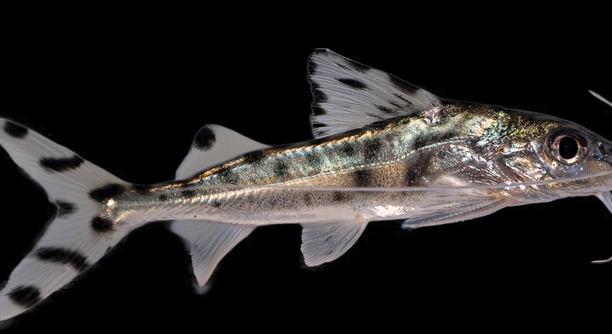
Pictus catfish are popular freshwater fish known for their active behavior and striking appearance. Many owners provide hiding spots to help these fish feel secure in their tanks. Understanding their needs as they grow is important for proper care.
Pictus catfish do not completely outgrow their need for hiding spots. Although they become more confident and active as they mature, they still require sheltered areas for resting and protection from stress in their environment.
Knowing how to balance open swimming space with hiding places will improve the well-being of your catfish. Proper habitat setup ensures they feel safe while enjoying their natural behaviors.
Why Hiding Spots Matter for Pictus Catfish
Providing hiding spots in a Pictus catfish tank helps reduce stress and mimics their natural environment. These fish come from rivers and streams where they find shelter among rocks, plants, and debris. Without proper hiding places, they can feel exposed and vulnerable, which may affect their health and behavior. Even as they grow larger, they seek out cozy corners to rest or escape sudden movements in the tank. Hiding spots also encourage natural behavior, such as exploring and retreating when needed. Common options include caves, dense plants, and driftwood. It’s important to arrange these so they don’t overcrowd the tank but still offer plenty of refuge. Observing your catfish using their hiding spots shows they feel safe, which contributes to their overall happiness and longevity in captivity.
Well-designed hiding places balance safety and space, allowing Pictus catfish to swim freely while feeling secure.
Offering a variety of shelter types gives these fish options, helping them adjust to their environment comfortably. When they have choices, their confidence grows, and you will notice a calmer, more active fish. Proper tank decoration supports their natural instincts without limiting movement, creating a healthy, stimulating habitat.
Adjusting Hiding Spots as Pictus Catfish Grow
You can gradually modify the tank layout as your Pictus catfish mature, reducing the number of hiding spots but never removing them entirely.
As Pictus catfish grow, their increased size changes their needs, but hiding remains important. Young catfish prefer smaller, tight spaces for security, while adults may use larger caves or open spaces under driftwood. Changing decorations slowly helps them adapt without causing stress. Avoid sudden removals of all hiding spots, as this can lead to anxiety or aggressive behavior. Instead, reduce overcrowding by providing fewer, larger shelters. Monitoring your fish’s behavior during these changes reveals their comfort level. If they seem restless or hide excessively, it may indicate a need for more secure areas. Keeping some hiding spots ensures your catfish stay relaxed and healthy, even as they become more confident swimmers in the tank.
Common Types of Hiding Spots for Pictus Catfish
Pictus catfish prefer hiding spots that resemble their natural habitats. Common choices include caves, dense plants, and driftwood, which provide shelter and security.
Caves are ideal because they offer tight, enclosed spaces that make catfish feel safe. They mimic rocky crevices found in rivers. Driftwood provides larger, shaded areas underneath where catfish can rest. Live or artificial plants add cover and break up open areas, giving a sense of protection. Each hiding spot type serves a purpose in creating a balanced tank environment that encourages natural behavior.
It’s important to arrange hiding spots to avoid overcrowding while giving your fish several options. Rotate or change the spots occasionally to maintain interest and comfort. The combination of these elements helps reduce stress and supports healthy activity in your Pictus catfish.
Signs Your Pictus Catfish Need More Hiding Spots
If your catfish constantly hide or appear skittish, they might need more secure spaces.
Excessive hiding or twitchy swimming patterns are clear signs of stress. A lack of sufficient shelter can make catfish feel exposed and unsafe, causing them to avoid swimming freely. Notice if they dart quickly when the tank is disturbed or hide for long periods without coming out to explore. Also, aggression or territorial behavior may increase if hiding spots are limited.
Providing additional hiding places helps calm your catfish and encourages natural activity. Pay attention to their behavior changes and adjust the tank layout to keep their environment comfortable and stress-free. This balance improves their overall health and well-being.
Maintaining Clean Hiding Spots
Hiding spots can accumulate debris and algae, so regular cleaning is important. Dirty shelters can affect water quality and fish health.
Use gentle cleaning methods to avoid damaging decorations or plants. Remove buildup carefully without disturbing your catfish’s comfort in the tank.
How Tank Size Affects Hiding Spot Needs
Larger tanks provide more space for both swimming and hiding spots. In smaller tanks, you must balance open areas with enough shelters to prevent stress. Proper spacing helps your Pictus catfish feel secure without feeling crowded, promoting natural behaviors.
Choosing Safe Materials for Hiding Spots
Select non-toxic, aquarium-safe materials for all decorations. Avoid sharp edges or untreated wood that might harm your fish or leach chemicals into the water.
Monitoring Your Catfish’s Behavior
Keep an eye on how your Pictus catfish use their hiding spots. Changes in behavior can indicate their comfort level and help you adjust the tank setup as needed.
How many hiding spots does a Pictus catfish need?
A good rule of thumb is to provide at least two to three hiding spots for each Pictus catfish in your tank. This allows them options for resting and feeling secure. Having multiple shelters reduces competition and stress, especially if you keep several catfish together. The spots should vary in size to accommodate different behaviors and growth stages. It’s better to have slightly more than too few so your fish can choose where they feel safest at any time.
Can Pictus catfish live without hiding spots?
While Pictus catfish might survive without hiding spots, they generally do not thrive. These fish rely on secure areas to reduce stress and display natural behaviors. Without proper shelter, they may become anxious, hide excessively in corners, or show signs of illness. A tank lacking hiding places can lead to weaker immune systems and shorter lifespans. Providing hiding spots is essential for their mental and physical health, even if they appear active in an empty tank.
Do Pictus catfish prefer natural or artificial hiding spots?
Pictus catfish tend to prefer natural hiding spots like driftwood, rocks, and live plants because these resemble their river habitat. Natural materials offer texture, shade, and better water chemistry benefits. However, well-made artificial caves and decorations are also accepted if they are safe and clean. Combining both types can create variety and enhance the tank’s environment. It’s important to ensure any artificial items have smooth edges and are made from non-toxic materials to protect your fish.
How often should hiding spots be cleaned?
Hiding spots should be cleaned regularly to prevent buildup of algae, detritus, and waste, which can harm water quality. A good schedule is every two to four weeks, depending on your tank’s filtration and maintenance routine. Use gentle methods like rinsing with tank water or soft brushes to avoid disturbing beneficial bacteria. Avoid harsh chemicals that could harm your catfish or plants. Keeping shelters clean encourages your Pictus catfish to continue using them and helps maintain a healthy tank environment.
Can hiding spots be rearranged or changed often?
Rearranging hiding spots occasionally is fine, but it should be done gradually to avoid stressing your catfish. Sudden, drastic changes can confuse or frighten them, leading to hiding or erratic swimming. Small adjustments like moving a cave slightly or rotating decorations can keep the environment interesting. If you need to replace or remove hiding spots, do so one at a time and monitor your fish’s reaction. Observing their comfort level helps you decide if further changes are needed.
Do adult Pictus catfish still hide as much as juveniles?
Adult Pictus catfish tend to be more confident and may hide less frequently than juveniles, but they still need hiding spots. Adults use shelters for resting, protection during tank disturbances, or when they feel threatened. They also enjoy exploring the tank but return to safe places for security. Removing hiding spots for adults is not recommended, as it can cause stress and negatively affect their well-being. Providing ample shelter at all life stages supports healthy behavior.
What happens if hiding spots are too small or too big?
Hiding spots that are too small can trap or stress your catfish, especially as they grow. Small spaces may discourage use if the fish cannot comfortably fit inside. On the other hand, overly large shelters might not provide the sense of security they seek and can reduce open swimming space. It’s best to offer a variety of sizes, allowing your Pictus catfish to choose what fits their needs. Balanced shelter size contributes to their comfort and natural activity.
Are plants good hiding spots for Pictus catfish?
Yes, plants are excellent hiding spots because they create shaded, secure areas. Dense foliage breaks up open tank space and provides cover without taking up too much room. Both live and artificial plants work well, though live plants can improve water quality and mimic natural conditions. Make sure plant leaves are sturdy enough to withstand your catfish’s activity. Combining plants with caves and driftwood creates a richer environment for your fish to feel safe and explore.
Can too many hiding spots be a problem?
Too many hiding spots can reduce swimming space, making the tank feel crowded. Overcrowded tanks limit movement and may cause territorial behavior. It’s important to balance shelter quantity with enough open areas for swimming and exercise. Providing several well-placed hiding spots is enough to meet security needs without overcrowding. Regularly assess your tank layout and adjust decorations if the environment starts to feel cluttered.
How do I know if my Pictus catfish is stressed?
Signs of stress in Pictus catfish include excessive hiding, loss of appetite, erratic swimming, and lethargy. They may also scrape against decorations or display rapid gill movement. Stress often results from poor water quality, lack of hiding spots, or sudden environmental changes. Monitoring behavior daily helps you catch problems early. If stress signs appear, review tank conditions and provide additional shelter or improve water parameters to help your catfish recover.
Providing hiding spots for Pictus catfish is an important part of creating a healthy and comfortable tank environment. These fish naturally seek shelter to feel safe and reduce stress. Even as they grow larger and become more confident swimmers, their need for hiding places does not disappear. A well-planned tank includes a balance of open swimming areas and secure shelters to support their natural behavior. Using a mix of caves, plants, and driftwood gives them options that suit different moods and stages of life.
Maintaining hiding spots involves regular cleaning and thoughtful arrangement. Dirty or overcrowded shelters can cause problems, including poor water quality and stress for the fish. It is important to clean decorations gently and avoid harsh chemicals. When adjusting the tank layout, changes should be made gradually to prevent upsetting your catfish. Observing how your fish respond to these changes helps you create a more comfortable environment. Knowing when to add, remove, or rearrange hiding spots is key to their long-term well-being.
In summary, hiding spots remain essential for Pictus catfish throughout their lives. They provide comfort, reduce stress, and encourage natural behavior. Paying attention to the type, number, and condition of hiding places will improve the health and happiness of your fish. A thoughtful approach to tank decoration benefits both the fish and their caretaker, making the aquarium a more enjoyable space. Meeting your Pictus catfish’s need for shelter is a simple yet effective way to support their care.

Hello,
If you enjoy the content that we create, please consider saying a "Thank You!" by leaving a tip.
Every little bit helps us continue crafting quality advice that supports the health, happiness, and well-being of pets around the world, for pets of all shapes, sizes, and species.
We really appreciate the kindness and support that you show us!