
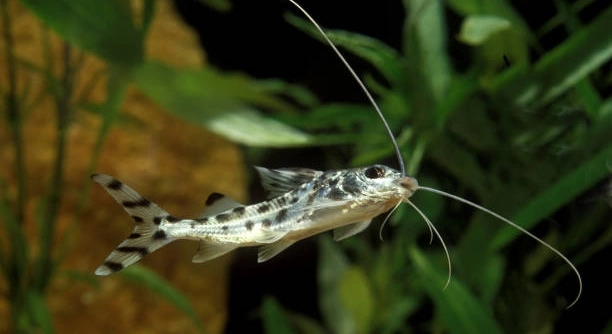
Keeping a Pictus tank healthy means paying close attention to what goes inside. Many common items can harm these sensitive fish. Understanding what to avoid helps maintain a safe environment for your aquatic pets.
There are specific items that should never be put in a Pictus tank, including sharp decorations, untreated wood, chemicals, and inappropriate food. These can cause injury, illness, or poor water quality, negatively affecting the fish’s health and lifespan.
Knowing what not to add to your tank is essential for long-term care. This guide will help you protect your Pictus and keep their home safe and comfortable.
Sharp Decorations
Sharp decorations in a Pictus tank can cause serious injuries to your fish. Pictus catfish have delicate barbels and soft fins that are easily damaged by jagged edges or rough surfaces. Items like broken shells, glass shards, or poorly made plastic decorations might seem harmless but can lead to cuts and infections. Keeping the tank safe means choosing smooth, rounded decorations designed for aquariums. Avoid anything with pointed tips or rough textures, as these increase the risk of harm during the fish’s natural exploration and swimming.
Sharp objects also disrupt the natural behavior of Pictus catfish, which like to explore and hide among tank features. If they get hurt, their movement will change, and stress levels rise, making them more vulnerable to disease.
Picking the right decorations means more than just looks. It directly affects your fish’s health and comfort. Opt for smooth stones, driftwood with no sharp edges, or commercially made aquarium ornaments that are tested safe.
Sharp decorations cause injuries that can lead to infections and stress. Smooth, rounded items keep your Pictus safe and comfortable.
Sharp decorations can severely injure Pictus catfish due to their delicate barbels and fins. Cuts can easily become infected, harming their health. Choosing smooth, rounded aquarium-safe ornaments protects them while allowing natural exploration. Proper decoration selection supports both safety and the fish’s natural behavior, improving their quality of life in the tank.
Untreated Wood
Untreated wood may look natural and appealing in a Pictus tank, but it often releases harmful substances into the water. Chemicals, toxins, or dirt on untreated wood can degrade water quality and affect fish health. Moreover, untreated wood can cause the water’s pH to drop too low, which is stressful or even dangerous for Pictus catfish. The wood may also rot quickly, producing harmful bacteria and making the tank environment unsafe.
To avoid these risks, only use wood that has been properly treated or designed for aquarium use. Boiling or soaking wood before placing it in the tank can remove some impurities, but this is not always enough. Regular monitoring of water parameters is essential when adding any natural decorations.
Pictus catfish prefer clean, stable water conditions. Untreated wood can disrupt this balance, causing unnecessary stress and health issues. Choose aquarium-safe wood to maintain a healthy environment.
Untreated wood often releases toxins and lowers pH levels, harming water quality and fish health. Properly treated aquarium wood is a safer choice. It prevents decay and protects the tank’s stability, keeping your Pictus healthy and stress-free.
Chemicals and Cleaning Agents
Chemicals and cleaning agents can be extremely dangerous for a Pictus tank. Even small amounts of soap, bleach, or household cleaners can poison the fish and disrupt the tank’s ecosystem.
Fish are very sensitive to chemicals that humans often use around the home. Cleaning tanks or decorations with regular soaps or detergents leaves harmful residues that are hard to rinse completely. These substances can cause gill damage, stress, and even death. It’s important to use only aquarium-safe products for cleaning, or simply rinse items with hot water. Avoid sprays or cleaners near the tank to prevent accidental contamination.
Even small chemical traces can quickly upset the delicate balance of water parameters, harming the fish and beneficial bacteria. Keeping cleaning routines safe is essential for maintaining a healthy Pictus tank and preventing avoidable losses.
Avoid all household chemicals in and around the tank. Use only products labeled safe for aquariums. Proper cleaning prevents poisoning and maintains water quality, ensuring your fish stay healthy and stress-free.
Inappropriate Food
Feeding the wrong food to Pictus catfish can lead to health problems and poor growth. They are bottom feeders who need a diet suited to their needs. Avoid feeding fatty, processed, or overly large foods that they cannot digest properly.
Pictus catfish benefit from high-protein foods like sinking pellets, bloodworms, and small live or frozen prey. Feeding excessive amounts of flakes, bread, or plant-based foods can cause digestive issues and water pollution. Overfeeding also increases waste and lowers water quality, stressing the fish. It’s best to feed small portions regularly and remove uneaten food promptly to avoid decay. Proper nutrition supports their activity level and vibrant appearance.
Careful feeding ensures your Pictus remains healthy and energetic. Choosing the right food and portion sizes avoids common problems like bloating and poor water conditions, keeping the tank stable and your fish thriving.
Gravel That Is Too Sharp
Sharp gravel can injure Pictus catfish, especially their sensitive barbels. Rough surfaces may cause cuts and infections.
Using smooth, rounded gravel or sand protects their delicate bodies and helps maintain a healthy tank environment.
Overcrowding
Overcrowding stresses Pictus catfish and worsens water quality quickly. Too many fish in one tank leads to competition for food and oxygen.
Maintaining a proper fish-to-water ratio reduces stress, prevents disease, and keeps the tank clean. Providing enough space allows your Pictus to swim freely and behave naturally.
Plants With Toxic Properties
Some aquarium plants release toxins harmful to Pictus catfish. Avoid plants like Amazon sword or certain lilies that can negatively affect water chemistry.
Choosing safe, non-toxic plants helps create a healthy habitat and supports your fish’s well-being.
Metals and Rusty Items
Metals and rusty objects can leach harmful substances into the water, poisoning fish over time.
Avoid placing any metal decorations or tools inside the tank to protect your Pictus’s health.
FAQ
What types of decorations are safest for a Pictus tank?
Smooth, rounded decorations made specifically for aquariums are the safest choice. Items like polished river stones, aquarium-safe plastic or resin ornaments, and properly treated driftwood won’t harm your fish. Avoid sharp or jagged objects that can cut their delicate barbels and fins. Always check new decorations for rough edges before placing them in the tank. Proper decorations allow your Pictus to explore freely without risk of injury.
Can I use regular household cleaners to clean my Pictus tank?
No, household cleaners often contain chemicals that are toxic to fish. Even small traces of soap, bleach, or detergents can cause serious health problems or death. Use only aquarium-safe cleaning products or rinse tank equipment thoroughly with hot water. It’s best to clean decorations and the tank itself with water only or specialized fish-safe cleaners to avoid contaminating the water.
Is it okay to feed Pictus catfish flakes or pellets meant for other fish?
Pictus catfish need sinking pellets designed for bottom feeders or high-protein foods like bloodworms and small live prey. Flakes or pellets meant for surface feeders or herbivores may not provide the proper nutrition and can cause digestive issues. Overfeeding or offering inappropriate food can also pollute the tank. Feed small portions suited to their dietary needs and remove uneaten food promptly.
How often should I clean the tank to keep it safe for my Pictus?
Regular maintenance is key. Partial water changes of about 20-30% should happen weekly to keep water quality high. Clean the substrate gently and remove uneaten food or debris often. Avoid deep cleaning that removes beneficial bacteria. Use aquarium-safe tools and cleaners only. Keeping the tank clean but stable reduces stress and helps your Pictus stay healthy.
Are live plants safe for a Pictus tank?
Yes, but only non-toxic plants should be used. Some plants can release harmful substances or affect water chemistry negatively. Choose hardy, safe plants like Java fern, Anubias, or Hornwort. These plants also improve water quality by absorbing excess nutrients and provide hiding spots for your fish. Always research plants before adding them to your aquarium.
What should I do if my Pictus gets injured on a decoration?
Remove the fish to a separate recovery tank with clean, warm water. Monitor the injury and keep the water very clean to prevent infection. Adding aquarium salt (at recommended levels) can help healing. Remove any sharp or unsafe decorations from the main tank to prevent further injury. If the wound worsens, consult an aquatic veterinarian for treatment options.
Can untreated wood be made safe for the tank?
Boiling or soaking untreated wood can remove some toxins and dirt, but it doesn’t always make it completely safe. Untreated wood can still release harmful substances and affect pH levels. It’s best to use aquarium-treated wood or wood specifically sold for fish tanks. Regularly test water parameters if you use natural wood to catch any changes early.
Why is overcrowding dangerous for Pictus catfish?
Too many fish in one tank increase waste, lower oxygen levels, and create competition for food. This stresses Pictus catfish and makes them vulnerable to illness. Overcrowding also reduces swimming space, which can alter their natural behavior. Maintaining the right number of fish per gallon of water ensures better health and a more balanced tank environment.
What gravel is best for a Pictus tank?
Fine, smooth gravel or sand is ideal. Sharp or rough gravel can injure the Pictus’s barbels, which are sensitive to cuts and infections. Sand mimics their natural habitat and allows them to dig safely. Avoid coarse or jagged gravel to keep the fish safe and comfortable.
Can metals or rusty objects affect the tank water?
Yes, metals and rust can leach harmful substances like iron and heavy metals into the water. These toxins can poison your fish over time and disrupt the tank’s delicate balance. Avoid using metal decorations or tools inside the tank. Stick to aquarium-safe materials to ensure a healthy environment.
How do I know if a plant is toxic to Pictus catfish?
Research is the best way to know. Some common aquarium plants can be harmful, so look for lists of non-toxic plants for freshwater fish. Avoid plants that produce toxins or significantly alter water chemistry. If unsure, consult aquarium guides or experts before adding any new plants.
What happens if water quality drops in a Pictus tank?
Poor water quality stresses Pictus catfish, weakening their immune system and increasing the risk of disease. Signs include lethargy, loss of appetite, and abnormal swimming. Waste buildup, chemicals, or decaying food can cause harmful ammonia and nitrite spikes. Regular maintenance and monitoring keep water safe and fish healthy.
Taking care of a Pictus tank means paying attention to the small details that affect the fish’s health and comfort. Avoiding harmful items like sharp decorations, untreated wood, and chemicals keeps the tank safe and stable. Each element in the aquarium plays a role in creating a balanced environment where the fish can thrive. When you choose the right decorations, foods, and plants, you reduce the risk of injury, illness, and stress. This simple care helps your Pictus live a longer, healthier life.
It is important to be cautious with what you introduce into the tank. Even things that seem harmless at first, like certain types of gravel or untreated wood, can cause problems if not properly prepared or chosen. Chemicals from household cleaners or rusty objects can poison the water and make your fish sick. Taking time to research and prepare everything before adding it to the tank prevents many common issues. Regular maintenance and careful feeding also contribute to a clean, safe home for your Pictus.
Finally, keeping a Pictus tank healthy is about creating a balanced and gentle environment. Paying attention to water quality, decorations, and food means your fish can live without stress or injury. Simple actions, like choosing smooth gravel and safe plants, avoiding toxic items, and feeding proper food, go a long way. By staying mindful and consistent in your care, you support the well-being of your Pictus catfish and enjoy a beautiful, thriving aquarium.

Hello,
If you enjoy the content that we create, please consider saying a "Thank You!" by leaving a tip.
Every little bit helps us continue crafting quality advice that supports the health, happiness, and well-being of pets around the world, for pets of all shapes, sizes, and species.
We really appreciate the kindness and support that you show us!