
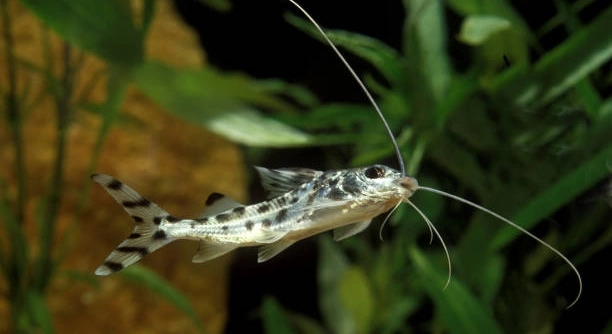
Are your aquarium tanks home to lively Pictus catfish, but you wonder if they create more mess than other fish? Many fish owners notice differences in how much debris their pets produce. Understanding these differences can help maintain a cleaner tank environment.
Pictus catfish tend to be moderately messy compared to other freshwater fish. Their active scavenging and bottom-feeding habits stir up substrate and leftover food, causing some debris accumulation. However, their messiness is not extreme and can be managed with proper tank maintenance.
Knowing how Pictus catfish compare in tidiness can help you better plan your aquarium care. This article explores their behavior and what it means for keeping your tank clean.
Why Pictus Catfish Stir Up More Debris
Pictus catfish are bottom dwellers that actively search for leftover food and detritus in the aquarium. Their natural behavior involves sifting through gravel and substrate, which often causes particles to become suspended in the water. This activity can make the tank look messier than it actually is. Unlike some fish that feed near the surface or middle of the tank, Pictus catfish spend a lot of time disturbing the bottom layer. This constant movement can also dislodge plant debris and uneaten food, contributing to water cloudiness if not managed well. Additionally, they produce waste like any fish, which adds to the organic material in the tank. Proper filtration and regular cleaning routines are essential to control the debris buildup that results from their feeding habits and movement.
Their behavior naturally leads to more visible debris compared to less active fish.
Pictus catfish are not inherently messy by poor care standards. Their activity requires attentive maintenance, such as regular vacuuming of the substrate and frequent water changes. Using efficient filtration systems helps capture suspended particles and maintain water clarity. These catfish thrive in well-maintained tanks where debris does not accumulate excessively. Aquarists who enjoy keeping Pictus catfish must commit to a cleaning routine that balances their natural behaviors with a clean environment.
Comparing Pictus Catfish to Other Bottom Feeders
Many bottom feeders, like Corydoras catfish and Plecos, share similar habits with Pictus catfish.
While Corydoras tend to be less disruptive because they sift gently, Plecos can create more waste due to their size and eating habits. Pictus catfish sit in the middle range, stirring substrate more than Corydoras but less than larger Plecos. Each species’ behavior affects tank cleanliness differently. Choosing the right species depends on the desired tank setup and maintenance willingness. Understanding these differences helps aquarists anticipate cleaning needs and maintain better tank conditions.
Feeding Habits and Their Impact on Messiness
Pictus catfish are opportunistic feeders, often eating leftover food that sinks to the tank bottom. This behavior means uneaten food can accumulate if feeding is not carefully managed.
Feeding Pictus catfish requires attention to quantity and type of food. Overfeeding increases waste and leftover scraps, which contribute to messiness. Using sinking pellets or wafers designed for bottom feeders helps reduce floating debris. Feeding small amounts multiple times a day is better than one large feeding. This prevents excess food from settling and decomposing on the substrate. Proper feeding practices help keep the tank cleaner and the fish healthier.
Despite their scavenging nature, Pictus catfish do not clean the tank themselves. They often miss small food particles or debris that can settle into hard-to-reach areas. Supplementing with other cleanup fish or regular tank maintenance is necessary to maintain water quality. The feeding routine and tank upkeep together control how much mess Pictus catfish produce.
Tank Setup and Maintenance Considerations
Tank size and filtration directly influence mess levels in a Pictus catfish aquarium.
Larger tanks with strong filtration systems handle debris better by circulating water and trapping particles. Substrate choice also matters; fine gravel or sand reduces the amount of stirred-up particles. Regular vacuuming of the substrate during water changes helps remove accumulated waste. A well-planned tank setup with proper equipment limits mess caused by Pictus catfish activity. Maintaining a strict cleaning schedule is vital for keeping the environment healthy and visually clear.
Behavior That Affects Cleanliness
Pictus catfish are active swimmers and constantly move along the tank bottom. This motion disturbs the substrate and can cause debris to float in the water.
Their social nature means they often swim in groups, increasing activity and disturbance.
Choosing Tankmates for a Cleaner Environment
Selecting compatible tankmates can help manage debris. Fish that feed at different levels reduce food competition and waste buildup. Avoid aggressive or overly messy species to maintain balance. Peaceful, mid-level swimmers complement Pictus catfish behavior well.
Using Plants to Reduce Mess
Live plants absorb nutrients from fish waste and leftover food. This natural filtration lowers organic buildup, helping keep the tank cleaner. Adding hardy plants can improve water quality and aesthetics.
Regular Maintenance Is Key
Consistent tank cleaning prevents debris accumulation. Weekly water changes and substrate vacuuming keep mess manageable and fish healthy.
Are Pictus catfish harder to keep clean compared to other fish?
Pictus catfish are not necessarily harder to keep clean, but their active bottom-feeding habits cause more substrate disturbance than many other species. This stirring can make the tank look cloudier and messier, but it does not mean the tank is unhealthy. Proper filtration and regular maintenance prevent mess from becoming a problem.
How often should I clean my tank with Pictus catfish?
A weekly cleaning routine works well for tanks housing Pictus catfish. This includes a partial water change of about 20-30% and vacuuming the substrate to remove uneaten food and waste. The frequency may increase slightly depending on tank size, stocking density, and filtration quality.
Do Pictus catfish eat all leftover food?
Pictus catfish eat a lot of leftover food but not all. Small particles often settle deep into the substrate or behind decorations where they can remain and decay. This is why regular substrate cleaning is important, even when Pictus catfish are present.
Can I keep Pictus catfish with other bottom feeders?
Yes, Pictus catfish can live with other bottom feeders like Corydoras and Plecos. However, consider the size and behavior of the tankmates. Corydoras are less disruptive, while larger Plecos may produce more waste. A balanced mix helps control food leftovers and substrate disturbance.
Will Pictus catfish clean algae from the tank?
Pictus catfish do not specialize in algae eating. While they might nibble on some algae, they are not reliable algae cleaners. If algae control is needed, other species like Siamese algae eaters or certain Plecos are better choices.
Does substrate type affect how messy Pictus catfish tanks get?
Yes, substrate plays a role in messiness. Fine sand reduces floating debris because it settles quickly after being disturbed. Coarser gravel can trap food particles that Pictus catfish stir up, making cleaning more challenging. Choosing the right substrate helps manage mess.
How much do Pictus catfish produce waste?
Waste production is moderate and relates to their size and feeding amount. Larger fish and overfeeding increase waste, which contributes to tank messiness. Monitoring feeding and maintaining proper filtration reduce the impact of waste buildup.
Are Pictus catfish suitable for beginners concerned about tank cleanliness?
Pictus catfish can be kept by beginners willing to maintain a regular cleaning schedule. Their active nature means extra care is needed to prevent debris buildup. For those who want a low-maintenance tank, less active fish might be better choices.
What filtration is best for tanks with Pictus catfish?
Strong, efficient filtration is essential. Canister filters or high-quality hang-on-back filters with mechanical and biological media work well. These systems trap debris stirred by Pictus catfish and keep water clear. Regular filter maintenance is equally important.
Can Pictus catfish live in planted tanks without causing damage?
Yes, but plants must be sturdy and well-rooted. Pictus catfish may disturb substrate around plants, especially delicate ones. Hardy plants like Anubias or Java fern tolerate some disturbance and benefit tank water quality.
How does group size affect messiness in a Pictus catfish tank?
Larger groups increase activity and substrate disturbance, which can raise debris levels. Keeping a moderate group size appropriate for the tank volume helps balance natural behavior with manageable mess.
Is cloudiness in the tank always caused by Pictus catfish?
Not always. Cloudiness can result from overfeeding, poor filtration, or bacterial blooms. Pictus catfish contribute by stirring up substrate but are rarely the sole cause. Checking water parameters and maintenance routines helps identify causes.
How do I reduce mess caused by Pictus catfish?
Feed appropriate amounts, choose the right substrate, maintain strong filtration, and clean the tank regularly. Adding live plants and compatible tankmates can also help control leftover food and waste buildup.
Can overfeeding increase messiness in tanks with Pictus catfish?
Yes. Overfeeding leads to uneaten food settling on the bottom, which Pictus catfish cannot fully consume. This extra waste increases mess and can harm water quality if not cleaned properly.
Are there any tools that help keep Pictus catfish tanks clean?
Substrate vacuums and gravel cleaners are helpful for removing waste. Using algae scrapers and efficient filters also supports tank cleanliness. Investing in good equipment makes maintenance easier.
How does water flow affect debris in a Pictus catfish tank?
Strong water flow helps keep particles suspended for filtration but may also stir substrate more. A balanced flow ensures debris is caught by filters without overly disturbing the tank bottom.
Do Pictus catfish require special cleaning products?
No special cleaning products are needed. Regular water conditioners and aquarium-safe cleaning tools suffice. Avoid harsh chemicals that can harm fish or beneficial bacteria.
Can Pictus catfish live in tanks with minimal cleaning?
No. Their activity produces debris that accumulates quickly. Minimal cleaning leads to poor water quality and unhealthy fish. Regular maintenance is necessary for their wellbeing.
What is the best way to handle leftover food in a Pictus catfish tank?
Feed small amounts and remove uneaten food promptly. Using sinking foods reduces surface waste. Regular substrate cleaning prevents buildup of hidden leftovers.
How does tank decoration affect messiness?
Decorations can trap food and waste, making cleaning harder. Open layouts with easy-to-clean decorations reduce debris accumulation. Avoid clutter that hinders maintenance.
Is it normal for Pictus catfish tanks to look messier than others?
Yes, due to their active bottom-feeding and substrate disturbance. With proper care, the mess is manageable and does not indicate poor tank health.
Pictus catfish are lively and interesting fish that bring movement and personality to an aquarium. Their bottom-feeding habits naturally cause some disturbance in the tank, which can make the environment appear messier than tanks with less active fish. This is a normal part of their behavior and does not necessarily mean the tank is dirty or unhealthy. Understanding how they interact with their surroundings helps fish keepers prepare for the level of maintenance needed. Keeping up with regular cleaning and using good filtration systems are key to managing the mess that comes with these fish.
The messiness from Pictus catfish mainly comes from their constant search for food along the substrate. They stir up gravel or sand, which can cause particles to float in the water and create cloudiness. Uneaten food and fish waste also add to debris buildup. However, with the right tank setup, this mess can be controlled. Choosing the appropriate substrate, such as fine sand, helps minimize particles floating. Feeding the fish the right amount of food and cleaning the tank regularly also reduce excess waste. It is important to balance the natural behavior of Pictus catfish with consistent care to maintain a clean and healthy aquarium environment.
In summary, while Pictus catfish may produce more visible mess than some other species, this can be managed effectively. They are not excessively messy if proper tank care is practiced. For fish keepers willing to maintain their tanks with scheduled water changes, substrate cleaning, and efficient filtration, Pictus catfish can be a rewarding addition. Their lively nature and unique appearance make them appealing, and understanding their impact on tank cleanliness helps ensure a healthy space for both fish and aquarist. With good care, Pictus catfish tanks can remain clean and enjoyable for years.

Hello,
If you enjoy the content that we create, please consider saying a "Thank You!" by leaving a tip.
Every little bit helps us continue crafting quality advice that supports the health, happiness, and well-being of pets around the world, for pets of all shapes, sizes, and species.
We really appreciate the kindness and support that you show us!