
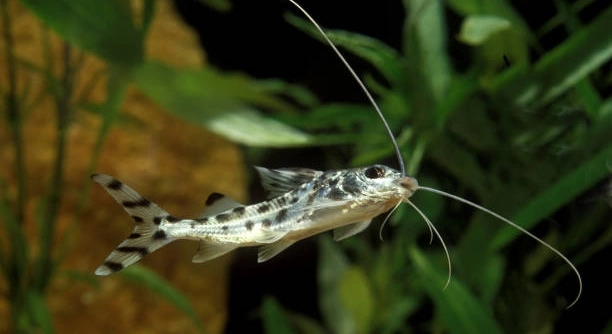
Are your pictus catfish hiding more than usual? These peaceful fish sometimes become shy, which can be worrying for aquarium owners who want to see them active and healthy. Understanding their behavior helps create a better home environment for them.
Pictus catfish may become shy due to changes in water quality, inadequate hiding spaces, stress from tank mates, improper lighting, insufficient food, disease, or sudden environmental changes. These factors directly affect their comfort and willingness to explore the aquarium.
Recognizing these reasons can help you improve your catfish’s environment and encourage them to be more confident and active in your tank.
Water Quality Changes
Pictus catfish are very sensitive to water conditions. When water parameters like pH, ammonia, nitrite, or nitrate levels shift suddenly, these fish become stressed and tend to hide more. Even small fluctuations can make them feel unsafe. Regular water testing and partial water changes keep the tank stable. This stability encourages your catfish to swim freely and show their natural behavior. Keeping a consistent temperature also matters. If the water gets too cold or too warm, the catfish will likely retreat to hiding spots. Many owners don’t realize that everyday tasks like adding new fish or cleaning can change water quality temporarily. These changes can cause your pictus catfish to act shy until conditions improve. Maintaining good filtration and avoiding overfeeding also help keep water clear and safe for your catfish.
Sudden water quality shifts cause pictus catfish to hide due to increased stress and discomfort.
Checking water parameters regularly and maintaining a clean environment will help your catfish feel secure and active.
Lack of Hiding Places
Pictus catfish need places to hide and feel safe. Without enough hiding spots like plants, caves, or decorations, they may become shy or stressed. These fish are nocturnal and prefer dimmer areas where they can rest during the day. If the tank is too open, they might constantly seek shelter, making them less visible. Providing various hiding places helps them reduce stress and encourages natural behavior. You can use smooth rocks, driftwood, or aquarium-safe ornaments to create cozy spots. Plants, both live or artificial, also offer cover. The hiding spots should be large enough for the catfish to enter easily. Changing the tank layout sometimes can refresh their environment and reduce boredom, but always keep enough shelters. A well-decorated tank mimics their natural habitat and supports their well-being, reducing shyness.
Adding sufficient hiding places creates a comfortable environment that reduces stress and encourages activity in pictus catfish.
Stress from Tank Mates
Aggressive or overly active tank mates can cause pictus catfish to hide more often. These catfish prefer peaceful community tanks and avoid confrontation. Stress from constant chasing or competition lowers their comfort level.
When pictus catfish share a tank with aggressive fish, they often retreat to hiding places to avoid conflict. Fish that nip fins or dominate territory create an unsafe environment for the catfish. It is important to choose compatible species that won’t stress them out. Calm, non-aggressive fish encourage pictus catfish to be more visible and active. Overcrowding also increases stress because it limits personal space and hiding spots. Providing enough room and peaceful companions helps keep stress low, improving your catfish’s behavior and overall health.
Monitoring interactions regularly helps identify stressful tank mates. Rehoming aggressive fish or separating species ensures pictus catfish feel safe and confident in their aquarium.
Improper Lighting
Bright or constant lighting can make pictus catfish shy. These fish prefer low light conditions or places with shade to feel secure during the day.
Too much light causes pictus catfish to hide, as they are naturally nocturnal and avoid bright environments. Strong lighting can stress them and reduce their activity levels. It’s best to provide dim lighting or areas where they can escape bright light. Using floating plants or dimmable aquarium lights can create a softer atmosphere. Turning off the lights for a few hours during the day simulates natural conditions, helping the catfish maintain a healthy routine. Consistent lighting schedules also support their natural behavior and reduce stress.
Adjusting lighting to match their needs creates a comfortable space where pictus catfish can explore confidently without feeling exposed.
Insufficient Food
Pictus catfish may hide if they feel hungry or if feeding is irregular. A lack of food makes them less active and more cautious.
Feeding small amounts several times a day suits their natural behavior better than one large meal. Consistent feeding times help build trust and reduce shyness.
Disease or Illness
Illness can cause pictus catfish to become withdrawn and hide more. Signs include faded color, clamped fins, or unusual swimming. Prompt treatment is essential to prevent worsening conditions.
Sudden Environmental Changes
Rapid changes in tank setup or water conditions stress pictus catfish. They need time to adjust to new surroundings or additions in the tank.
FAQ
Why is my pictus catfish hiding all the time?
Your pictus catfish may be hiding due to stress, poor water quality, lack of hiding places, or incompatible tank mates. They naturally seek shelter when feeling unsafe or uncomfortable. Checking water parameters and improving tank conditions often encourages them to be more active.
How can I help my pictus catfish become less shy?
Create a stable environment with clean water, plenty of hiding spots, and peaceful tank mates. Feeding regularly and adjusting lighting to a softer level also helps. Avoid sudden changes in the tank to reduce stress and build their confidence over time.
Are pictus catfish nocturnal?
Yes, pictus catfish are mostly active at night. During the day, they prefer hiding in shaded or covered areas. Understanding this natural behavior helps explain why they might seem shy or inactive during daylight hours.
What are the signs of stress in pictus catfish?
Signs include hiding excessively, reduced swimming, clamped fins, and loss of appetite. Stress can also cause color fading or erratic swimming. Early detection and correcting tank issues can improve their well-being quickly.
Can poor water quality make pictus catfish shy?
Absolutely. Changes in pH, ammonia, nitrites, or temperature can cause discomfort. Maintaining stable water conditions with regular testing and water changes is essential for their health and confidence.
How important are hiding places for pictus catfish?
Very important. These fish rely on hiding spots to feel safe, especially during the day. Providing caves, plants, and decorations mimics their natural habitat and reduces their shyness.
What tank mates are best for pictus catfish?
Choose peaceful species that don’t chase or bully. Avoid aggressive or overly active fish. Calm community fish help pictus catfish feel secure and encourage natural behavior.
Does lighting affect pictus catfish behavior?
Yes, bright lighting often causes them to hide. They prefer dim or shaded areas, so using soft lighting or plants to create shade makes them more comfortable.
How often should I feed pictus catfish?
Small amounts multiple times a day are ideal. This matches their natural feeding habits and keeps them active and less nervous about food availability.
What should I do if my pictus catfish looks sick?
Isolate the fish if possible and consult a vet or fish specialist. Monitor water quality and check for symptoms like fin damage, unusual spots, or lethargy. Prompt treatment helps prevent serious health issues.
Can sudden changes in the tank cause my catfish to hide?
Yes, sudden changes like adding new fish, rearranging decorations, or changing water can stress them. They need time to adjust, so keeping changes gradual helps them stay confident.
Is overcrowding a problem for pictus catfish?
Overcrowding increases stress by limiting space and hiding spots. This can make catfish shy and less active. Ensure your tank size matches the number of fish and provide enough shelter.
How can I tell if my pictus catfish is happy?
A confident pictus catfish swims openly, explores its environment, and eats well. Bright colors and normal swimming patterns indicate good health and low stress.
Are pictus catfish social fish?
Yes, they prefer living in groups of at least three to five. Social interaction reduces stress and encourages natural behavior, making them more active and less shy.
What is the best tank setup for pictus catfish?
A setup with soft substrate, plenty of hiding places, gentle water flow, and stable water conditions is ideal. Moderate lighting and peaceful tank mates complete a comfortable home for these fish.
Pictus catfish are wonderful fish to keep in a home aquarium, but their shy behavior can sometimes be confusing or concerning. Understanding the common reasons behind their shyness helps create a better environment for them. Many factors affect their comfort, including water quality, tank setup, lighting, and tank mates. By paying attention to these elements, it becomes easier to encourage your catfish to come out and be more active. A well-maintained tank with stable conditions gives pictus catfish the chance to show their natural and lively behavior.
Creating enough hiding spots is important because pictus catfish are naturally cautious. They need safe places where they can retreat and feel secure. Without these, they may stay hidden for long periods, which can make them seem unhealthy or stressed. Including plants, caves, or decorations that offer shelter will improve their well-being. Alongside proper tank decoration, feeding them regularly and choosing peaceful fish companions can reduce stress. When pictus catfish feel less threatened, they become more curious and visible in the aquarium.
Maintaining consistent care is key to keeping pictus catfish comfortable and confident. Regular water testing, avoiding sudden changes in the tank, and ensuring a calm environment all play a role. Being patient and observing your fish closely helps you notice signs of stress or illness early. This allows timely adjustments that improve their quality of life. With the right setup and care, pictus catfish can thrive and become active, interesting additions to any aquarium. Their shy nature often reflects their environment, so small changes can make a big difference in how they behave.

Hello,
If you enjoy the content that we create, please consider saying a "Thank You!" by leaving a tip.
Every little bit helps us continue crafting quality advice that supports the health, happiness, and well-being of pets around the world, for pets of all shapes, sizes, and species.
We really appreciate the kindness and support that you show us!