
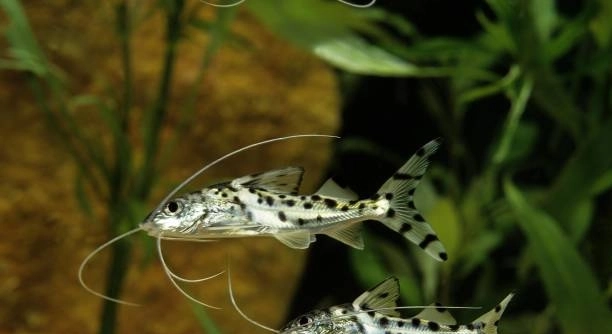
Is your pictus catfish showing signs of restlessness or slowed growth? These peaceful fish need enough space to thrive and stay healthy in your aquarium. Knowing when to upgrade their tank is key for their well-being.
Pictus catfish require adequate swimming space and stable water conditions to maintain health and activity. A tank that is too small can lead to stress, poor growth, and increased susceptibility to disease. Monitoring behavior and physical changes helps determine when a larger tank is necessary.
Recognizing these signs early can help you provide a better home for your pictus and prevent future problems. This guide will help you spot the clues that indicate it’s time for a bigger tank.
Increased Swimming Restlessness
When your pictus catfish starts swimming more actively than usual or seems restless, it may be a sign that it needs more space. These fish naturally enjoy gliding through open water, and a small tank can feel confining. Restlessness can lead to stress, which affects their immune system and overall health. If you notice your pictus darting around the tank or constantly exploring the same spots, it’s time to consider a larger tank. Providing enough room helps them express natural behaviors and stay comfortable.
Restlessness is often one of the first signs a pictus is outgrowing its tank.
A larger aquarium will give your pictus room to swim freely and reduce stress levels. More space also allows for better water quality and less competition among tank mates. Moving to a bigger tank supports their natural activity patterns and helps them stay healthy and happy over time.
Physical Growth and Size Limitations
Pictus catfish can grow quite large, sometimes reaching up to six inches or more. When they outgrow their current tank, their movement becomes restricted, and their fins may start to look cramped. A small tank limits their development and can stunt growth. Keeping them in a spacious environment allows them to reach their full size naturally. Additionally, a bigger tank means better filtration and cleaner water, which is essential for larger fish. To maintain a healthy pictus, it’s important to upgrade the tank size as they grow.
A larger tank is necessary for the proper growth and health of pictus catfish.
As pictus grow, they require a tank that is at least 30 gallons to comfortably accommodate their size and swimming habits. If your tank is smaller, it may cause physical stress and affect their lifespan. Monitoring their size and providing an adequately sized tank will help avoid these problems. Upgrading the tank also allows for more plants, hiding places, and tank mates, creating a balanced and enriching environment. Ensuring enough room for growth supports not only the physical health of your pictus but also their behavior and wellbeing.
Signs of Stress and Health Issues
Stress in pictus catfish often shows through changes in behavior or appearance. If your fish seems lethargic, hides more than usual, or develops torn fins, the tank might be too small. Poor water quality from an overcrowded tank can also cause illness.
Stress weakens a pictus’s immune system, making it vulnerable to infections. When space is limited, they may become aggressive or avoid other fish, disrupting the tank’s harmony. Smaller tanks often have fluctuating water parameters, which adds to the stress. A larger tank helps stabilize the environment and gives your pictus the room to swim freely. Improving water quality and reducing stress through a bigger tank will boost their health and longevity.
Keeping a pictus in a cramped space leads to faster buildup of toxins, which causes diseases. By upgrading to a larger tank, you provide better filtration and healthier living conditions, preventing common health problems linked to stress and poor water quality.
Changes in Social Behavior
Pictus catfish are social creatures that prefer groups. If your pictus starts avoiding others or shows signs of aggression, it may be due to lack of space. A bigger tank helps maintain peaceful social interactions.
Limited space can lead to competition for hiding spots and food, causing tension among tank mates. In a larger tank, each fish can find its own territory, which reduces conflicts. More room also means better distribution of oxygen and stable water conditions, which support social behavior. Giving your pictus enough space promotes natural schooling behavior and reduces stress. Observing these changes in behavior helps you decide when a tank upgrade is needed.
Proper social interaction is important for pictus wellbeing. When their environment is crowded, stress increases, which impacts health and happiness. Expanding the tank allows them to thrive socially and physically.
Frequent Water Quality Issues
Small tanks are harder to keep clean and stable, leading to frequent water quality problems. High ammonia and nitrate levels stress pictus catfish and can cause illness.
Regular water changes help, but they may not be enough in cramped conditions. A larger tank offers better dilution of waste and more stable water parameters, keeping your pictus healthier.
Limited Hiding Spots and Territory
Pictus catfish need hiding places to feel safe. When a tank is too small, there aren’t enough spots, causing stress and territorial disputes.
Providing plenty of hiding areas in a larger tank helps reduce aggression and supports natural behavior, making your pictus more comfortable and relaxed.
Slow or Stunted Growth
A small tank can stunt your pictus’s growth by restricting movement and causing stress. Over time, this affects their overall health and lifespan.
Upgrading to a larger tank allows your pictus to grow naturally and stay active, which promotes better health and longevity.
FAQ
How do I know when my pictus catfish needs a bigger tank?
You can tell your pictus needs more space if it shows signs of restlessness, stress, or slowed growth. Behavioral changes like hiding, aggression, or constant swimming near the surface may also indicate that the tank is too small. Physical signs like cramped fins or a smaller size than expected can also mean it’s time to upgrade.
Can I keep multiple pictus catfish in a small tank?
Keeping several pictus in a small tank is not recommended. They are active swimmers and need space to avoid stress and territorial disputes. Overcrowding can cause poor water quality and increase disease risk. A larger tank helps maintain social harmony and better water conditions for multiple fish.
What is the minimum tank size for one pictus catfish?
A minimum of 30 gallons is recommended for one pictus catfish. This size provides enough swimming space and allows for stable water conditions. If you plan to keep more than one or add other fish, you will need a larger tank accordingly.
How often should I clean a tank with pictus catfish?
Frequent water changes are important to keep ammonia and nitrate levels low. In smaller tanks, weekly changes of 20-30% are common. Larger tanks may require less frequent maintenance but still need regular cleaning to ensure a healthy environment.
What are the risks of keeping a pictus catfish in a small tank?
Small tanks can cause stress, poor growth, and weakened immune systems in pictus catfish. Limited swimming space leads to abnormal behavior and territorial aggression. Water quality issues in small tanks increase the risk of disease and shorten the fish’s lifespan.
Can I add plants and decorations in a bigger tank?
Yes, adding plants and decorations in a larger tank creates hiding spots and reduces stress. Live plants improve water quality by absorbing nitrates, and decorations offer territory boundaries, making your pictus feel safe and more at ease.
How do I transition my pictus catfish to a bigger tank?
Move your pictus slowly to the new tank to reduce stress. Use water from the old tank to help them adjust to the new environment. Monitor water parameters closely during the first few weeks and maintain stable conditions for a smooth transition.
What tank mates work well with pictus catfish?
Peaceful, similarly sized fish are best tank mates for pictus catfish. Avoid aggressive or very small fish, as pictus may stress or harm them. Suitable companions include tetras, danios, and other calm community fish that share similar water requirements.
How do I prevent stress in pictus catfish?
Provide enough space, stable water conditions, and plenty of hiding places. Avoid overcrowding and sudden changes in water parameters. Keeping a consistent feeding schedule and maintaining a clean tank will also help your pictus stay calm and healthy.
What should I do if my pictus shows signs of illness?
If you notice lethargy, torn fins, or unusual behavior, test your water quality immediately. Poor water parameters are often the cause of illness. Perform a partial water change, check for tank mates’ compatibility, and consider consulting a vet or aquarium specialist if symptoms persist.
These answers aim to help you understand your pictus catfish better and create the best environment for its health and happiness.
When caring for a pictus catfish, providing enough space is one of the most important things to keep in mind. These fish are active swimmers and need room to move freely. A tank that is too small can cause stress, health problems, and limit their natural behavior. Upgrading to a bigger tank when needed helps your pictus stay healthy and comfortable. Watching for signs like restlessness, changes in behavior, or slowed growth can guide you in making the right choice. It is better to give them more space before problems start.
A larger tank not only gives your pictus more room to swim, but it also improves water quality. Small tanks often have unstable water conditions, which can harm your fish. Bigger tanks allow for better filtration and less buildup of harmful substances. This creates a healthier environment and lowers the risk of disease. Adding plants and hiding spots in a bigger tank also makes your pictus feel safer and reduces stress. All these factors together improve the overall wellbeing of your fish and help it live longer.
Taking care of a pictus catfish means paying attention to its needs and environment. When you notice signs that the tank is too small, it is important to act quickly. Moving to a bigger tank gives your pictus a better quality of life and supports natural behaviors. Regular maintenance, like water changes and monitoring water quality, will keep the tank healthy as your fish grows. With enough space and proper care, your pictus catfish can thrive and be a lively part of your aquarium for years.

Hello,
If you enjoy the content that we create, please consider saying a "Thank You!" by leaving a tip.
Every little bit helps us continue crafting quality advice that supports the health, happiness, and well-being of pets around the world, for pets of all shapes, sizes, and species.
We really appreciate the kindness and support that you show us!