
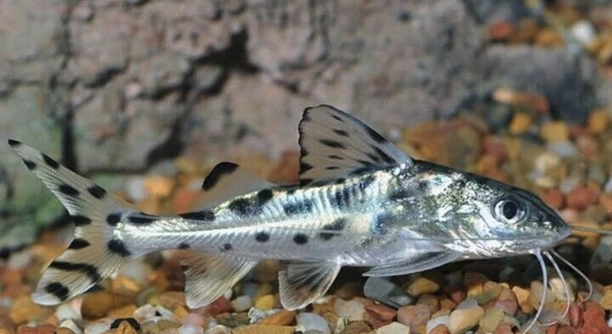
Many aquarium owners enjoy keeping Pictus Catfish because of their active nature and striking appearance. These fish need the right water conditions to stay healthy and happy. Understanding their water needs is important for a thriving tank environment.
Tap water can be used for Pictus Catfish if it is properly treated to remove chlorine, chloramine, and heavy metals. Testing and adjusting the water parameters, such as pH and hardness, is necessary to ensure a safe and stable habitat for these fish.
Knowing how to prepare tap water correctly will help maintain your catfish’s well-being. This article will guide you through the simple steps to make tap water suitable for your Pictus Catfish.
Why Tap Water Needs Treatment for Pictus Catfish
Tap water often contains chemicals like chlorine and chloramine, which are added to make it safe for human use. However, these chemicals are harmful to fish, including Pictus Catfish. If left untreated, they can damage the fish’s gills and overall health. Additionally, tap water may have heavy metals such as copper or lead that come from old pipes. These metals can build up in the aquarium and stress or poison the fish over time.
Treating tap water before adding it to the tank is essential. Using a water conditioner can neutralize chlorine and chloramine quickly. Testing the water’s pH, hardness, and temperature ensures it matches what Pictus Catfish need. These fish prefer a pH between 6.5 and 7.5 and moderate hardness. Keeping these factors in check helps maintain a stable environment, promoting the catfish’s well-being and activity levels.
By regularly preparing tap water this way, you reduce risks and support your catfish’s health. Clean, balanced water creates a better home for them to thrive.
Importance of Stable Water Conditions
Pictus Catfish need consistent water conditions to stay healthy and active. Sudden changes can stress them.
Stable pH and temperature levels reduce stress and prevent illness. Frequent testing helps maintain this stability. Regular partial water changes with treated tap water keep the tank clean and safe for the catfish over time.
Preparing Tap Water for Your Pictus Catfish
Using a water conditioner is the easiest way to make tap water safe for your Pictus Catfish. It removes harmful chemicals instantly.
Water conditioners are widely available and simple to use. Just follow the instructions on the bottle, and it will neutralize chlorine and chloramine in your tap water. These conditioners also bind heavy metals, making the water safer for your fish. After treatment, test the water’s pH and hardness to make sure they fit the catfish’s needs. This preparation helps prevent stress and health problems in your fish, keeping them active and healthy.
In addition to conditioners, letting tap water sit for 24 hours can help release chlorine, but it won’t remove chloramine. That’s why conditioners are necessary. Keeping your aquarium’s water clean and balanced requires this extra step, which is worth it to protect your Pictus Catfish.
Monitoring Water Parameters for a Healthy Tank
Regular testing of water parameters helps avoid problems and ensures a healthy environment.
Use a reliable test kit to check pH, ammonia, nitrites, and nitrates regularly. Pictus Catfish prefer a slightly acidic to neutral pH and very low ammonia and nitrite levels. Keeping these parameters stable avoids stress and disease. Temperature is important too, ideally between 75°F and 80°F (24°C–27°C). Sudden changes in any of these can harm your catfish quickly. By monitoring water parameters and making adjustments as needed, you create a stable and comfortable home for your fish. This care is key to their long-term health and happiness.
Changing Tap Water Safely
Always use treated tap water for water changes. Untreated tap water can harm your Pictus Catfish quickly.
Perform partial water changes regularly, about 20-30% weekly. This helps keep the tank clean without shocking the fish. Make sure the new water matches the tank’s temperature and parameters before adding it.
Avoiding Common Water Problems
Hard water and sudden pH shifts can stress Pictus Catfish. Watch for cloudy water or unusual smells as signs of issues. Fix these by adjusting water parameters slowly to avoid shocking your fish.
Using Filters With Tap Water
A good filter removes waste and keeps the water clear. It also helps maintain stable water chemistry, making tap water safer for your catfish.
Temperature Control Tips
Keep the water temperature steady, between 75°F and 80°F. Use a reliable heater and thermometer to avoid sudden changes that stress your fish.
FAQ
Can I use tap water directly without any treatment for my Pictus Catfish?
No, using tap water without treatment is risky. Tap water usually contains chlorine or chloramine, which are harmful to fish. These chemicals can damage your catfish’s gills and cause stress or illness. Always treat tap water with a water conditioner to neutralize these chemicals before adding it to the tank.
How often should I change the water in my Pictus Catfish tank?
Partial water changes of about 20-30% should be done every week. This helps remove waste and toxins while keeping the water stable. Avoid doing large or frequent changes because sudden shifts in water parameters can stress your fish.
What type of water conditioner should I use?
Choose a water conditioner that removes chlorine, chloramine, and heavy metals. Most pet stores carry these, and many are designed specifically for freshwater fish tanks. Follow the instructions on the label for the right dosage based on your tank size.
Is it necessary to test tap water before using it?
Yes, testing is important. Tap water varies depending on location and source. Check for pH, hardness, ammonia, nitrites, and nitrates. Knowing these levels helps you adjust the water to suit your catfish, preventing health issues and promoting a stable tank environment.
What pH range is best for Pictus Catfish?
Pictus Catfish prefer a pH between 6.5 and 7.5. Keeping the pH stable within this range is important. Sudden pH changes can stress or harm the fish, so monitor it regularly and adjust slowly if needed.
Can I use bottled or distilled water instead of tap water?
Bottled or distilled water is not ideal because it often lacks the minerals fish need. These waters can cause imbalances in your tank’s chemistry. If you use them, be sure to add aquarium-safe minerals or mix them with treated tap water.
How important is water temperature for Pictus Catfish?
Water temperature is very important. Pictus Catfish thrive between 75°F and 80°F (24°C–27°C). Temperatures outside this range can weaken their immune system and make them more prone to disease. Use a heater and thermometer to keep the temperature steady.
What signs indicate water quality problems in my tank?
Watch for cloudy water, bad smells, or your catfish showing unusual behavior like gasping at the surface or hiding excessively. These signs suggest poor water quality. Test your water and perform partial changes as needed to improve conditions.
How long should I let tap water sit before adding it to the tank?
Letting tap water sit for 24 hours can help chlorine evaporate, but it won’t remove chloramine, which is more common in many water supplies today. That’s why using a water conditioner is necessary, regardless of how long you let the water sit.
Can I mix tap water with other water sources for my tank?
Yes, mixing treated tap water with other sources like filtered water can be done, but always ensure the final water matches the ideal parameters for your Pictus Catfish. Avoid drastic changes in pH or hardness by testing and adjusting accordingly.
Does the source of my tap water affect how I treat it?
Yes, the quality and composition of tap water depend on your local water supply. Some areas have harder water or higher mineral content. It’s important to test your water regularly and adjust treatment to maintain a safe environment for your catfish.
What happens if I don’t remove chloramine from tap water?
Chloramine is a stable compound and does not evaporate like chlorine. If not removed, it can cause gill damage and stress your fish. Always use a water conditioner that specifically neutralizes chloramine.
Are there natural ways to treat tap water?
Some hobbyists use activated carbon filters or live plants to help improve water quality. However, these methods don’t replace the need for a proper water conditioner to remove harmful chemicals before adding water to your tank.
How can I prevent sudden changes in water parameters during water changes?
Match the temperature and chemical parameters of the new water as closely as possible to the tank water. Add new water slowly, preferably over 30 minutes or more, to reduce stress on your catfish.
Is it okay to use tap water for other fish species with Pictus Catfish?
If the water is treated and parameters are stable, tap water can be safe for many freshwater fish species. However, always research the specific needs of all your tank inhabitants to ensure compatibility.
What equipment helps maintain good water quality with tap water?
Using a reliable filter, heater, and test kits is essential. The filter removes waste and toxins, the heater maintains stable temperature, and test kits allow you to monitor water parameters regularly to keep your catfish healthy.
Using tap water for your Pictus Catfish is possible, but it requires careful preparation. Tap water often contains chemicals like chlorine and chloramine that are harmful to fish. Treating the water with a good water conditioner is essential before adding it to the tank. This step removes those chemicals and makes the water safe for your catfish. Additionally, testing the water’s pH, hardness, and temperature helps ensure it matches what your fish need. Keeping these factors stable is important for their health and comfort.
Regular maintenance is key to keeping your Pictus Catfish healthy when using tap water. Partial water changes of about 20 to 30 percent every week help remove waste and toxins. Always use treated water for these changes, and make sure the new water’s temperature and chemistry are close to the tank’s current conditions. Sudden changes in water quality or temperature can stress your catfish, which might lead to illness. Using a good filter and monitoring water parameters regularly supports a stable and clean environment.
Overall, using tap water with proper treatment and care works well for Pictus Catfish. Paying attention to water quality and keeping parameters steady creates a safe home for your fish. Although it takes some effort, treating tap water is a simple and effective way to maintain a healthy aquarium. By following these guidelines, your Pictus Catfish can live comfortably and stay active, making your tank a more enjoyable place to watch and care for.

Hello,
If you enjoy the content that we create, please consider saying a "Thank You!" by leaving a tip.
Every little bit helps us continue crafting quality advice that supports the health, happiness, and well-being of pets around the world, for pets of all shapes, sizes, and species.
We really appreciate the kindness and support that you show us!