
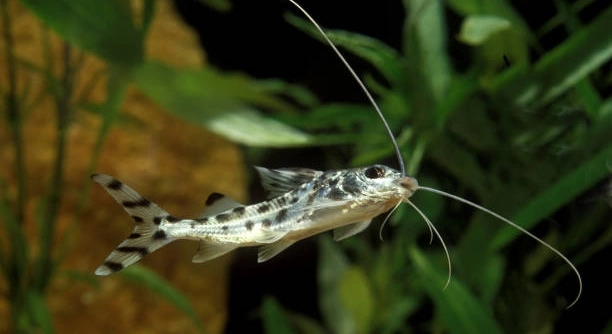
Are you considering adding Pictus catfish to a tank with gouramis? Both species are popular among aquarium enthusiasts for their unique behaviors and appearance. Understanding their compatibility can help maintain a peaceful community aquarium environment.
Pictus catfish and gouramis can coexist, but compatibility depends on tank size, temperament, and hiding spaces. Pictus catfish are active and may nip fins, while gouramis are territorial. Proper management reduces stress and aggressive behavior.
Learning the dynamics between these species helps create a balanced and peaceful tank. Knowing what to expect can improve the well-being of your aquatic pets.
Understanding Pictus Catfish Behavior
Pictus catfish are known for their energetic swimming and social nature. They prefer to live in groups of at least three to five, which helps reduce their nervousness. These fish are bottom dwellers and spend much of their time exploring the substrate and corners of the tank. They are generally peaceful but can sometimes nip at slower-moving or long-finned fish. This behavior is often due to curiosity or competition for space rather than aggression. Pictus catfish also require plenty of hiding spots such as caves or dense plants to feel secure. Without adequate shelter, their stress levels can rise, leading to increased activity or fin nipping. They prefer slightly cooler water and a well-oxygenated environment, which aligns well with many gourami species. Proper tank maintenance and monitoring are key to maintaining harmony between Pictus catfish and their tank mates.
Creating an environment with ample hiding places reduces tension and promotes peaceful coexistence.
Pictus catfish’s energetic nature can sometimes clash with gouramis, who prefer calm waters and more stable territories. Providing distinct zones within the tank helps each species claim their own space. Gouramis tend to stay near the middle or top areas, while Pictus remain mostly at the bottom. This natural separation helps minimize direct interactions and potential conflicts. Observing their behavior regularly ensures any signs of stress or aggression are caught early. Adjusting tank decor or adding more plants can improve comfort for both species. Feeding routines should consider the bottom-feeding habits of Pictus catfish while meeting the dietary needs of gouramis. Balancing these factors leads to a healthier, more peaceful aquarium environment.
Tank Setup for Compatibility
A well-planned tank setup is essential to support both Pictus catfish and gouramis.
The tank should be spacious, ideally over 30 gallons, to accommodate their activity levels and territorial needs.
Providing dense vegetation and hiding spots is crucial to reduce stress. Pictus catfish benefit from caves and shaded areas, while gouramis appreciate floating plants that create calm zones near the surface. The substrate should be soft enough to protect Pictus catfish’s sensitive barbels but firm enough to support plants. Using a good filtration system keeps the water clean and well-oxygenated, which suits both species. Temperature control is important; maintaining water between 72-78°F creates a comfortable environment for both fish. Regular water changes and monitoring water parameters are necessary to prevent illness and maintain balance. Arranging the tank to allow separate territories and visual barriers supports coexistence. This careful planning increases the chances of a harmonious community tank with Pictus catfish and gouramis.
Feeding Considerations for Pictus Catfish and Gouramis
Both Pictus catfish and gouramis have different feeding habits that need to be managed carefully. Pictus catfish are bottom feeders, while gouramis typically feed near the surface or mid-level of the tank. Feeding should be timed and portioned to meet both species’ needs without competition.
Pictus catfish prefer sinking pellets, live or frozen foods like bloodworms, and small insects. They rely on the bottom of the tank for most of their meals. It’s important to ensure food reaches them, especially when sharing a tank with gouramis that feed higher up. Gouramis, on the other hand, enjoy flakes, pellets, and frozen foods like brine shrimp. Feeding in different tank zones helps both species get their nutrition without stress or fighting over food.
Overfeeding can cause water quality issues, so portion control is key. Offering a varied diet benefits both fish by providing essential nutrients. Observing their feeding behavior helps adjust portions and timing as needed. Feeding both species separately at times can reduce competition and stress, promoting better health for the entire aquarium.
Signs of Incompatibility to Watch For
Watch for signs of fin nipping, stress, or hiding, which often indicate tension between Pictus catfish and gouramis. These behaviors suggest the need for changes in tank setup or stocking.
If Pictus catfish become overly active or aggressive, it may disturb gouramis, who prefer calm surroundings. Gouramis that hide excessively or lose color might be stressed by their tank mates. Poor water conditions or overcrowding can worsen these issues. Adjusting decorations to increase hiding spots or providing a larger tank can reduce conflict. Sometimes, separating fish or rehoming one species is necessary for overall tank health. Early intervention prevents injury and promotes a peaceful environment. Regular observation is essential to maintain harmony and detect problems before they escalate.
Tank Maintenance Tips
Regular water changes are essential to keep the tank environment healthy for both Pictus catfish and gouramis. Clean water reduces stress and prevents disease.
Monitor water parameters like ammonia, nitrite, and nitrate levels weekly to ensure stability. Proper filtration supports water quality and oxygenation.
Ideal Water Conditions
Both species thrive in slightly acidic to neutral pH, ranging from 6.5 to 7.5. Temperature should be kept between 72°F and 78°F. Stable conditions reduce stress and encourage healthy behavior.
Maintaining clean water with good oxygen flow is crucial. Avoid sudden changes in temperature or pH, which can upset both fish. Regular testing and consistent care are important for a balanced tank environment.
Behavior Monitoring
Regularly watch interactions between Pictus catfish and gouramis to catch early signs of stress or aggression.
Prompt action helps maintain harmony and prevents injuries.
FAQ
Are Pictus catfish aggressive toward gouramis?
Pictus catfish are generally peaceful but can sometimes nip at the fins of slower or long-finned fish like gouramis. This behavior is not usually aggressive but more related to curiosity or competition for space. Providing plenty of hiding places helps reduce this nipping and creates a calmer environment for both species.
Can Pictus catfish and gouramis live together in a small tank?
A small tank is not recommended for keeping Pictus catfish and gouramis together. Both species need enough space to establish their own territories and avoid stress. A minimum of 30 gallons is suggested to provide sufficient swimming space and hiding spots for each species.
What kind of plants work best with Pictus catfish and gouramis?
Both species appreciate live plants that offer cover. Floating plants create shaded areas preferred by gouramis, while sturdy, rooted plants and caves serve as hiding spots for Pictus catfish. Plants such as Java fern, Anubias, and Amazon sword are suitable because they tolerate the activity of bottom dwellers and provide shelter.
How often should I feed Pictus catfish and gouramis?
Feeding should occur once or twice daily, with careful portion control to avoid leftover food that can pollute the tank. Pictus catfish prefer sinking pellets or live foods, while gouramis do well with flakes and frozen options. Feeding in different areas of the tank helps ensure both species get their share.
What water parameters should I maintain?
Keep the pH between 6.5 and 7.5 and temperature around 72°F to 78°F. Stable conditions with good oxygenation are important. Regular water testing and weekly partial water changes keep these parameters within safe limits.
Do Pictus catfish need to be kept in groups?
Yes, Pictus catfish are social fish that do best in groups of at least three to five. Keeping them alone can cause stress and increase the chance of fin nipping. Groups help reduce nervous behavior and make them feel more secure.
Are gouramis territorial?
Gouramis can be territorial, especially males. They may become aggressive if their space is invaded. Providing ample hiding spots and space reduces territorial disputes and promotes peaceful interactions with Pictus catfish.
What are common signs of stress in these fish?
Signs include hiding more than usual, loss of color, fin damage, and erratic swimming. If these symptoms appear, check water quality and tank setup. Adjustments like adding plants or increasing tank size can help reduce stress.
Can these species tolerate the same temperature?
Yes, both Pictus catfish and gouramis thrive within the same temperature range of 72°F to 78°F. Maintaining a stable temperature within this range is crucial for their health and reduces stress.
What should I do if aggression occurs?
If aggression is noticed, increase hiding spots and rearrange tank decorations to break line of sight. If problems persist, consider separating the fish temporarily or permanently to protect their well-being. Early intervention is key to maintaining peace.
Is it necessary to quarantine new fish before adding them to the tank?
Quarantining new fish for at least two weeks is highly recommended. This practice prevents the introduction of diseases and allows observation of any aggressive behavior before mixing with existing fish.
How can I tell if my Pictus catfish is healthy?
Healthy Pictus catfish are active, have clear eyes, intact fins, and smooth skin. They should eat regularly and interact calmly with tank mates. Any signs of lethargy or fin damage may indicate health issues.
What substrate is best for a tank with these fish?
Soft, smooth substrate like sand or fine gravel is ideal. It protects the sensitive barbels of Pictus catfish while supporting plant growth. Sharp or rough substrates can cause injury and stress.
Do Pictus catfish and gouramis have similar dietary needs?
Their diets overlap but differ in feeding habits. Pictus catfish are bottom feeders needing protein-rich sinking foods. Gouramis prefer flakes or pellets floating near the surface. Offering a varied diet suited to each species promotes health.
How do I reduce fin nipping in the tank?
Providing enough space, hiding places, and keeping Pictus catfish in groups can reduce fin nipping. Avoid overcrowding and ensure all fish are well-fed to minimize aggressive or curious biting behaviors.
Final Thoughts
Keeping Pictus catfish and gouramis together in the same aquarium can work well when the right conditions are

Hello,
If you enjoy the content that we create, please consider saying a "Thank You!" by leaving a tip.
Every little bit helps us continue crafting quality advice that supports the health, happiness, and well-being of pets around the world, for pets of all shapes, sizes, and species.
We really appreciate the kindness and support that you show us!