
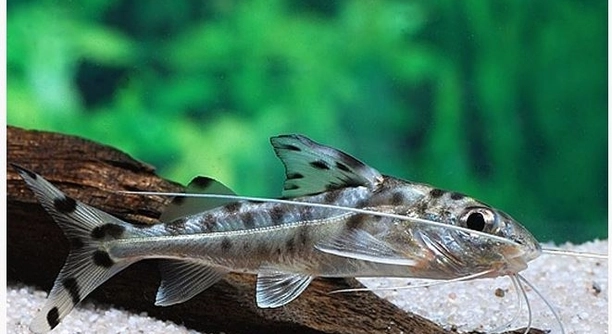
Are you interested in keeping Pictus catfish healthy and happy in your aquarium? These active fish have unique behaviors that can influence how they interact with other tank inhabitants. Their environment plays a key role in their well-being.
Pictus catfish generally thrive better in species-only tanks where competition and stress are minimized. Mixed community tanks can lead to territorial disputes and limited hiding spaces, which negatively affect their natural behaviors and overall health.
Understanding the benefits and challenges of different tank setups can help you create the best home for your Pictus catfish. This article will explore these factors in detail.
Pictus Catfish Behavior in Community Tanks
Pictus catfish are naturally active and social fish, but they have specific needs that can be difficult to meet in community tanks. They tend to swim quickly and explore the tank constantly, which can stress slower or more timid fish. Additionally, Pictus catfish prefer to have plenty of hiding spots and open swimming areas. In community tanks, larger or more aggressive species may dominate these spaces, making it hard for Pictus catfish to feel secure. When stressed, they may hide excessively or show signs of poor health. This behavior highlights the importance of tank mates that are compatible in activity level and temperament. Keeping Pictus catfish in a species-only tank often ensures they receive the space and environment they need. It allows them to swim freely without fear and reduces stress from territorial conflicts.
Pictus catfish can tolerate some tank mates but thrive best with peaceful, similarly sized species. Compatibility is key to their comfort.
Some aquarists try mixing Pictus catfish with small schooling fish or non-aggressive bottom dwellers. While this can work, it requires careful observation to ensure no one is stressed or bullied. Avoid fish that are overly territorial or slow swimmers. Proper tank size and layout are also crucial for maintaining balance. Regular monitoring and adjustments help maintain a peaceful environment. However, a species-only tank eliminates many risks, making care simpler and more predictable.
Benefits of Species-Only Tanks for Pictus Catfish
A species-only tank offers a controlled environment where Pictus catfish can exhibit natural behaviors without interference.
In a tank reserved solely for Pictus catfish, competition for food and space is reduced, which lowers stress and improves health. These tanks can be arranged with the right decorations and hiding spots tailored to their needs. This setup promotes better social interactions among the catfish, allowing them to establish natural hierarchies without outside pressure. Species-only tanks also make it easier to monitor the group’s health and behavior since all fish share the same species-specific requirements. This focused care often leads to longer lifespans and a more active, visible tank. By eliminating incompatible species, aquarists can provide an optimal environment that supports the well-being of their Pictus catfish.
Tank Setup Considerations for Pictus Catfish
A proper tank setup is crucial for Pictus catfish to thrive. They need plenty of swimming space, hiding spots, and a clean environment to stay healthy.
Soft substrate like sand or smooth gravel is best, as Pictus catfish like to dig and search for food. Sharp or rough surfaces can injure their sensitive barbels. Providing caves, driftwood, and plants gives them places to hide and rest. These elements reduce stress by offering security and mimicking their natural habitat. Good water flow and aeration also keep oxygen levels high, which Pictus catfish prefer. Regular water changes are essential because these fish are sensitive to poor water quality.
Lighting should be moderate, not too bright, to avoid stressing the fish. Adding floating plants can help diffuse light and create shaded areas. Lastly, avoid overcrowding the tank; Pictus catfish are active swimmers and need space to move comfortably.
Feeding Practices and Diet
Pictus catfish are omnivores with a diet that includes both animal and plant matter. Feeding them a balanced diet supports their health and vibrant activity.
They enjoy sinking pellets, wafers, and frozen or live foods like bloodworms, brine shrimp, and small insects. Occasional vegetables like blanched zucchini or cucumber can add variety. Feeding should be done once or twice daily, with amounts that can be consumed within a few minutes to prevent leftover food from polluting the tank. Overfeeding may lead to water quality issues and health problems. Pictus catfish also use their barbels to find food, so offering food that sinks to the bottom encourages natural foraging behavior. Monitoring their feeding habits helps detect health issues early, as a loss of appetite can indicate stress or illness.
Common Health Issues in Mixed Tanks
Pictus catfish can suffer from stress-related illnesses in mixed tanks. Stress lowers their immune system, making them prone to infections and parasites.
Aggressive tank mates may nip at their fins or chase them, causing injuries. Poor water quality from overcrowding also increases disease risk. Monitoring behavior and maintaining clean conditions are essential for preventing health problems.
Ideal Tank Mates for Pictus Catfish
Choosing peaceful, non-aggressive fish that share similar water requirements helps maintain harmony. Species like small tetras, danios, and rasboras can work well if the tank is large enough.
Avoid slow-moving or territorial fish that may compete for space or food. Proper compatibility reduces stress and promotes natural behavior for all fish.
Water Parameters for Pictus Catfish
Pictus catfish prefer slightly acidic to neutral water with a pH between 6.5 and 7.5. Temperature should be stable, around 72–79°F (22–26°C). Regular testing ensures water quality remains optimal, supporting their health and activity.
Monitoring Behavior and Adjusting
Watching how Pictus catfish interact with tank mates helps identify problems early. Signs like hiding, aggression, or loss of appetite require prompt adjustments to tank conditions or stocking.
FAQ
Are Pictus catfish aggressive toward other fish?
Pictus catfish are generally peaceful but can become territorial, especially in smaller tanks. They usually do well with other active, non-aggressive fish that don’t compete for the same space. Stress and aggression often arise when hiding spots or swimming space are limited.
Can Pictus catfish live happily in community tanks?
Yes, but it depends on the tank setup and the species involved. Pictus catfish prefer species that won’t harass them or occupy their preferred bottom and mid-level swimming zones. Larger or aggressive fish can cause stress, so careful selection and monitoring are important.
How many Pictus catfish should be kept together?
It’s best to keep Pictus catfish in groups of at least three or more. They are social fish that feel safer and behave more naturally in groups. Smaller numbers can lead to stress or shy behavior. However, avoid overcrowding by providing enough space.
What size tank is ideal for Pictus catfish?
A minimum of 30 gallons is recommended for a small group of Pictus catfish. Larger tanks provide more swimming space and reduce territorial disputes. Space is important because these fish are active swimmers and need room to explore.
What type of substrate is best for Pictus catfish?
Soft sand or smooth gravel is preferred. Their barbels are sensitive and can be injured by sharp or rough substrates. A gentle substrate allows them to forage safely and comfortably. Avoid sharp decorations or gravel with rough edges.
How often should I feed Pictus catfish?
Feeding once or twice daily is sufficient. Offer an amount they can finish in a few minutes to avoid leftover food polluting the tank. Include sinking pellets and occasional live or frozen foods to vary their diet and support natural foraging.
Are Pictus catfish nocturnal?
They are primarily nocturnal but can be active during the day if the environment is calm and well-lit. Providing shaded areas and dim lighting helps them feel secure and encourages natural behavior.
Do Pictus catfish need hiding spots?
Yes, hiding spots are essential. Caves, plants, and driftwood offer refuge when they feel threatened or need rest. This reduces stress and encourages more natural activity patterns.
Can Pictus catfish be kept with shrimp or snails?
Small shrimp and snails might be at risk of being eaten. Pictus catfish are opportunistic feeders and may see small invertebrates as food. If keeping these species together, ensure enough hiding spaces and monitor interactions closely.
How do I know if my Pictus catfish is stressed?
Signs include excessive hiding, loss of appetite, rapid breathing, and faded color. Stress can result from poor water quality, incompatible tank mates, or lack of hiding places. Address these issues promptly to restore health.
What water conditions do Pictus catfish prefer?
They thrive in slightly acidic to neutral water, with a pH of 6.5 to 7.5, and temperatures between 72°F and 79°F (22–26°C). Stability in water parameters is key to their health and longevity.
Is it necessary to quarantine new fish with Pictus catfish?
Quarantining new fish before introducing them to the tank reduces the risk of disease transmission. Pictus catfish are sensitive to illness, so it’s best to ensure new tank mates are healthy.
How long do Pictus catfish live?
With proper care, Pictus catfish can live up to 8 years or more. Providing a suitable environment, balanced diet, and regular maintenance helps maximize their lifespan.
What should I do if my Pictus catfish stops eating?
Loss of appetite may signal stress, illness, or poor water conditions. Check water quality, look for signs of disease, and review tank mates’ behavior. Adjust feeding and environment as needed, and consider consulting a specialist if the problem persists.
Are Pictus catfish good for beginners?
They are moderately easy to care for but require attention to tank setup and water quality. Beginners willing to maintain stable conditions and compatible tank mates can successfully keep Pictus catfish.
Can Pictus catfish be kept alone?
They can survive alone but tend to be shy and less active without companions. Groups of at least three promote natural behavior and reduce stress, making social housing preferable.
This FAQ covers common concerns and helps provide clear guidance for caring for Pictus catfish, whether in species-only or community tanks.
Final Thoughts
Keeping Pictus catfish in species-only tanks often provides the most controlled and stress-free environment. These fish are active swimmers and enjoy having enough space to explore without competition. When housed with only their kind, they can display natural behaviors like schooling and foraging, which are sometimes limited in mixed community tanks. A species-only tank also makes it easier to meet their specific needs for hiding places, water parameters, and feeding routines. Reducing stress from aggressive or territorial tank mates supports their overall health and longevity.
That said, Pictus catfish can live in community tanks if the conditions are right. It requires careful selection of tank mates that are peaceful, similarly sized, and share compatible water requirements. The tank must be large enough to provide ample space and hiding spots to prevent territorial disputes. However, mixed tanks carry risks of stress and injuries, especially if aggressive or slow-moving species are present. Maintaining excellent water quality and observing fish behavior regularly are essential to ensure the Pictus catfish remain healthy in these environments. It’s important to adjust tank conditions or stocking if any signs of stress appear.
Ultimately, whether you choose a species-only or community tank, the key to keeping Pictus catfish happy is understanding their natural habits and needs. Providing a clean, spacious environment with appropriate hiding spaces and a balanced diet supports their well-being. Paying attention to their behavior and tank dynamics helps prevent problems before they arise. With the right care, Pictus catfish can be a lively and rewarding addition to your aquarium, showing off their energetic swimming and social nature in a comfortable home.

Hello,
If you enjoy the content that we create, please consider saying a "Thank You!" by leaving a tip.
Every little bit helps us continue crafting quality advice that supports the health, happiness, and well-being of pets around the world, for pets of all shapes, sizes, and species.
We really appreciate the kindness and support that you show us!