
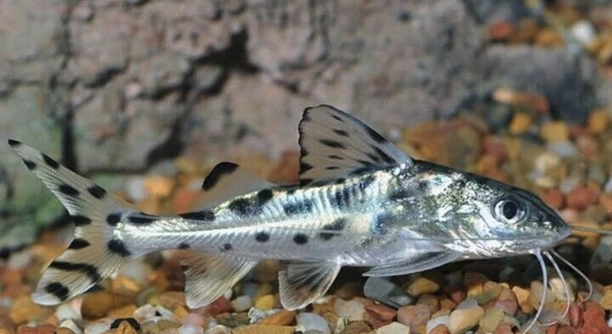
Have you ever noticed your pictus catfish acting oddly after being moved to a new tank, even just for cleaning or upgrades? Small changes in their environment can lead to unexpected behavior and stress.
Frequent relocation of pictus catfish can result in elevated stress levels, weakened immune responses, and disruptions in their feeding and activity patterns. These changes may increase susceptibility to illness and reduce overall quality of life in captivity.
Understanding how stability impacts your pictus catfish can help you make better care decisions and avoid common mistakes that harm their well-being.
Why Stability Matters for Pictus Catfish
Pictus catfish are sensitive to change. When moved too often, they may become anxious, which shows in their behavior—like hiding more, swimming erratically, or losing interest in food. These fish thrive in stable, consistent environments where they can explore and rest without disturbance. Even moving them between tanks for short periods can unsettle them. The constant change in water conditions, lighting, and surroundings can weaken their immune systems, making them more likely to get sick. Over time, this stress can lead to long-term health problems. While moving a fish occasionally is sometimes necessary, doing it often does more harm than good. It’s best to plan any changes carefully and keep their main home as steady as possible. Watching your pictus catfish remain active and healthy is easier when their space stays familiar. They rely on that comfort to stay balanced and calm.
Too many changes can also cause eating issues. A stressed fish may stop eating, which leads to weight loss and more serious health problems if not addressed quickly.
Even if your pictus catfish seems fine at first, repeated moves can affect their health quietly. Their immune system slowly wears down, and they may become more prone to infections or parasites. What looks like simple rehoming or tank cleaning might actually cause lasting effects. This is especially true if the new tank has different water chemistry or temperature. When fish experience too many sudden changes, their bodies can’t adapt fast enough. It’s important to let them adjust gradually when a move is needed. Use similar water parameters, avoid loud movements, and give them time to settle afterward. Watch their behavior for a few days and look for signs of stress. A settled fish will explore calmly and eat well. Making stability your top priority helps your pictus catfish stay active, eat properly, and avoid health issues over time.
How to Reduce Stress During Necessary Moves
If a move is absolutely needed, keep the process as gentle as possible. Avoid sudden netting or loud disturbances. Prepare the new tank ahead of time to match the old one closely.
Give your pictus catfish time to adjust slowly by floating them in a bag to equalize water temperatures. Use some water from their original tank to help keep conditions familiar. Keep lighting low and noise to a minimum for the first day or two after the move. It also helps to include decorations or hiding spots that were already in their original tank. This makes the new space feel less foreign. Feed them lightly and avoid overhandling. Pay attention to their activity levels, and if they seem withdrawn or stop eating, keep monitoring them closely. Stable water parameters, proper filtration, and a quiet area all contribute to a smoother recovery after the move. Always prioritize their comfort, and only move them when necessary.
Common Signs of Stress After a Move
After being moved, a pictus catfish might start hiding more, refuse to eat, or swim frantically. These changes usually show up within the first day and can last for several days if the fish doesn’t feel safe in its new surroundings.
Some pictus catfish may also lose their usual energy and become less responsive to feeding times. You might notice them sitting at the bottom of the tank more than usual, or they might avoid areas with light. Their colors can dull slightly, and they may become more sensitive to sudden movement. These behaviors are linked to their heightened stress levels as they try to adjust to new conditions. It’s important not to panic if you see this. Give them time to settle, keep the environment quiet, and make sure water quality remains steady. A calm setting helps them feel secure again more quickly.
In some cases, you might see physical signs, such as torn fins or pale patches, especially if the stress lasts more than a few days. Stress weakens their natural defenses, making it easier for bacteria or parasites to take hold. Even slight changes in behavior are worth watching closely. Avoid rearranging the tank or adding new fish during this adjustment period. The goal is to create a peaceful, predictable environment. If your pictus catfish continues to act differently for more than a week, it may be a sign that something in the tank needs to be corrected—like pH, temperature, or hiding options. Stress is not always obvious at first, so quiet observation can help you catch issues before they become serious.
Preventing Long-Term Harm
Long-term stress can make pictus catfish more likely to suffer from infections and internal issues. The longer they stay in a stressful state, the harder it is for them to bounce back to good health without extra care and stable conditions.
To prevent this, it’s important to treat each move as a serious event. Use a quarantine tank when needed, but make sure it mirrors the home tank’s conditions as closely as possible. Try not to move the fish more than necessary, and when you do, avoid changing multiple factors at once. For example, don’t upgrade the tank size and add new fish on the same day. Also, give your catfish familiar hiding spots and stable lighting. After a move, wait at least a few weeks before making any other changes. Watch for feeding issues, subtle signs of illness, or unusual movement. Taking a slow, careful approach helps keep your pictus catfish safe and healthy.
How Water Quality Affects Stress
Poor water quality increases stress in pictus catfish. High ammonia, nitrite, or nitrate levels can cause illness and discomfort quickly. Regular water tests and partial changes help keep these levels safe.
Stable water parameters make moving less harmful. Sudden shifts in pH or temperature add to stress and slow recovery.
Feeding Habits After Moving
Pictus catfish may eat less or skip meals after a move. This is normal for a short time but should improve within a few days. Offering small, frequent feedings encourages them to start eating again. Use high-quality, easily digestible food to support their health during this period.
Tank Setup and Stress
A well-decorated tank with hiding spots reduces stress. Plants, caves, or driftwood give your pictus catfish safe places to retreat after a move.
When to Seek Help
If your pictus catfish stops eating for more than a week or shows physical signs of illness, consult a vet or experienced fishkeeper immediately.
FAQ
How often can I safely move my pictus catfish?
Moving pictus catfish too often is not recommended because frequent changes cause stress and weaken their health. Ideally, moves should be kept to a minimum, such as only when necessary for tank maintenance, upgrades, or emergencies. If you must move them, allow at least several weeks of stability between relocations so the fish can recover fully and adjust comfortably.
What signs show my pictus catfish is stressed from moving?
Stress signs include hiding more than usual, swimming frantically or erratically, losing appetite, or becoming less active. You may also notice dull colors or the fish resting on the bottom of the tank. Physical signs like torn fins or pale patches can appear if stress continues for several days. Watching behavior closely after a move helps catch problems early.
How can I reduce stress when moving my pictus catfish?
Use a calm, gentle approach. Prepare the new tank first, matching water temperature and chemistry closely to the old tank. Float the fish in a bag to equalize temperatures before transferring. Avoid loud noises and bright lights during the process. Provide familiar hiding places and keep feeding light but frequent. Limit handling and give the fish time to settle without adding other changes or new fish.
What water parameters are best to prevent stress after moving?
Stable water conditions are key. Keep ammonia and nitrite at zero, nitrates low, pH steady (typically between 6.5 and 7.5), and temperature consistent (around 75-80°F or 24-27°C). Sudden shifts in any of these can increase stress or cause illness. Test water regularly and perform partial water changes to maintain these levels.
Why does my pictus catfish stop eating after a move?
Stress and unfamiliar surroundings often cause reduced appetite. It may take a few days for them to feel secure enough to eat normally. Offer small portions of high-quality food multiple times a day and avoid overfeeding. If appetite does not return within a week, check water conditions and look for illness.
Is it okay to keep multiple pictus catfish together when moving them?
Yes, pictus catfish are social and feel safer in groups of three or more. Moving them together can reduce stress compared to isolating one fish. However, ensure the tank is large enough and well-maintained. Watch for any signs of aggression or overcrowding after the move.
Can changing tank decorations reduce stress after moving?
Adding familiar decorations helps, but changing too many at once can increase stress. Keep some of their original hiding spots like caves or plants in the new tank to give a sense of familiarity. Gradually introduce new decor after the fish have settled.
How long does it take for a pictus catfish to recover from moving?
Most pictus catfish begin adjusting within a few days, but full recovery can take one to two weeks. During this time, keep the environment calm, stable, and free from additional stressors. Monitor behavior and feeding closely to ensure they are improving.
When should I worry about health issues after moving my pictus catfish?
If your fish stops eating for more than a week, shows physical damage, or acts lethargic and unresponsive, it’s time to seek advice from a vet or experienced fishkeeper. Early intervention can prevent serious health problems caused by prolonged stress.
Are there any special foods that help pictus catfish recover from stress?
High-quality, protein-rich foods like bloodworms or brine shrimp support recovery. Easily digestible pellets also work well. Feeding smaller amounts frequently encourages appetite without overwhelming their system. Avoid overfeeding as it can worsen water quality and add stress.
Does lighting affect stress during and after moving?
Bright lights can increase stress. Keep lighting low for a day or two after moving your pictus catfish. Gradually return to normal lighting as they settle. Providing shaded areas or floating plants can also help reduce stress by giving them places to hide from harsh light.
Can sudden temperature changes harm pictus catfish during a move?
Yes, rapid temperature shifts shock their system and increase stress. Always float the transport bag in the new tank to equalize temperatures before releasing your fish. Use a thermometer to check water temperature in both tanks and keep them as close as possible.
Is it better to move pictus catfish during the day or night?
Moving them during low-activity times, like early morning or evening, can reduce stress. They are less active and more likely to stay calm. Avoid moving fish during feeding times or when the tank is brightly lit to keep stress low.
Can stress from moving cause disease in pictus catfish?
Stress lowers their immune response, making them more vulnerable to bacterial or parasitic infections. Common issues include fin rot and ich. Maintaining clean water and stable conditions helps prevent illness after a move.
How can I make my pictus catfish feel secure in a new tank?
Provide plenty of hiding spots, keep water parameters steady, and minimize loud noises or sudden movements. Avoid adding new tank mates or making other changes until they have settled, which helps them regain confidence and reduce stress.
Moving pictus catfish too often can cause stress and harm their health. These fish do best in calm, stable environments where they feel safe and comfortable. Frequent changes in their tank, water, or surroundings can make them anxious, reduce their appetite, and weaken their immune system. It’s important to remember that even small moves, like transferring to a clean tank or rearranging decorations, can upset them. Keeping their home consistent helps them stay healthy and active.
When you do need to move your pictus catfish, it’s best to do so carefully and with a plan. Preparing the new tank with water that matches the original conditions makes a big difference. Moving the fish gently and avoiding loud noises or bright lights also helps lower their stress. After the move, giving them familiar hiding spots and quiet time to adjust supports their well-being. Watching how they behave and eat during this time is important to catch any signs of trouble early. A little patience can go a long way toward helping your fish settle in comfortably.
Taking good care of pictus catfish means understanding their needs and limits. They rely on stability in their environment to thrive, so minimizing unnecessary moves is key. Keeping water quality high, feeding them well, and providing places to hide are simple ways to reduce stress. When changes are unavoidable, thoughtful preparation and gentle handling are your best tools. With the right care, your pictus catfish can live a long, healthy life, happily exploring their tank without worry.

Hello,
If you enjoy the content that we create, please consider saying a "Thank You!" by leaving a tip.
Every little bit helps us continue crafting quality advice that supports the health, happiness, and well-being of pets around the world, for pets of all shapes, sizes, and species.
We really appreciate the kindness and support that you show us!