
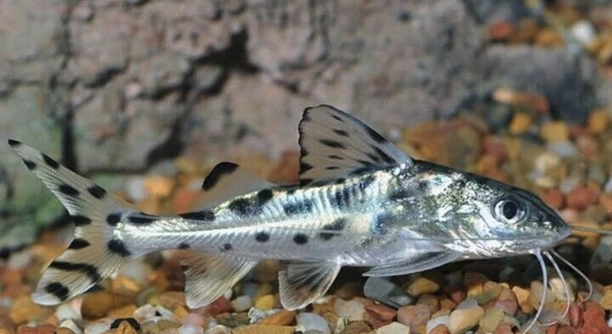
Many aquarium enthusiasts enjoy keeping pictus catfish for their lively behavior and schooling nature. These fish are known for their active swimming and need for stimulation during feeding times. Feeding rings have become a popular tool among fish keepers.
Pictus catfish can be trained to use feeding rings with patience and consistent feeding routines. They respond well to repeated exposure, learning to associate the ring with food, which helps reduce waste and maintain cleaner tanks.
Understanding this training method can improve your fish-keeping experience and promote healthier habits for your pictus catfish. The following sections explain the process and benefits in detail.
Why Use Feeding Rings for Pictus Catfish?
Feeding rings help keep food contained in one area, reducing waste and mess in the tank. Pictus catfish are active swimmers who often scatter food, which can lead to uneaten leftovers settling at the bottom. This leftover food can cause water quality problems if not managed properly. By using a feeding ring, fishkeepers can direct food to a specific spot, making it easier for pictus catfish to find and eat their meals. It also encourages them to gather and feed together, which can help strengthen their natural schooling behavior. Consistency in using the ring will gradually make pictus catfish recognize it as the place where food is given. This method supports a cleaner environment and reduces the time spent cleaning the tank. Feeding rings are a simple tool, but they can significantly improve feeding routines and overall tank maintenance.
Feeding rings are a practical way to feed pictus catfish while controlling food spread.
Training your pictus catfish to use feeding rings involves patience and routine. Start by placing the ring in the tank and dropping food inside it. At first, the fish might ignore the ring or eat outside it. Keep feeding the same way every day, allowing them to associate the ring with food. Using small amounts of food will help the fish focus on the ring. Over time, they will learn to swim directly to the ring for feeding. This training reduces waste and encourages social feeding. Additionally, using a feeding ring can make it easier to monitor the fish’s eating habits and health. Remember that consistency is key, and sudden changes may confuse the fish. With patience, pictus catfish will adapt well to this feeding method.
Tips for Successful Training with Feeding Rings
Patience and consistency are essential for success when training pictus catfish to use feeding rings. Frequent feeding at the same time and location helps reinforce their learning. Avoid overfeeding to keep the fish interested in the food within the ring.
To increase the chances of success, observe your fish closely during feedings. If they seem uninterested, try reducing food quantity or slightly changing the ring’s position. Make sure the feeding ring size fits your tank and fish comfortably. Keep the tank environment stable, as stress can interfere with training progress. Regular cleaning of the ring prevents buildup that could discourage feeding. Over time, your pictus catfish will accept the feeding ring as a natural part of their routine, promoting healthier habits and a cleaner tank environment.
Common Challenges When Training Pictus Catfish
Some pictus catfish may take longer to learn to use feeding rings due to their natural behavior. They are curious but can be cautious, especially in new tank setups or around unfamiliar objects. Patience is important during this process.
In some cases, pictus catfish may initially ignore the feeding ring or scatter food outside it. This is normal and usually improves with consistent feeding routines. Adjusting the position of the feeding ring can help. If the tank has multiple fish species, some may compete for food, making training slower. Avoid overfeeding, as excess food can reduce their interest in the ring. Consistency and a calm environment encourage better learning.
It’s also common for fish to be distracted by tank decorations or lighting. Minimize sudden changes or disturbances during feeding times. Gradually, pictus catfish will grow accustomed to the feeding ring and begin to feed exclusively from it. This promotes cleaner feeding habits and a tidier tank overall.
Benefits of Using Feeding Rings Beyond Training
Feeding rings offer more than just training advantages. They help reduce food waste, keeping water cleaner and lowering maintenance frequency. This is especially helpful in planted or community tanks.
By concentrating food in one area, feeding rings make it easier to monitor how much your pictus catfish are eating. This helps detect changes in appetite, which can indicate health issues early on. Additionally, feeding rings reduce the chances of leftover food sinking and decomposing, which can cause algae growth and poor water quality. Using a feeding ring can improve feeding efficiency, promoting a healthier environment for all tank inhabitants. This simple tool supports good fishkeeping practices without adding complexity to daily care routines.
Choosing the Right Feeding Ring
Feeding rings come in different sizes and materials. Choosing one that fits your tank and pictus catfish size is important for ease of use and effectiveness. Avoid rings that are too large or small.
Plastic feeding rings are common, but silicone rings are gentler on the tank glass and easier to clean. Consider your tank setup and fish behavior when selecting the best option.
How to Maintain Feeding Rings
Regular cleaning of feeding rings prevents food buildup and algae growth. Removing the ring briefly during water changes helps keep it clean. Avoid harsh chemicals to protect your fish.
Feeding Frequency Using Feeding Rings
Feeding pictus catfish twice daily is usually sufficient. Using the ring can help control portions and avoid overfeeding. Adjust feeding amounts based on fish activity and tank size.
Final Thoughts on Feeding Rings
Feeding rings can improve tank cleanliness and feeding habits. They require simple maintenance and consistent use for best results.
FAQ
Can pictus catfish learn to use feeding rings quickly?
The speed of learning varies depending on the individual fish and tank conditions. Some pictus catfish may start using the feeding ring within a few days, while others might take several weeks. Consistency in feeding times and placing food only inside the ring help speed up the process. Patience is important, as forcing the fish may cause stress and slow down progress. Regular observation allows you to adjust the feeding routine or ring placement if needed.
Is it necessary to use feeding rings for pictus catfish?
Using feeding rings is not mandatory but highly recommended. They help reduce food waste and keep the tank cleaner, which benefits water quality. Feeding rings also promote healthier feeding behavior by concentrating food in one area. Without a feeding ring, pictus catfish often scatter food, which can lead to leftover debris and algae growth. For those aiming for easier tank maintenance and monitoring feeding habits, feeding rings are a useful tool.
Will other fish in the tank interfere with pictus catfish using the feeding ring?
Tankmates can sometimes compete for food, which may affect training success. More aggressive or faster fish might eat food from the feeding ring before pictus catfish get to it. To avoid this, feeding rings can be placed in less crowded areas, or feed smaller amounts more frequently. Separating more aggressive feeders during training may also help. Observing feeding behavior helps determine if adjustments are necessary.
How do I clean feeding rings without harming my fish?
Remove the feeding ring during regular water changes and clean it with warm water and a soft sponge. Avoid soaps or chemical cleaners, as residues can harm fish. Cleaning regularly prevents algae buildup and food residue, keeping the ring effective. After cleaning, rinse thoroughly before placing it back in the tank.
Can feeding rings be used with live plants or decorations in the tank?
Yes, feeding rings can be used in planted or decorated tanks. Place the ring where it won’t damage plants or disturb the layout. It’s best to avoid placing it directly on delicate plants or near fragile decorations. Using feeding rings helps concentrate food, which reduces waste around plants and prevents them from decaying due to leftover food.
Will feeding rings stress pictus catfish?
Feeding rings themselves do not cause stress if introduced gradually. Sudden placement of unfamiliar objects can make fish cautious. Introducing the ring slowly and maintaining a calm feeding routine helps pictus catfish adjust without stress. If fish seem scared, try placing the ring in different spots or waiting a few days before feeding again.
What type of food works best with feeding rings?
Small pellets or flakes are best for feeding rings because they stay contained and are easy for pictus catfish to eat. Avoid large or floating foods that can easily escape the ring. Using sinking pellets encourages pictus catfish to feed naturally at the bottom where the ring is placed. Consistent food type helps reinforce feeding habits.
How often should I feed pictus catfish using feeding rings?
Feeding two times a day is usually enough to keep pictus catfish healthy. The feeding ring helps control portions and prevent overfeeding. Adjust the amount based on fish size, tank conditions, and activity level. Feeding too much can cause leftover food, which defeats the purpose of using a ring.
Can feeding rings help monitor fish health?
Yes, feeding rings make it easier to observe how much each fish eats. Changes in appetite or refusal to eat from the ring can indicate health issues. This focused feeding method allows for better tracking of individual fish behavior. Early detection of problems supports timely care.
Are there any disadvantages to using feeding rings?
Feeding rings require regular cleaning and some patience during training. In tanks with very active or aggressive fish, the rings might not always keep food contained. Also, if overused or cleaned poorly, feeding rings can collect algae or debris. Proper maintenance and observation help avoid these issues.
Can feeding rings be used for other catfish species?
Yes, feeding rings work well with other bottom-dwelling catfish that benefit from concentrated feeding areas. Species like corydoras and some plecos can also be trained to use feeding rings, improving feeding efficiency and tank cleanliness. Adjust size and placement based on the species’ habits.
How do I know if my pictus catfish is ready to use the feeding ring?
Signs include the fish exploring the ring area during feeding and focusing on food inside it. They may start ignoring food outside the ring and gather around it during feeding times. Readiness improves with consistent routine and minimal distractions.
What if pictus catfish don’t use the feeding ring at all?
If they do not use the ring after several weeks, try changing its location or reducing the amount of food outside the ring. Check for tank stressors like water quality or tankmates interfering. Sometimes, removing other food sources outside the ring helps reinforce training.
Can feeding rings help prevent overeating?
Feeding rings do not directly limit eating, but by controlling portion placement, they reduce food waste and discourage constant grazing. Proper feeding schedules and amounts are still necessary to prevent overeating.
Is there a preferred material for feeding rings?
Silicone and soft plastic rings are preferred because they are less likely to scratch the tank and are easy to clean. Some prefer clear rings to blend with the tank, while others use brightly colored ones to attract fish attention. Choose based on tank style and personal preference.
How long does it take to train pictus catfish to use feeding rings?
Training time varies but generally takes two to four weeks with daily consistent feeding. Patience and routine help build the association between the ring and food. Avoid rushing the process to prevent stress or confusion.
Can feeding rings improve water quality?
By limiting scattered food, feeding rings reduce leftover debris that decomposes and pollutes water. This helps maintain better water quality and reduces the frequency of cleaning and water changes.
Are feeding rings suitable for small or large tanks?
Feeding rings work well in both small and large tanks. Select the appropriate size and place them where pictus catfish can easily access them. Large tanks may benefit from multiple rings to accommodate schooling behavior.
Do feeding rings affect the natural behavior of pictus catfish?
Feeding rings promote natural foraging by concentrating food, but they don’t alter typical behaviors like swimming or hiding. They simply provide a controlled feeding environment without limiting movement.
What is the best way to introduce a feeding ring to a new tank?
Add the feeding ring after the tank has settled, ideally during feeding times. Place it gently in a spot visible to the fish and offer food only inside it. Maintain feeding consistency to help fish accept the ring as part of their routine.
Using feeding rings with pictus catfish can be a helpful addition to regular tank care. These rings make feeding more organized and reduce the amount of leftover food that can dirty the tank. When food stays contained within the ring, it is easier for the fish to find and eat it, which helps prevent waste. This also supports better water quality by limiting food debris that can cause pollution or algae growth. For anyone keeping pictus catfish, feeding rings offer a simple way to improve feeding habits and tank cleanliness without much extra effort.
Training pictus catfish to use feeding rings takes time and patience. It is important to feed them consistently in the same place and only inside the ring. The fish will gradually learn to associate the ring with food, even if they are cautious at first. Avoid sudden changes during training to reduce stress. Watching the fish closely during feedings helps you see when they are getting comfortable with the ring. Over a few weeks, most pictus catfish will adapt to this feeding method, which benefits both the fish and the keeper. The process is straightforward but requires calm and steady care.
Feeding rings also help monitor the health and appetite of pictus catfish. Since the food is focused in one spot, it is easier to notice changes in eating behavior, which can signal health problems early. Regular cleaning of the feeding ring keeps it effective and safe for the fish. Choosing the right size and material for your tank setup makes a difference in how well the ring works. Overall, feeding rings provide a practical way to support good feeding routines, reduce waste, and maintain a cleaner tank environment. With patience and consistency, feeding rings can become a valuable part of caring for pictus catfish.

Hello,
If you enjoy the content that we create, please consider saying a "Thank You!" by leaving a tip.
Every little bit helps us continue crafting quality advice that supports the health, happiness, and well-being of pets around the world, for pets of all shapes, sizes, and species.
We really appreciate the kindness and support that you show us!