
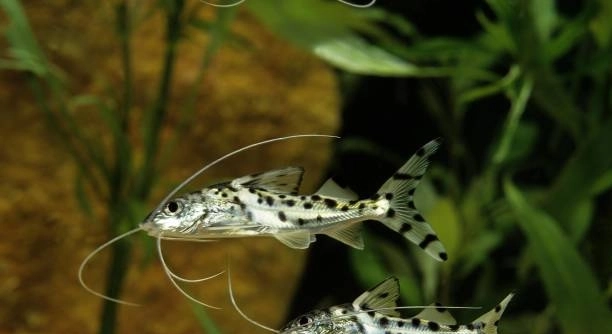
Pictus catfish are popular freshwater fish known for their active and social nature. Many owners notice unique behaviors that can be puzzling at first. Understanding these behaviors helps create a better environment for these lively fish.
Pictus catfish display schooling behavior, nocturnal activity, and use their barbels to explore. Their social nature means they thrive in groups, and their activity patterns often peak during the night, making their behavior distinct from many other aquarium fish.
Knowing these key traits will help you better care for your catfish and recognize what is normal in their daily habits. This insight supports a healthier, happier aquatic community in your tank.
Why Do Pictus Catfish School Together?
Pictus catfish naturally gather in groups, which helps them feel safer and more comfortable. In the wild, schooling protects them from predators by creating confusion and making it harder to be singled out. In an aquarium, schooling reduces stress and encourages natural behavior. When kept alone, they may become shy or hide more often. Groups of at least five are recommended to allow proper social interaction. Watching them swim together is not only interesting but also a sign that they are healthy and content. It’s important to provide enough space in the tank for schooling behavior to develop fully. This also means maintaining water quality and tank conditions to support their active lifestyle. By replicating their natural tendency to school, owners help promote better overall well-being for their catfish.
Schooling in groups of five or more keeps pictus catfish active and less stressed, improving their health and behavior.
A tank set up with multiple catfish encourages natural swimming patterns and reduces fear. Providing hiding spots and open swimming areas allows them to feel secure yet free to explore. This balance is essential for their happiness.
What Do Pictus Catfish Eat in Captivity?
Pictus catfish are omnivores with a diet that includes both animal and plant matter. In captivity, they thrive on a varied diet consisting of sinking pellets, live or frozen foods like bloodworms and brine shrimp, and occasional vegetable matter such as blanched zucchini or peas. Their barbels help them detect food on the substrate, so feeding sinking foods ensures they can find and eat comfortably. It’s important to feed them in moderation to prevent overfeeding and maintain water quality. Consistent feeding times create a routine that the fish can anticipate, reducing stress. A balanced diet supports their energy needs and keeps their coloration vibrant, especially since they are quite active and expend a lot of energy swimming.
Offering a variety of sinking pellets, live foods, and vegetables keeps their diet balanced and supports natural feeding behavior.
Regularly changing the diet prevents nutritional gaps and keeps pictus catfish interested in their meals. Supplementing with live or frozen foods mimics their wild diet, promoting good health and activity levels. Avoiding overfeeding prevents excess waste that can harm water conditions. A well-fed pictus catfish is more likely to display typical behaviors such as schooling, exploring, and resting comfortably in the tank. Observing their eating habits can also help owners detect early signs of illness or stress, allowing for timely care.
How Do Pictus Catfish Communicate?
Pictus catfish use body movements and barbels to communicate. They signal social status and alert others to food or danger.
Body language is subtle but important for their social interactions. When they swim closely together or gently bump each other, it shows bonding or establishing hierarchy. Their barbels, which are sensitive whisker-like organs, help them explore and detect changes in their environment. Flicking or touching with barbels can be a way to interact with tank mates. These signals help maintain order and reduce aggression within the group. Recognizing these behaviors can help owners understand how their catfish relate to each other and adjust tank conditions accordingly.
Communication through movement and barbels supports their social needs and overall wellbeing. Observing these signs helps ensure a harmonious aquarium environment.
Why Are Pictus Catfish More Active at Night?
Pictus catfish are naturally nocturnal, meaning they are more active during the night. This behavior helps them avoid daytime predators in the wild. Their eyesight is adapted to low light, making them more comfortable and confident in dim or dark conditions. In an aquarium, they often rest or hide during the day and become lively once the lights go off. Providing shaded areas and hiding spots encourages this natural rhythm. Nighttime activity includes foraging, swimming, and socializing within the group. Owners often notice more playful and exploratory behavior after lights out. Respecting their nocturnal habits helps maintain their health and reduces stress.
Their night activity aligns with their natural instincts, promoting healthy movement and social interaction when the tank is quiet and dark.
Supporting this behavior means maintaining a consistent light schedule and ensuring the tank offers safe hiding places. This allows the catfish to follow their internal clock comfortably, improving their overall happiness and longevity in captivity.
Do Pictus Catfish Dig in the Substrate?
Pictus catfish often dig and sift through the substrate. This behavior helps them find food particles hidden in the gravel or sand.
Digging also keeps their barbels clean and sensitive, which is important for navigation and feeding in their environment.
How Much Space Do Pictus Catfish Need?
Pictus catfish are active swimmers and require ample space to move freely. A tank of at least 55 gallons is recommended for a small group. This size accommodates their schooling behavior and allows room for hiding spots. Overcrowding can cause stress and aggression, so maintaining proper stocking levels is essential for their health and well-being.
Can Pictus Catfish Live with Other Fish?
Yes, pictus catfish generally coexist peacefully with other community fish. They prefer tank mates that are not overly aggressive or territorial. Choosing compatible species helps reduce stress and encourages natural behavior. Their active nature fits well with similarly sized, non-aggressive fish.
What Causes Pictus Catfish to Hide?
Hiding is a common response to stress, bright light, or poor water conditions. Providing hiding spots helps them feel safe.
FAQ
Why do pictus catfish flick their barbels?
Flicking barbels is a natural behavior used to explore their surroundings. These whisker-like organs help them sense food and detect changes in water currents. When you see flicking, it means the catfish are actively searching or communicating with tank mates.
Are pictus catfish aggressive toward other fish?
Pictus catfish are generally peaceful but can show mild territorial behavior within their group. They rarely attack other fish but might chase smaller or slower tank mates if stressed. Keeping them in groups and providing enough space helps minimize aggression.
How often should I feed my pictus catfish?
Feeding them once or twice daily with sinking pellets and occasional live foods works well. Overfeeding can lead to water quality problems, so offer only what they can eat within a few minutes. A balanced feeding schedule supports their health.
Do pictus catfish need a filter with strong water flow?
They prefer moderate to strong water flow since it mimics their natural river habitat. Good filtration also helps maintain water quality, which is critical for their sensitive barbels. However, avoid excessively strong currents that might tire them.
What temperature is best for pictus catfish?
They thrive between 72°F and 79°F (22°C to 26°C). Stable temperatures within this range help keep them active and healthy. Sudden temperature changes can cause stress or illness.
Can pictus catfish jump out of the tank?
Yes, they are known to jump, especially if startled or in poor conditions. A secure lid or cover on the aquarium is essential to prevent escapes and injuries.
How do pictus catfish breathe?
They breathe through their gills like most fish but also rely on well-oxygenated water. Proper aeration and filtration ensure enough oxygen is available in the tank, supporting their energetic behavior.
Why do pictus catfish sometimes swim upside down?
Swimming upside down is unusual but can happen when exploring or if water quality is poor. Consistently seeing this behavior may signal stress or illness, so testing water parameters is important.
Are pictus catfish good for beginner fishkeepers?
They are moderately easy to care for but need specific tank conditions like proper schooling, clean water, and enough space. Beginners willing to maintain these factors can successfully keep pictus catfish.
How can I tell if my pictus catfish is healthy?
Healthy catfish are active, have clear eyes, smooth fins, and regularly feed. Dull coloration, lethargy, or hiding may indicate stress or illness requiring attention.
Do pictus catfish require special decorations?
They appreciate hiding spots such as caves or plants to feel secure. Smooth substrate prevents damage to their barbels. Avoid sharp objects that could harm them during digging or swimming.
Can pictus catfish tolerate brackish water?
They are freshwater fish and do not tolerate brackish or salty water. Keeping them in pure freshwater with stable parameters is essential for their well-being.
How long do pictus catfish typically live?
With proper care, they can live 8 to 10 years in captivity. Good diet, tank conditions, and social environment contribute to their lifespan.
Do pictus catfish change color?
Their spots and body color can darken or lighten slightly based on stress, lighting, or health. Bright, consistent coloration usually indicates a healthy fish.
Is it normal for pictus catfish to rest during the day?
Yes, they are more active at night and often rest or hide during daylight hours. Providing shaded areas supports this natural behavior.
What water parameters should I monitor for pictus catfish?
Maintain pH between 6.5 and 7.5, temperature between 72°F and 79°F, and low ammonia and nitrite levels. Regular testing keeps water safe and healthy.
Can pictus catfish recognize their owners?
While they don’t recognize people like pets do, they learn feeding routines and may become less shy over time. Their curiosity often shows when the tank is approached.
What is the best way to introduce pictus catfish to a new tank?
Acclimate them slowly by floating the bag and gradually mixing tank water into it. This reduces shock from water parameter differences and helps them settle comfortably.
Do pictus catfish need to be kept in groups?
Yes, they are social and thrive in groups of five or more. Keeping them alone can cause stress and unusual behavior.
How do I prevent diseases in pictus catfish?
Regular water changes, avoiding overfeeding, and quarantining new fish help prevent infections. Observing behavior daily aids in early detection of illness.
Can pictus catfish live with shrimp or snails?
They may eat small shrimp but usually ignore snails. Compatibility depends on species size and behavior, so monitor interactions carefully.
These answers cover common concerns and help ensure pictus catfish remain healthy and active in the home aquarium.
Pictus catfish are lively and interesting fish that add activity and character to a freshwater tank. Understanding their behavior helps create the right environment for them to thrive. They are social creatures who prefer to live in groups, so keeping several together is important for their well-being. Their natural habits, such as digging in the substrate, schooling, and being more active at night, are part of what makes them unique. Recognizing these behaviors allows owners to provide proper care and a comfortable habitat. Offering hiding spots and maintaining good water quality supports their health and reduces stress.
Feeding pictus catfish a balanced diet that includes sinking pellets, live or frozen foods, and occasional vegetables keeps them strong and colorful. Their barbels play a key role in finding food and exploring the tank, so avoiding sharp decorations and rough substrates helps protect these sensitive organs. Proper tank size and good filtration also contribute to a healthy environment where they can swim freely and interact naturally. Being aware of their natural nocturnal activity means giving them places to rest during the day and enough space to be active when the lights go off. All these factors combined help pictus catfish live a longer, happier life in captivity.
Taking care of pictus catfish requires attention to their social needs, tank conditions, and diet. Observing their behavior daily is a useful way to spot any changes that may indicate stress or illness early on. Although they are generally hardy fish, poor water quality or improper care can lead to problems. A steady routine with consistent feeding, regular water testing, and tank maintenance ensures a stable and healthy environment. Pictus catfish may not be the easiest fish to care for, but with patience and knowledge, they can become a rewarding part of an aquarium community. Their lively nature and unique behaviors make them an enjoyable species for fishkeepers willing to meet their specific needs.

Hello,
If you enjoy the content that we create, please consider saying a "Thank You!" by leaving a tip.
Every little bit helps us continue crafting quality advice that supports the health, happiness, and well-being of pets around the world, for pets of all shapes, sizes, and species.
We really appreciate the kindness and support that you show us!