
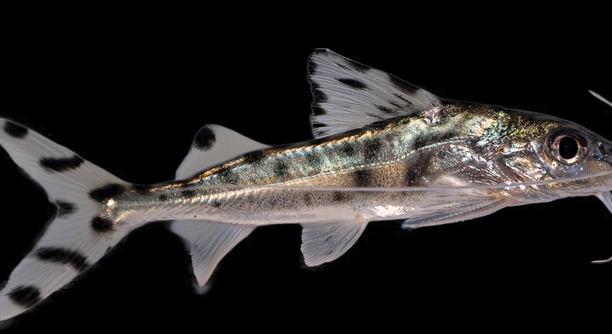
Have you ever noticed your pictus catfish darting around the tank and wondered if something as simple as a reflection might be to blame? Their skittish behavior can sometimes leave fish owners feeling confused.
Pictus catfish can be startled by reflections due to their sensitivity to sudden changes in light and movement. The appearance of their own image or flashes of light on the glass can trigger a startle response or hiding behavior.
Understanding how reflections affect your pictus catfish can help you create a more calming and secure environment for your pet.
Why Reflections Startle Pictus Catfish
Reflections can confuse pictus catfish because they are naturally alert and responsive to quick movements in their surroundings. In an aquarium, glass walls can act like mirrors, especially under certain lighting conditions. This causes their own image to appear as if another fish is nearby. Since pictus catfish are fast swimmers and can be territorial or shy, they may react quickly to what they believe is an intruder. The stress from repeated startling can affect their eating habits and overall health. Even subtle changes in light or movement from nearby rooms can trigger this reaction if the glass reflects it in a certain way. A calm, stable environment is better suited for their well-being. Reducing reflective surfaces or adjusting the light near the tank can help prevent these incidents. Keeping their surroundings predictable allows them to settle down and feel safer in their space.
Reflections don’t always appear obvious to us, but your fish sees them differently. They respond to movement, light, and shapes we might miss.
Small adjustments like dimming lights or adding a background to the tank can make a big difference. Calmer conditions help reduce stress and let your fish behave more naturally.
How to Reduce Reflections in Your Tank
Start by placing your tank in a space that doesn’t receive too much direct sunlight or harsh overhead lighting. Bright light bouncing off glass creates moving reflections that make your pictus catfish uneasy. You can also add a solid background to the tank using aquarium-safe materials or vinyl sheets. This helps block outside movement and reduces internal reflections. Keeping the back and sides of the tank darker allows your fish to feel more secure. Position the tank away from TVs, windows, or mirrors that create constant motion. Even your own movement near the tank can reflect off the glass and disturb the fish. A soft aquarium light with low brightness or an adjustable dimmer setting can reduce visual stress. Consider adding plants or driftwood to block areas where reflections might show up. These simple changes keep your pictus catfish calmer, helping them feel at home and less likely to hide or dart around.
Behavioral Signs Your Pictus Catfish Is Startled
Startled pictus catfish may dash around the tank quickly, often bumping into objects or glass. They might hide suddenly under decorations or stay still for long periods after reacting to a reflection or sudden light shift.
You may also notice them swimming erratically near the tank walls, especially where light reflections appear. This behavior can look like pacing or repetitive movement in one area. Over time, if they remain startled often, they may begin to eat less or stay hidden during times they would usually be active. These changes can indicate discomfort or stress caused by their surroundings. Pay attention to any increase in hiding, sudden movement, or clumsy swimming. These are signs your fish feels unsafe and could be reacting to reflections or disturbances outside the tank.
Consistency in their behavior is a good sign, while sudden shifts in activity levels often mean something in their space is upsetting them. If your pictus catfish suddenly becomes reclusive, more active at odd hours, or easily startled by routine activities, it’s worth reassessing the environment. Light placement, tank position, or nearby electronics can all affect how the fish perceives its space. These behaviors often improve once the source of disturbance is removed or reduced.
Creating a Calmer Environment
Adding more plants, hiding spots, and soft decorations gives your pictus catfish places to feel safe. Use items that break up open areas of the tank so they have cover and feel less exposed to movement.
Try using darker-colored substrates and solid backdrops to minimize bouncing light. Avoid placing the tank near bright windows or high-traffic areas where sudden shadows or movement might reflect onto the glass. Installing a dim, adjustable aquarium light helps you control brightness throughout the day. Floating plants can also reduce direct light and add visual cover. Keep the room lighting consistent, especially during times when your fish is most active. If needed, use curtains or blinds to limit natural light. Stable water conditions, a quiet setup, and regular tank maintenance also contribute to lowering stress. These adjustments help your pictus catfish feel more secure and less reactive to confusing visual triggers in its tank.
Best Lighting Conditions for Pictus Catfish
Soft, indirect lighting is ideal for pictus catfish. Bright or flickering lights can startle them easily, especially in tanks with reflective glass. Use a dimmable light or choose a low-wattage fixture designed for freshwater tanks.
Avoid sudden changes in lighting, like switching the tank light on abruptly. Instead, ease the light in gradually to reduce stress. Keeping the tank in a naturally shaded room also helps regulate brightness throughout the day.
Importance of Routine and Stability
Pictus catfish do best in a stable, predictable environment. Sudden changes to their tank—whether in lighting, layout, or noise—can trigger stress and startled behavior. Try to maintain a routine for feeding and cleaning. Avoid rearranging tank decorations often. Stability helps your fish feel safe. This also includes keeping water parameters steady. Test your water regularly and keep the temperature within the recommended range. If you need to clean the tank or adjust decor, make changes slowly. A calm setup with minimal changes helps your pictus catfish settle into its space and react less to small visual disruptions, including reflections.
When to Be Concerned
If your pictus catfish shows frequent signs of stress despite adjustments, monitor its eating habits and swimming behavior. Ongoing distress could lead to illness, so keep an eye out for visible injuries or signs of infection.
FAQ
Can pictus catfish see their reflection clearly?
Pictus catfish have good vision and can detect reflections in the tank glass. However, they do not recognize these images as themselves. Instead, they often interpret reflections as other fish or movement, which can cause confusion or a startle response.
Why do pictus catfish dart suddenly in the tank?
Sudden darting is a natural reaction to perceived threats. Reflections or quick changes in lighting can mimic the movement of predators or rivals. This causes the fish to swim rapidly to find shelter or escape what they believe is danger.
Will constant reflections harm my pictus catfish?
Repeated exposure to reflections that startle your fish can increase stress levels. Long-term stress weakens their immune system and can affect appetite, growth, and overall health. Reducing reflections helps maintain a calmer and healthier environment.
How can I test if reflections are bothering my fish?
Observe your pictus catfish during different times of the day and under varied lighting conditions. If they show more skittish behavior near reflective surfaces or when lights change, reflections are likely causing stress. Adjust lighting and tank placement to see if behavior improves.
Are there specific tank setups that reduce reflections?
Yes. Tanks with dark or solid-colored backgrounds minimize reflections. Using natural decorations like plants, rocks, or driftwood can break up reflective surfaces inside the tank. Positioning the aquarium away from windows or bright lights also helps.
Can pictus catfish become accustomed to reflections?
Some fish may become less reactive over time, but this depends on the individual and the severity of the reflections. Continuous stressful reflections may not allow them to fully adapt. Minimizing reflection sources is the best approach for their comfort.
Does the size of the tank affect how reflections impact pictus catfish?
Tank size can influence reflection effects. Smaller tanks with more glass surfaces may create more noticeable reflections. Larger tanks with varied decorations and open space help diffuse light, reducing startling reflections.
Are pictus catfish more sensitive to reflections than other fish?
Pictus catfish are generally more sensitive to sudden movements and changes in light due to their natural behavior. While many fish can react to reflections, pictus catfish often show more pronounced startle responses.
Can reflections cause aggressive behavior in pictus catfish?
Yes. If a pictus catfish perceives its reflection as a rival, it may display territorial or aggressive behavior toward the “intruder.” This can lead to stress or injury if they constantly attempt to confront their reflection.
What lighting type is best to reduce reflections in the tank?
LED lights with adjustable brightness work well. Avoid bright fluorescent lighting that causes glare and flickering. Using soft, diffuse light reduces sharp reflections and creates a stable environment for your pictus catfish.
Are reflective tank decorations a problem?
Highly reflective decorations, like glass or shiny rocks, can increase reflections inside the tank. Choosing matte or natural-looking decor helps reduce this effect and creates a more comfortable space for your fish.
Can reflections affect breeding behavior in pictus catfish?
Stress from reflections can interfere with breeding behavior. A calm environment with minimal reflections supports natural courtship and spawning activities. Reducing visual disturbances helps pictus catfish focus on breeding.
How often should I check the tank for reflection issues?
Regularly observe your fish’s behavior and the tank environment. Changes in lighting, room setup, or tank maintenance can introduce new reflections. Monitoring frequently allows you to address problems before they affect your fish’s well-being.
Is it necessary to cover the tank at night?
Covering the tank or turning off aquarium lights at night helps maintain a natural day-night cycle. This prevents reflections caused by room lights and reduces stress for pictus catfish during resting hours.
Do other fish in the tank get startled by reflections too?
Many fish species can be startled by reflections or sudden light changes. However, the sensitivity varies. Pictus catfish tend to react more strongly, but other species might also show signs of stress if reflections are constant.
Can aquariums with curved glass cause more reflections?
Curved glass can sometimes distort light and images, creating unusual reflections. This might increase startle responses. Flat glass tanks usually provide a clearer, more consistent view without confusing reflections.
Should I use a tank background to reduce reflections?
Yes, a solid or dark background minimizes reflections by absorbing light rather than reflecting it. This reduces visual disturbances and makes your pictus catfish feel more secure.
What role does water clarity play in reflections?
Clear water can make reflections sharper and more visible, increasing the chance of startling your fish. Keeping water clean is important, but balancing lighting and tank setup to reduce reflections is key.
Can placing the tank in a low-traffic area help?
Yes, placing the aquarium in a quiet, low-traffic area reduces sudden shadows and movements outside the tank. This decreases reflections caused by external activity and helps your pictus catfish stay calm.
Is it normal for pictus catfish to hide after seeing a reflection?
Hiding is a common response to feeling threatened. Reflections can make them believe there is an intruder, so they seek shelter. Providing enough hiding spots supports their natural behavior and reduces stress.
Reflections in an aquarium can cause unexpected reactions from pictus catfish. These fish are naturally sensitive to sudden movements and changes in their environment. When they see their own image or light bouncing off the glass, it can confuse or startle them. This reaction is normal but can become a problem if it happens too often. Frequent startling may lead to stress, which affects their health and behavior. Understanding how reflections influence your pictus catfish is important for providing a comfortable home. Taking steps to reduce reflections will help your fish feel safer and less anxious.
Creating a calm environment is key to helping pictus catfish thrive. Adjusting the lighting, adding plants or decorations, and choosing a tank location carefully can reduce reflections. Solid backgrounds and dimmable lights prevent harsh glares that confuse fish. It is also helpful to maintain a stable routine with consistent feeding and minimal changes in tank setup. These actions not only lower stress but also encourage natural behavior and activity. When fish feel secure, they are less likely to dart around or hide. Regular observation of your pictus catfish helps you spot any changes in behavior that might mean reflections or other factors are causing discomfort.
Finally, patience is necessary when making these changes. Pictus catfish may take some time to adjust to a new environment or reduced reflections. Not all fish respond the same way, so watch your fish closely and keep improving their surroundings as needed. Remember, a peaceful aquarium is better for both the fish and the owner. Reducing visual disturbances like reflections helps pictus catfish live healthier, happier lives. Focusing on simple adjustments can make a big difference in their comfort and well-being over time.

Hello,
If you enjoy the content that we create, please consider saying a "Thank You!" by leaving a tip.
Every little bit helps us continue crafting quality advice that supports the health, happiness, and well-being of pets around the world, for pets of all shapes, sizes, and species.
We really appreciate the kindness and support that you show us!